Burundi is experiencing a reported increase in drug use among its youth, prompting concerns among authorities and community leaders. The surge in substance abuse has become a growing challenge across the country, particularly affecting younger demographics. This development has led to increased efforts by local organizations to address the issue and provide support to affected individuals. The nation is indeed seeing a noticeable rise in the use of various illicit drugs, a trend that is alarming public health officials and social welfare advocates alike. This escalating problem shows the urgent need for full intervention strategies and strong support systems to safeguard the future of Burundi's young generation.
The Growing Crisis
Drug abuse among youth in Burundi is linked to a range of severe health consequences, according to reports. The impact extends across both physical and mental well-being, presenting complex challenges for individuals and the healthcare system. Physical health effects include an increased risk of cardiovascular diseases, which can lead to long-term heart problems and even premature death. Additionally, the misuse of substances significantly elevates the risk of contracting sexually transmitted infections due to impaired judgment and risky behaviors. Respiratory diseases are also a common outcome, often exacerbated by the methods of drug consumption. The consumption of illicit substances also contributes significantly to mental health challenges. These can manifest as severe and debilitating disorders such as depression, characterized by persistent sadness and loss of interest, and anxiety, which involves excessive worry and fear. More profoundly, drug abuse can trigger or worsen conditions like schizophrenia, a chronic mental disorder that affects how a person thinks, feels, and behaves, and bipolar disorder, which causes unusual shifts in mood, energy, activity levels, and concentration. These profound mental health issues further complicate the lives of affected individuals and their families, often requiring extensive and long-term therapeutic interventions.
Hope and Recovery at Strong Bridge
The Strong Bridge centre in Bujumbura opened its doors in 2021, establishing itself as a key resource in the fight against youth substance abuse. The facility offers key support and rehabilitation services to young people grappling with drug addiction, providing a safe and structured environment for recovery. Its programs are designed to address not only the addiction itself but also the underlying causes and contributing factors. In addition to its direct intervention through rehabilitation, the centre proactively conducts vital awareness campaigns within schools. These campaigns are a cornerstone of their prevention efforts, aiming to educate students about the dangers of drug use, illustrating the severe physical and mental health risks associated with substance abuse. Through these educational initiatives, Strong Bridge strives to promote healthy life choices, empowering young people to make informed decisions. The campaigns also provide essential information on available support systems, ensuring that students know where to turn if they or someone they know needs help, thereby seeking to prevent addiction before it takes hold among the youth population.
Voices of Change
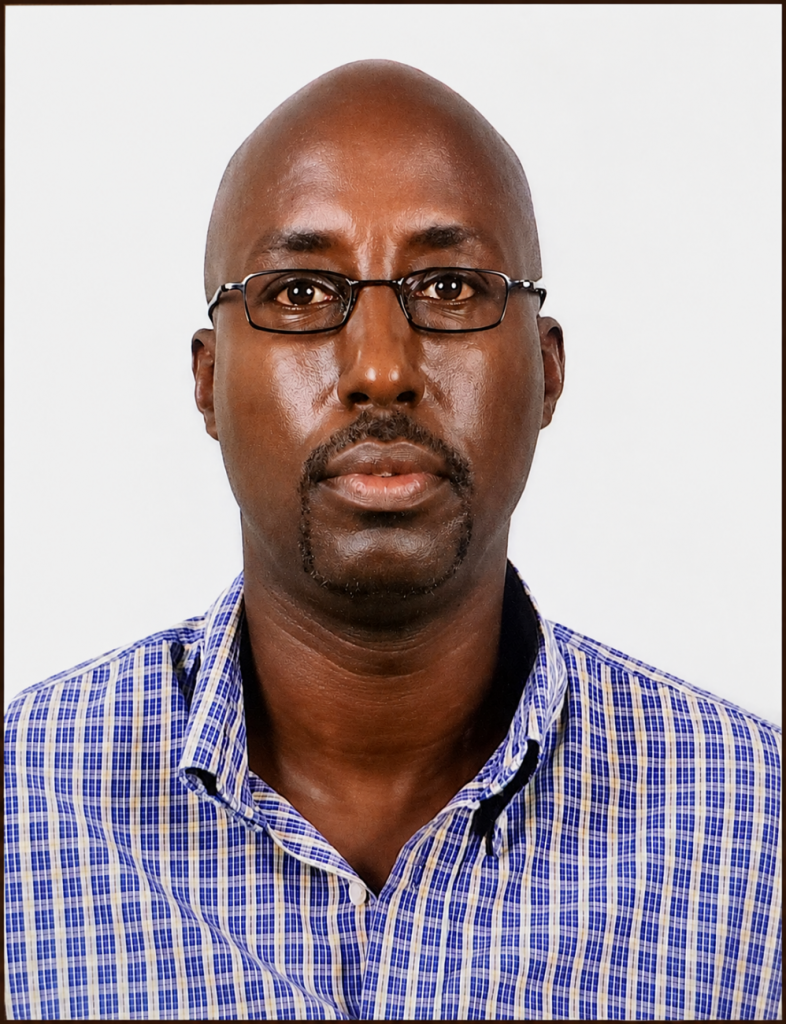
More than 900 youngsters have passed through the Strong Bridge centre over the past five years, benefiting from its full programs. This significant number notes the centre's widespread impact and the critical need it addresses within the community. Among those who have experienced rehabilitation and are now contributing to the centre's mission is Landry Buroze. A former addict himself, Mr. Buroze's journey from struggle to empowerment serves as a powerful testament to the effectiveness of the centre's approach. Today, Mr. Buroze currently teaches computer skills to individuals undergoing treatment at Strong Bridge. This role not only provides practical skills to the beneficiaries but also offers them a tangible example of successful recovery and reintegration into society. He shared his perspective on his recovery, stating, "Today I have hope, I have a vision. I see that tomorrow, that the future will be better. Now I can see that I, too, can have a family and make plans for myself." His words resonate deeply with those still in the throes of addiction, offering a beacon of hope and demonstrating that a fulfilling life after addiction is not only possible but achievable. His role at the centre notes the immense potential for former beneficiaries to become agents of positive change for others, fostering a cycle of recovery and support within the community.