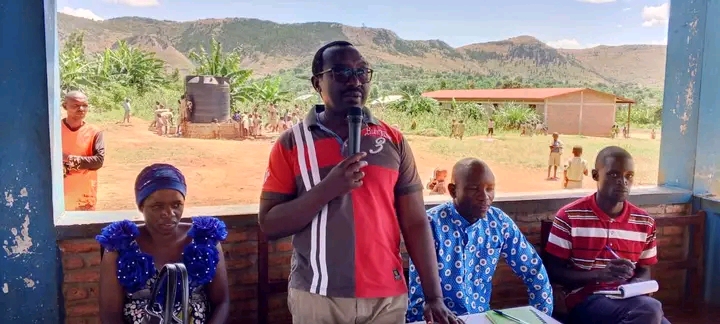
Butaganzwa Commune Administrator Onésime Ngendandumwe announced new household and marriage requirements during a visit to the hills of Rutimbura and Kazimya on Wednesday, May 13, 2026. The new directives, which Ngendandumwe stated reflect recommendations from the President of the Republic made during a May 7, 2026 meeting in Muyinga, mandate that no straw-thatched houses should remain in the commune by 2030. This ambitious target shows a broader initiative to modernize living standards across Butaganzwa commune. Young men seeking to marry must possess a tin-roofed house, a mattress, land, ten avocado trees, or thirty coffee trees to receive administrative authorization. These specific criteria are designed to ensure economic stability for new families. Hill chiefs are responsible for verifying these conditions before approving marriages, adding a layer of local oversight to the process. The implementation of these rules is expected to significantly impact residents' planning for both housing and family formation.
New Standards for Residents
The administrator, Onésime Ngendandumwe, also visited agri-livestock farmer Pierre Claver Ndaboroheye, who practices modern farming methods for chickens, pigs, and goats. This visit noted successful agricultural practices within the commune, potentially serving as a model for other farmers. During the visit, merchants were instructed to cease the sale of highly alcoholic beverages in plastic bottles, specifically mentioning 'KIKI', due to their reported harmful health effects. This measure aims to protect public health and reduce the availability of potentially dangerous substances. Additionally, information was provided regarding the availability of proximity courts, ranging from zones to the commune level, which are established to assist residents with land registration processes. This initiative aims to streamline the procedures for securing land ownership within Butaganzwa commune, making legal assistance more accessible to the local population. The establishment of these courts is a critical step in formalizing land rights and reducing disputes.
Community Development Efforts
Fidès Ndayisaba, the head of Kazimya hill, demonstrated community development initiatives by showing Administrator Onésime Ngendandumwe a bridge constructed by residents. This infrastructure connects Kazimya hill to Ruyigi hill, located in the neighboring Ruyigi commune. The bridge represents a local effort to improve connectivity between the two areas, facilitating movement and trade for residents. Such community-led projects are vital for local infrastructure development. Following this visit, the commune administrator's next field visit is planned for Nyarurambi hill, which is situated in the Muriza zone. These visits are part of ongoing efforts to monitor various projects and engage with local communities within Butaganzwa commune, ensuring that administrative directives are understood and implemented at the grassroots level. The direct engagement with residents and local leaders is a key component of the administration's strategy for progress.
Administrator's Vision
Butaganzwa commune has committed to supplying cement to facilitate the completion of the Kazimya hill office. This initiative aims to assist in the finalization of local administrative infrastructure, providing a proper facility for local governance and services. Concurrently, an announcement was made setting a two-month deadline for all inhabitants to register their land with the land service. This measure seeks to formalize land ownership records across the commune, providing legal certainty for landowners and contributing to organized development. The directive is part of broader efforts by Administrator Onésime Ngendandumwe to implement new standards and enhance administrative processes within Butaganzwa. The land registration requirement follows previous announcements regarding household and marriage requirements, which include specific criteria for housing and agricultural assets. These mandates show the commune's push towards structured development and regulation, aiming to improve living conditions and economic stability for all its residents. The full nature of these new regulations reflects a strategic approach to communal advancement.