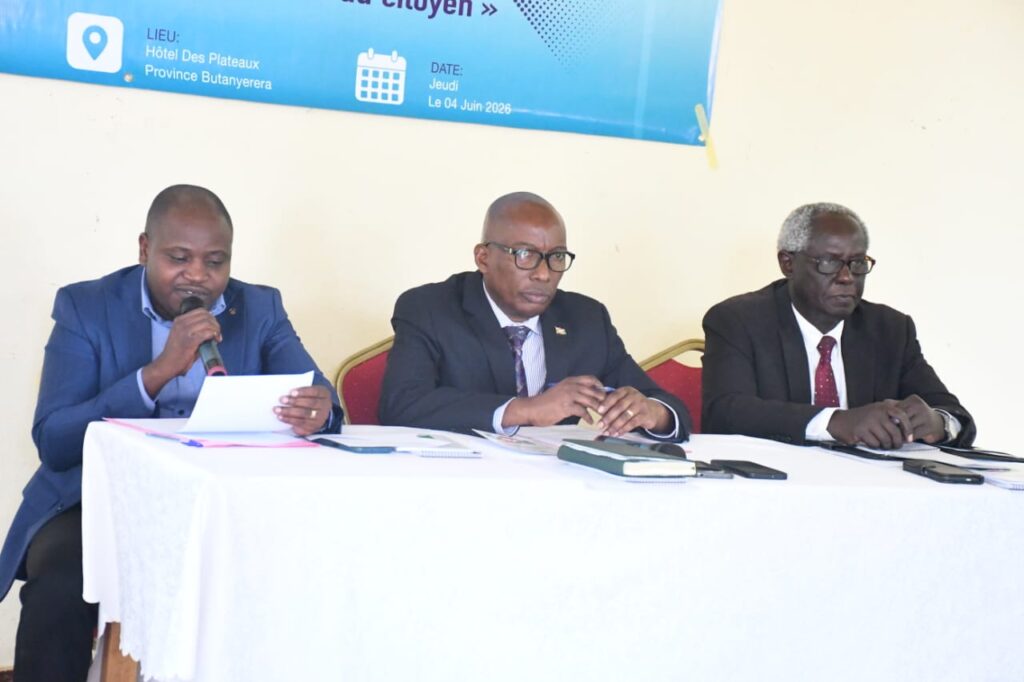
A significant workshop focused on the social protection code was successfully organized in Butanyerera province on Thursday, June 4, 2026. The event, held to foster a deeper understanding of key social policies, was themed, "Comprendre pour mieux agir : le code de protection sociale au service du citoyen" (Understanding to act better: the social protection code at the service of the citizen). The primary objective of this gathering was to strengthen the appropriation and practical implementation of this vital legal framework by field actors operating within the province. Organizers specifically aimed to ensure better and more full coverage against a range of social, economic, and environmental risks that impact individuals and communities within Butanyerera. This initiative shows a concerted effort to translate legal provisions into tangible benefits for the population.
Governor's Vision for Social Protection
Governor Victor Segasago, a key figure in the provincial administration, articulated the government's full perspective on the profound importance of social protection during his address at the workshop. He stated unequivocally that social protection represents an essential pillar for sustainable human development, noting its foundational role in building resilient and thriving societies. Governor Segasago further described it as a strategic instrument meticulously designed to prevent and effectively reduce poverty, inequalities, and vulnerabilities that often afflict communities. His remarks showed the administration's commitment to leveraging social protection as a powerful tool for societal betterment. He emphasized that social protection is now considered a recognized and guaranteed right, moving beyond a mere policy consideration to a fundamental entitlement, thereby showing its indispensable role in ensuring the overall well-being and stability of society. This recognition as a guaranteed right signifies a progressive approach to social welfare, aiming to secure basic protections for all citizens.
Advocacy for Broader Coverage
Gilbert Nyawakira, who leads the INSP!R network, contributed significantly to the discussions by noting existing social protection benefits and identifying areas for improvement. He cited key provisions already in place for retirees, ensuring their financial security in their later years. Mr. Nyawakira pointed to support mechanisms specifically designed for vulnerable individuals, which include practical aids such as health assistance cards that facilitate access to medical care, and the widely recognized 'Merankabandi' program, aimed at supporting the most disadvantaged.
Building on these existing frameworks, Nyawakira passionately advocated for the establishment of a strong legal framework specifically designed to protect workers who have involuntarily lost their jobs. He proposed the implementation of proactive measures such as unemployment insurance, which would provide a key safety net for this demographic, offering financial stability during periods of unexpected job loss. This forward-looking proposal seeks to mitigate the economic shock experienced by individuals and families in such circumstances.
Nyawakira further requested the expeditious adoption of implementing texts and accompanying measures, which he stressed were absolutely essential to ensure effective and equitable access to social protection rights for all citizens. He emphasized that without these detailed operational guidelines, the broader goals of social protection could not be fully realized, ensuring that the legal framework translates into practical and accessible support for everyone.
Empowering Local Transformation
Fulgence Ndayisasiriye, another prominent voice at the workshop, stated that the primary aim of the gathering was to strengthen social movements, empowering them to become potent levers of transformation within their communities. He indicated that this key transformation would be achieved through a multi-faceted approach, including full information dissemination, targeted awareness campaigns, and vigorous advocacy for social rights. The initiative sought to empower local actors with the necessary knowledge and tools required to champion the social protection code effectively within their respective communities. By fostering a deeper understanding of the code's intricate provisions and its myriad benefits, organizers intended for these invigorated social movements to effectively advocate for citizens' access to essential social protection mechanisms. Ndayisasiriye emphasized that informed and actively engaged social movements are absolutely key for ensuring the broad implementation and equitable reach of social protection policies across the province. This strategic approach is expected to translate the legal framework into tangible improvements and lasting positive change for vulnerable populations throughout Butanyerera.