Strategies aimed at combating political intolerance among members of different political parties during election periods are the focus of this article. The discussion explores various approaches designed to mitigate tensions and promote understanding when political activity intensifies. This report delves into the perspectives of political leaders, religious figures, and citizens, noting both past challenges and proposed solutions for fostering a more tolerant political landscape. The overarching goal is to prevent the divisive consequences that can arise during heightened electoral competition, ensuring that political differences do not escalate into social discord or violence.
Local Success and Past Causes
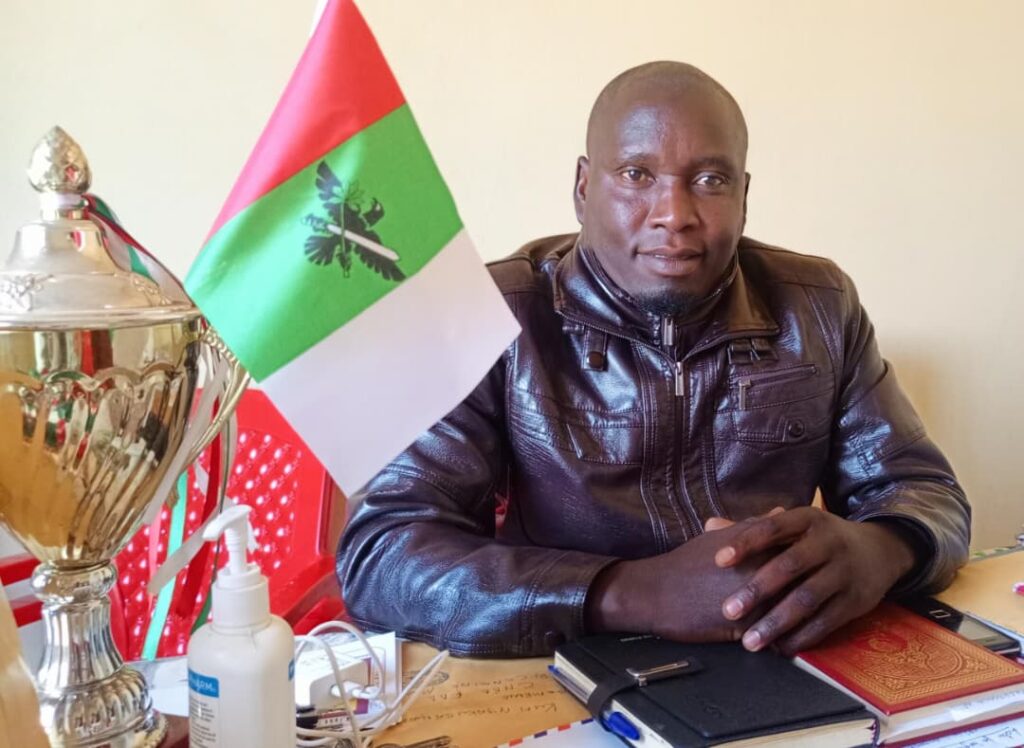
Asman Niyonkuru, communal secretary of the CNDD-FDD party in Mwaro commune, stated that disagreements between members of different political parties during election periods are no longer present in his commune. Niyonkuru attributed past negative behavior to young people lacking activities and being exploited by politicians. He explained, "If you have nothing to do and someone gives you a drink, they manipulate you as they wish. But, since many young people have changed their mentality and accepted to engage in various activities that can contribute to the economic development of the country, even if you come to tell them that you will give them a drink, they will tell you that they know what to do." This shift in mindset, according to Niyonkuru, has been instrumental in reducing political tensions at the local level.
Niyonkuru emphasized that political intolerance between members of different political parties can lead to harmful consequences, including violence and killings. He added that political party members should not be enemies, but rather neighbors who need each other in all circumstances. "They must engage in development work instead of following politicians who use them in acts of violence," Niyonkuru stated. He showed the importance of community cohesion over political rivalry, advocating for a focus on shared progress. Jeanne Hatungimana, a businesswoman from Kanyari neighborhood, observed that political intolerance is primarily seen among men, suggesting a gendered dimension to the issue that warrants further consideration.
Party and Religious Strategies
Thérence Manirambona, spokesperson for the CNL party, stated that his party prioritizes teaching mutual respect and encouraging the selection of projects that contribute to the country's sustainable development. Manirambona clarified that his party teaches its members the importance of mutual respect and the spirit of choosing projects that lead the country to sustainable development, fostering a forward-looking and collaborative approach to governance. Manirambona emphasized the importance of coexistence, stating, "Les voisins doivent s’entraider mutuellement. C’est pour cette raison que les partis politiques doivent enseigner particulièrement à leurs membres et au peuple burundais en général comment vivre dans la diversité." This call for mutual aid and education on living with diversity notes the party's commitment to social harmony. He also recalled an incident in Muyinga where a CNL party member reportedly faced torture for not being affiliated with the ruling party, noting a phrase used in that context: "ibipinga, hongora injavyi." This incident serves as a stark reminder of the extreme consequences that political intolerance can sometimes manifest, showing the urgency of addressing such issues.
Pastor Josué Uwimana of Eglise Horeb Temple in Kinama proposed that political leaders should instill a spirit of love and patriotism among their members. Uwimana further suggested that religious institutions have a significant role in fostering open dialogue. "Les églises aussi doivent jouer un role prépondérant dans la promotion de la libre expression pour que les gens vivent dans l’harmonie avec une vision de développer le pays," Pastor Uwimana said, advocating for churches to facilitate an environment where people can express themselves freely to promote national development and harmony. He firmly believes that churches should play a key role in promoting free expression, enabling people to live harmoniously and work towards the development of the country. This perspective positions religious bodies as key facilitators of peace and understanding within the political sphere.
Youth Vulnerability and Election Dynamics
Yvan Akimana, a young person from Bujumbura, stated that election periods are delicate times requiring caution from all citizens. Akimana emphasized that young people represent a target demographic for politicians who might resort to violence to secure electoral victories. Akimana specifically noted that young people are a target population for politicians who may use violence to win elections, making them particularly vulnerable during these critical periods. "Les jeunes surtout, constituent une population cible des politiciens. Chacun parti politique veut gagner les élections à tout prix en passant par la violence," Akimana said. He warned that such behavior negatively impacts social cohesion and national economic development. Akimana urged young people to remain focused on their work rather than being swayed by politicians who exploit them and then reconcile privately while the youth suffer the consequences. "Je tiens à interpeller la population jeune de rester concentrée sur leur travail au lieu de se laisser distraire par les politiciens qui, après les avoir exploité, s’asseyent ensemble pour partager un verre alors que les jeunes se détruits," Akimana added. His impassioned plea shows the need for youth to prioritize their personal and national development over partisan conflicts, recognizing the long-term damage caused by political manipulation.
Broader Implications and Call to Action
Pastor Josué Uwimana stated that political intolerance during election periods can be a destabilizing factor for the country. Uwimana, from Eglise Horeb Temple in Kinama, previously suggested that religious institutions should play a significant role in fostering open dialogue to promote harmony and national development. He also proposed that political leaders should instill a spirit of love and patriotism among their members. These observations show the potential for political divisions to undermine national stability, particularly when electoral contests intensify. The emphasis on love, patriotism, and open dialogue notes a broader call for proactive measures to mitigate the risks associated with political intolerance. He further stressed that political intolerance during election periods can indeed be a destabilizing factor for the country, threatening peace and progress. The collective insights from Niyonkuru, Manirambona, Uwimana, and Akimana paint a full picture of the challenges and potential pathways to fostering greater political tolerance. Their calls for education, mutual respect, youth empowerment, and the active involvement of both political and religious leaders provide a strong framework for building a more cohesive and stable society, especially during the sensitive period of elections.