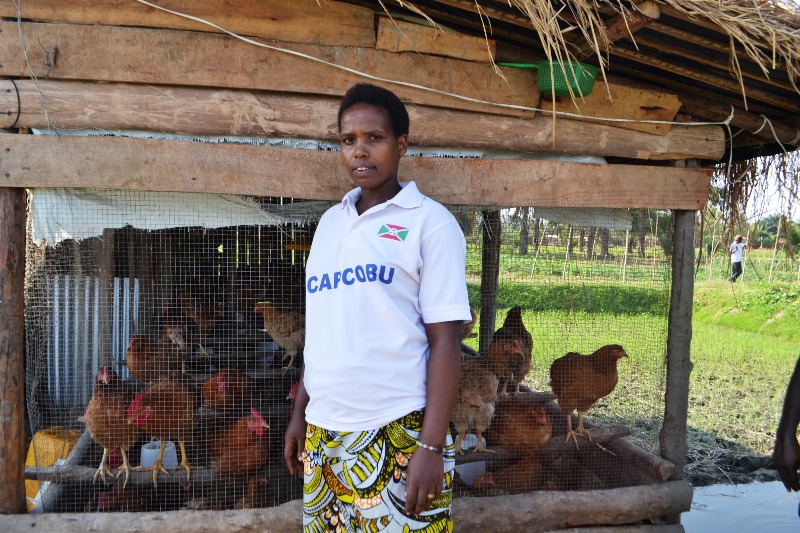
Géraldine Irakoze, 26, serves as president of the Coopérative agro-pastorale et Commerciale de Buramata (Capecobu). Established in Buramata, the cooperative was formed by Géraldine Irakoze and 45 other young people. Reflecting on her post-graduation experience, Géraldine Irakoze stated, "cela fait quatre ans que j’ai fini mes études. Quand j’ai fini, j’ai un peu chômé." Expert de coopérative Elie Niyongere explained the group's origins: "Nous nous sommes reunis pour mettre ensemble les moyens disponibles et nous avons pensé à élever des poissons." Despite early skepticism, Géraldine Irakoze remains focused on the organization's development. She noted, "Lorsque la coopérative a commencé, beaucoup ont dit qu’on n’irait pas loin, mais j’ai tenu," and added, "Être un leader n’est pas aussi facile, mais j’arrive à bien gérer et maintenir notre coopérative."
Overcoming Unemployment Through Innovation
The Programme d’autonomisation économique et d’emploi des jeunes (Paeej) provided a loan of eight million Burundian francs to the Coopérative agro-pastorale et Commerciale de Buramata (Capecobu). This financial support assisted the organization in scaling its operations within the region. Following the receipt of these funds, the cooperative expanded its land use from three ares to twenty-five ares. This development allowed the group to increase its agricultural output and manage larger production cycles. The expansion represents a significant growth in the operational capacity of the cooperative since its inception in Buramata. Géraldine Irakoze and the members of the cooperative continue to utilize these resources to sustain their activities and improve their economic standing.
Expanding Agricultural and Fish Production
Capecobu currently operates ten wells containing over 16,000 fish. These aquatic assets consist of three distinct varieties: tilapia, common carp, and isomvyi. The management of these wells remains a core activity for the cooperative as it seeks to diversify its output within Buramata.
Agricultural production extends beyond the fish wells to include cereal farming and livestock management. The cooperative produces twenty tonnes of rice to support local food security. Additionally, the organization maintains a poultry farm that houses 250 laying hens. These operations function alongside the cooperative’s existing land use to ensure a consistent supply of varied products.
Staffing requirements have grown in alignment with these increased production levels. The cooperative employs 20 permanent workers who oversee daily operations and long-term maintenance of the farm and fish wells. The organization relies on 40 daily laborers to assist with seasonal tasks and intensive production cycles. These personnel contribute to the ongoing functionality of the cooperative as it manages its expanded infrastructure.