The United States government announced new sanctions against the Rwandan Ministry of Defense and the Zigama Credit and Savings Society on 28 October 2026. Officials in Washington took this action in response to the entities' alleged support for the M23 rebel group operating in the République démocratique du Congo. These measures target the institutional assets and financial operations of both the ministry and the credit union. The sanctions represent a shift in the American approach toward actors involved in the ongoing instability within the Nord-Kivu region. Authorities did not provide details on the specific duration of these restrictions, but the mandate remains effective as of 29 October 2026. Global financial markets are now adjusting to the potential impact of these designations on regional economic activities.
Allegations of Military Involvement
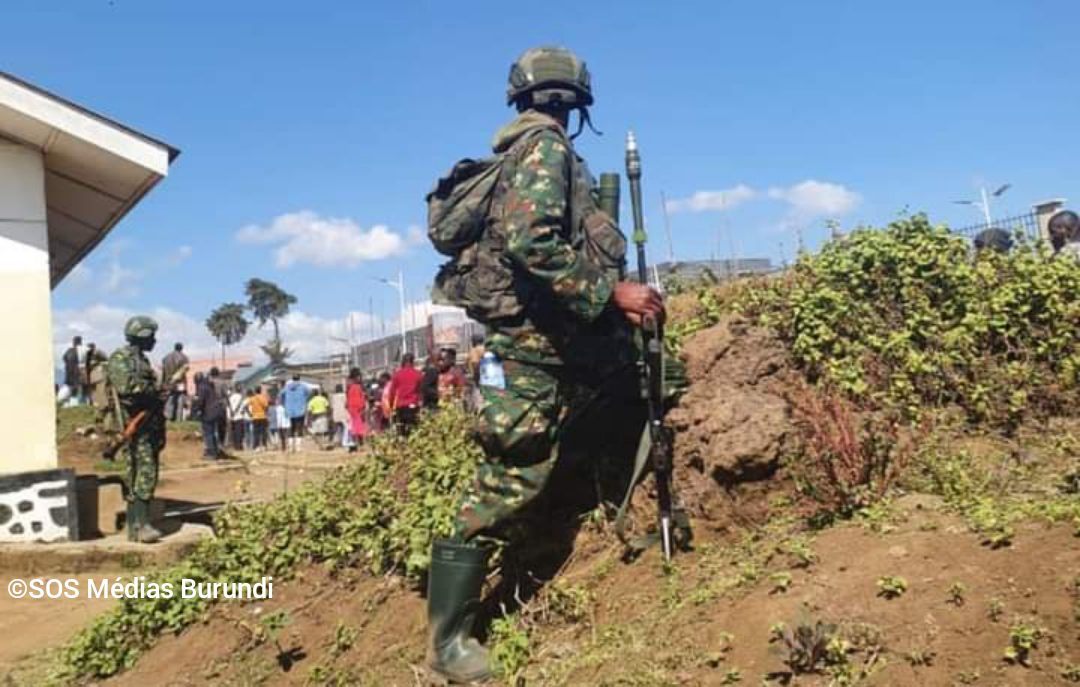
The U.S. Treasury Department alleges that thousands of Rwandan soldiers have been deployed in North-Kivu and South-Kivu provinces alongside M23 fighters. These troop movements coincide with broader claims regarding the nature of the partnership between state actors and the rebel group.
Rwandan military authorities face additional accusations from the U.S. Government regarding their role in arming the insurgency. Officials charge that these military leaders have provided M23 with weapons, ammunition, equipment, logistical support, and training. This material assistance reportedly enables the group to maintain its operational capacity in the eastern region of the République démocratique du Congo. State representatives have not yet responded to the specific details of these military allegations.
Financial Ties to Rebels
The U.S. Treasury Department claims that Zigama Credit and Savings Society facilitated financial transactions worth tens of millions of dollars. These funds allegedly provided direct benefits to M23 and the Alliance Fleuve Congo (AFC). Financial investigators identified these transfers as central to the operational funding of the armed groups currently active in the eastern territory.
Amnesty International documented a separate security crisis in the region on 21 September 2026. The organization reported that 18 artisanal miners were killed during attacks in eastern République démocratique du Congo. These fatalities occurred specifically within the mining zones of Rubaya and Lomera.
Political alignments in the conflict shifted on 12 October 2026 with the formation of the Front for the Refoundation of the Nation (FRN). This organization now functions as the official successor to the former AFC-M23 coalition. The establishment of this new entity follows the previous operational structure used by the insurgent groups.
Rwandan officials maintain their opposition to the allegations presented by the U.S. Government regarding their involvement in the conflict. Yolande Makolo, porte-parole du gouvernement rwandais, stated: "Kigali rejette les accusations de soutien au mouvement armé, mais affirme être prêt à mettre en œuvre les accords de Washington du 4 décembre 2025, à condition que Kinshasa respecte également ses engagements, notamment celui relatif à la neutralisation des Forces démocratiques de libération du Rwanda (FDLR)." The Rwandan government insists that its cooperation remains contingent upon the neutralization of the FDLR by authorities in Kinshasa.