The Democratic Republic of Congo (RDC) is reporting encouraging progress in its fight against the new Ebola outbreak, with several patient recoveries announced on June 4, 2026. These recoveries have occurred in the eastern part of the country, specifically in Bunia, Ituri province, and Goma, the capital of North Kivu. The positive outcomes mark a significant development in the ongoing public health response to the virus, offering a glimmer of hope amidst the challenges of managing the epidemic. The announcement of these cures represents a key step forward in containing the spread of the disease and supporting affected communities.
Progress in Eastern Cities
In Bunia, Ituri province, four patients infected with the Ebola virus were declared cured on Sunday, May 31. This development increased the total number of individuals cured in that area since the epidemic's onset to five. This announcement brings the total number of people cured since the beginning of the epidemic in this area to five, signaling effective treatment protocols and dedicated care. All of the recently cured patients are members of the Centre Médical d'Evacuation (CME) Bunia healthcare staff, including a nurse. Their recovery is particularly significant given their frontline role in battling the virus. Meanwhile, in Goma, North Kivu province, the sole Ebola case registered in the city was also declared cured and subsequently discharged from the hospital on Wednesday. This successful recovery in a major urban center like Goma is a testament to the rapid response and medical interventions in place. These recent discharges show the effectiveness of current treatment strategies and the dedication of healthcare workers in the affected regions.
Overall Outbreak Statistics
According to the World Health Organization (WHO), the epidemiological situation in the Democratic Republic of Congo (RDC) remains concerning despite these positive developments. The UN agency reports a total of 344 confirmed Ebola cases, which include 60 deaths. These cases are spread across 24 health zones within the provinces of Ituri, North Kivu, and South Kivu. The WHO further states that the number of suspected cases has seen a substantial decrease. Due to ongoing verifications, the figure has fallen from over 1,000 previously to 116 suspected cases currently. This reduction in suspected cases is attributed to rigorous verification processes, which help to accurately identify and isolate confirmed cases, thereby streamlining response efforts. The full data collection and verification by the WHO are vital for understanding the true scope of the outbreak and directing resources effectively.
Regional Concerns and Preparedness
Neighboring countries, including Burundi, Rwanda, Uganda, and South Sudan, are maintaining a heightened state of alert. The World Health Organization (WHO) has noted the persistent risk of cross-border spread of the Ebola disease, necessitating vigilance in these nations. Provinces in the Democratic Republic of Congo (DRC) like Ituri, North Kivu, and South Kivu, which are affected by the current outbreak, share borders with these countries. The geographical proximity and frequent movement of people across these borders contribute to the ongoing concerns regarding potential transmission beyond the DRC's boundaries. This has prompted continuous monitoring and preparedness measures in the region to mitigate any further expansion of the virus. These measures include enhanced surveillance at border crossings, public health awareness campaigns, and the readiness of medical facilities to handle potential imported cases, all aimed at preventing a wider regional crisis.
Treatment and Monitoring
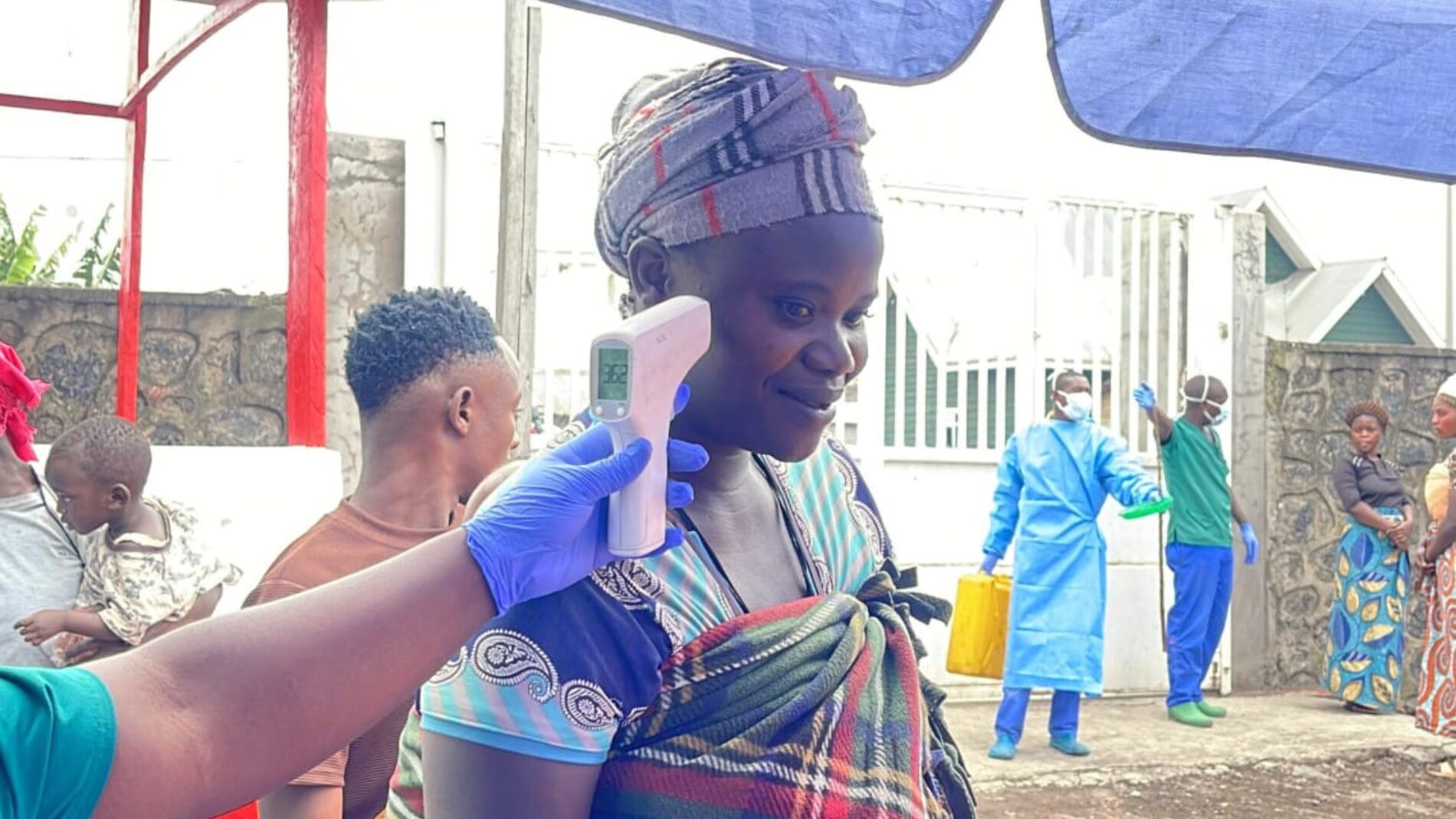
The World Health Organization (WHO) continues to support treatment and monitoring efforts across the affected provinces of Ituri, North Kivu, and South Kivu in the Democratic Republic of Congo (RDC). These interventions aim to manage confirmed cases in areas like Bunia and Goma, while also tracking suspected cases to prevent further spread of the Ebola virus. The ongoing support from international organizations like the WHO is critical for strengthening the local health infrastructure and ensuring that communities have access to the necessary resources for prevention and treatment. This includes providing essential medical supplies, training healthcare personnel, and implementing strong contact tracing to interrupt transmission chains. The sustained commitment to these efforts is critical for ultimately bringing the current Ebola outbreak under control.