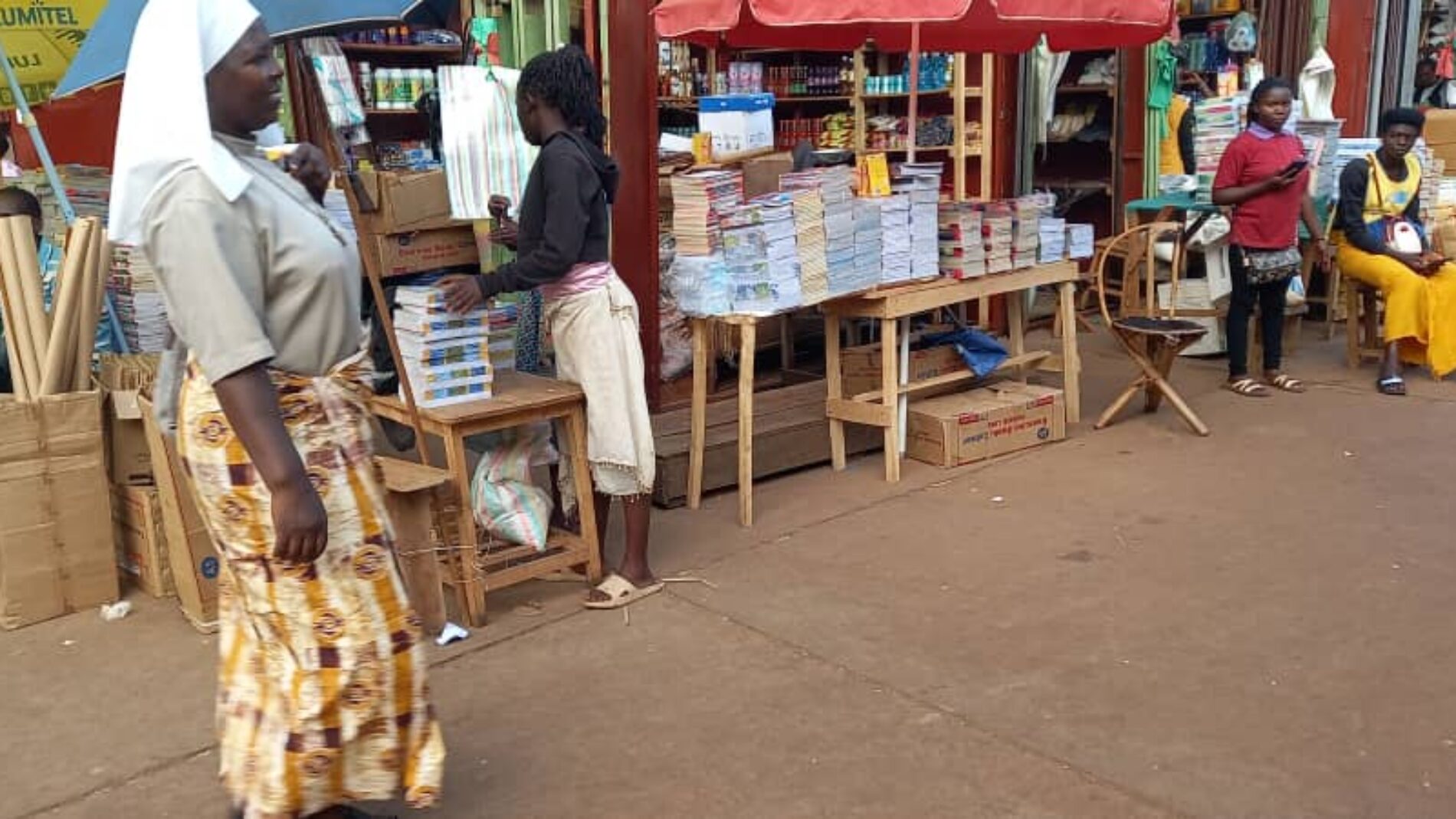
Parents in Gitega, Burundi's political capital and a city located in the central region of the country, are encountering a significant increase in the cost of school supplies and uniforms ahead of the new academic year. The price hikes were observed in the city as of August 24, 2026, creating considerable financial challenges for families preparing for school reopening. The rising expenses for essential educational materials are impacting households across the central Burundian city, adding to the economic pressures faced by many residents as the new academic year approaches. This situation notes the difficulties parents in Gitega are facing in equipping their children for the upcoming academic period.
Rising Prices of School Essentials
The cost of school supplies in Gitega has seen notable increases, impacting various essential items required by students. A 100-sheet notebook, for instance, has risen from 3,000 to 3,500 Burundian francs, representing a substantial increase for a fundamental school item. Similarly, a 60-sheet notebook now costs 2,500 Burundian francs, up from 2,000 francs previously, marking a 25% price jump. The price of a 48-sheet notebook has also increased, now standing at 1,500 Burundian francs compared to its former price of 1,000 francs, indicating a 50% rise. These increases affect the most basic tools students need for their daily studies.
Beyond basic stationery, larger and more specialized items have also experienced significant price hikes, further burdening parents. The cost of a school register, an essential item for teachers and school administration, has climbed from 15,000 to 20,000 Burundian francs. A mathematical set, another key item for students, particularly in higher grades, has seen its price increase from 3,000 to 3,500 Burundian francs. These upward adjustments extend across a wide array of educational materials.
School accessories like book covers, which protect textbooks and exercise books, are also more expensive this year. A single cover now costs 1,500 Burundian francs, an increase from 1,000 francs last year, reflecting a 50% rise in price. Backpacks, essential for carrying books and supplies to and from school, have also become significantly pricier. A satchel designed for a primary school child is currently priced at 40,000 Burundian francs, up from 35,000 francs previously. For secondary school students, the cost of a satchel has seen an even sharper rise, increasing from 40,000 to 50,000 Burundian francs. These price adjustments affect a wide range of materials parents must purchase for the upcoming academic year, making school re-entry a more expensive endeavor for families across Gitega.
Uniform Costs Surge Across Levels
Uniform costs for students in Gitega have also seen significant price increases across all educational levels, adding another layer of financial strain on families. For children in the first and second grades, the price of a uniform has risen from 15,000 to 20,000 Burundian francs. Students in the third and fourth grades are facing a similar hike, with uniform prices increasing from 20,000 to 25,000 Burundian francs. These increases mean parents must allocate a larger portion of their budget to ensure their younger children are properly outfitted for school.
Further up the academic ladder, uniforms for pupils from the fourth to the sixth grades now cost 30,000 Burundian francs, an increase from their previous price of 25,000 Burundian francs. For children attending école fondamentale (primary school), the cost of a uniform has climbed from 30,000 to 35,000 Burundian francs, impacting a large segment of the student population. Students in post-fondamental (secondary school) are also affected by these escalating costs, with uniforms now priced at 40,000 Burundian francs, up from 35,000 Burundian francs in the preceding year. These increases add to the financial burden on Gitega parents as the new academic year approaches, forcing many to stretch their limited resources even further to meet educational requirements.
Economic Pressures and Explanations
Some traders in Gitega attribute the surge in prices for school supplies and uniforms to the devaluation of the Burundian currency. This devaluation makes imported goods, including many school supplies, more expensive in local currency terms. Other traders cite the recurring fuel shortages as a contributing factor, which significantly increases the costs associated with sourcing and transporting goods from suppliers to markets in Gitega. The scarcity of fuel directly impacts logistics, leading to higher operational costs that are often passed on to consumers through increased retail prices.
The start of the school year coincides with a period when families also need to allocate substantial resources for the preparations of the agricultural season A. This dual demand for funds creates a particularly challenging situation for many households, especially those in rural areas or those dependent on agricultural income. Families are caught between the immediate expenses for school re-entry, including new uniforms and supplies, and the critical need to invest in seeds, tools, and labor for the upcoming planting season. The circumstances in Gitega thus reflect the broader difficulties faced by many Burundian families, who are struggling to balance essential educational expenditures with the financial demands required for preparing for agricultural season A, a key period for their livelihoods and food security. This confluence of expenses places immense pressure on household budgets, making it difficult for parents to meet all their obligations.