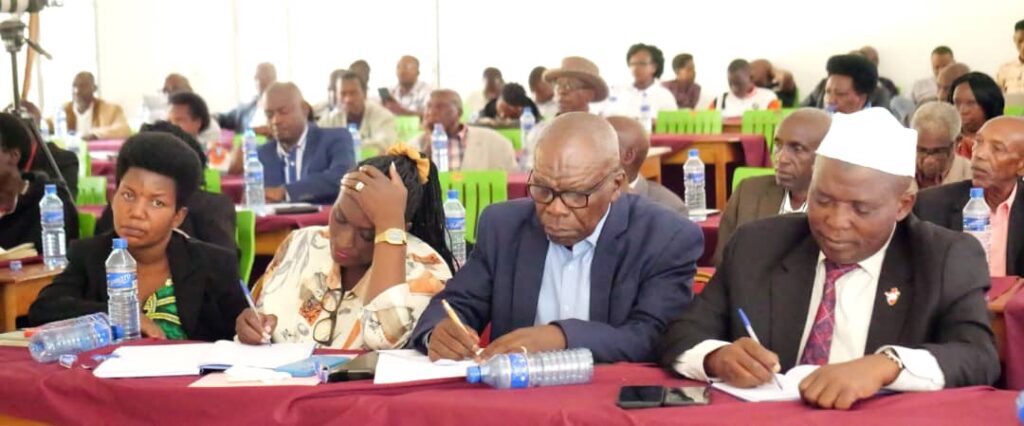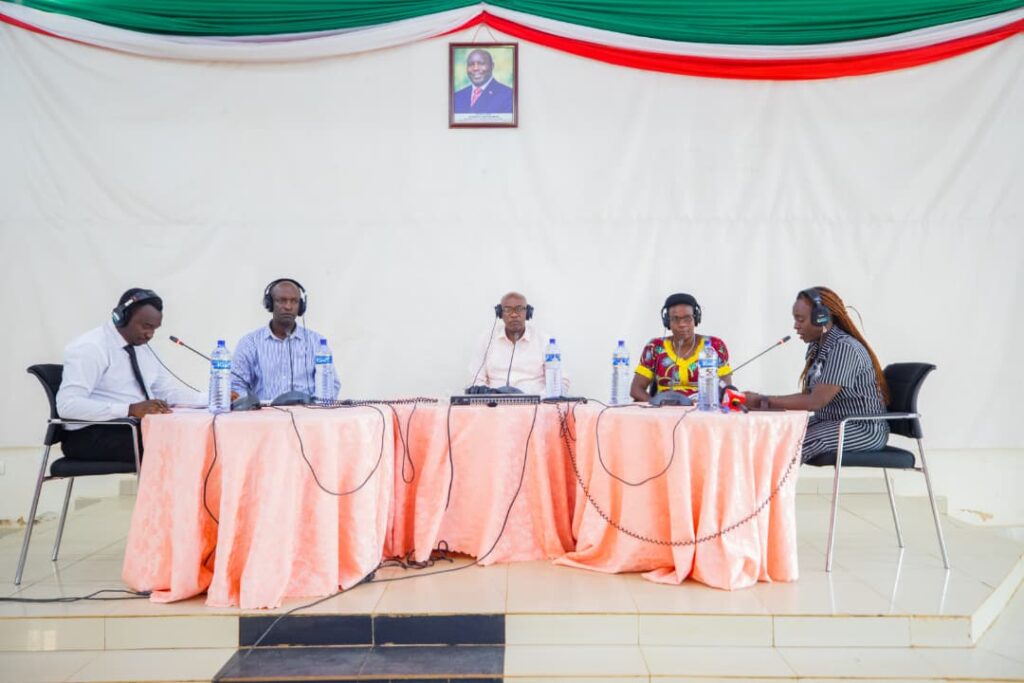
Eighteen Burundian media outlets, comprising twelve radio stations and six print newspapers, organized a multiplex debate named "Umunoni" on communal tax collection in the chief town of Kayanza commune, Butanyerera province. The event took place on Tuesday, May 26, 206. The full discussion focused on the mechanisms, challenges, and impact of local tax collection efforts within the commune, bringing together various stakeholders to deliberate on these critical issues. Kayanza commune has also seen notable developments in public services, with potable water now supplied to residents in over ten hills, according to local reports. These initiatives highlight ongoing efforts to improve essential infrastructure and financial management at the communal level, aiming to enhance the quality of life for its citizens. The debate served as a key platform for transparency and public engagement regarding these vital local governance topics.
E-Tax Pilot Drives Revenue Surge and Modernization Efforts
Kayanza commune was specifically chosen as a pilot commune for a new electronic tax collection method, an innovative approach that has contributed significantly to national revenue figures. This initiative saw substantial financial gains, demonstrating the potential for modernizing revenue collection. Between November and December 2025, over 5 billion FBu were collected nationwide through this system. A single month-long test of the e-tax system further demonstrated its impressive potential, generating more than 7 billion FBu. The successful implementation of this e-tax system in Kayanza shows a broader national effort to modernize and streamline revenue collection processes at the local level, aiming for greater efficiency and accountability.
The communal debate on tax collection, where these impressive figures and the system's performance were thoroughly discussed, formed a key component of the "Strengthening media to inform and support voter choices" project. This significant initiative was launched and supported by La Benevolencija, an organization committed to fostering informed citizenship. The project's primary aim was to enhance public understanding and engagement with critical governance issues, including the intricacies of local financial management and its direct impact on communal development. Through such discussions, the project sought to illustrate how increased communal revenues could directly translate into improved public services and tangible local development projects, empowering citizens with knowledge about their local government's financial operations.
Development Projects Funded by Strong Revenue Streams
Communal taxes in Kayanza have seen remarkable collection rates, reaching up to 115% over the past nine months, indicating strong and effective financial performance at the local level. These significantly improved revenue streams are directly contributing to various key development initiatives within the commune. Among the key projects funded by these revenues are the construction of a new health center, which will significantly bolster local healthcare services, and the rehabilitation of several vital bridges, enhancing connectivity and facilitating economic activity within the commune. The increased tax collection is part of a broader, concerted effort to fund essential infrastructure and social services, directly addressing the needs of the community and fostering sustainable growth.
While Kayanza has made significant strides in tax collection and development, other communes across the region also demonstrate varying levels of success in their revenue generation efforts. Ntahangwa commune, for instance, leads in overall tax collection, having accumulated an impressive figure of over 500 million FBu, showcasing exceptional performance in its local financial management. In stark contrast, Bururi commune recorded the lowest collection figures among the surveyed communes, with just over 46 million FBu. These figures highlight the disparities in revenue generation capacity and effectiveness across different communes, showing the varying challenges and opportunities each faces. The overarching focus on strengthening local tax collection aims to empower communes to finance their own development projects, thereby reducing their reliance on central government funding for critical infrastructure like health facilities and transportation links. This autonomy allows communes to prioritize projects that directly benefit their local populations.
Persistent Challenges and Enhanced Transparency Efforts
Kayanza commune consistently generates over 80 million FBu in monthly collections, contributing substantially to its local budget and enabling numerous community projects. Despite this consistent and significant revenue, the communal administration faces ongoing challenges that hinder its full financial potential. Uncollected money remains a major issue for the commune, representing a significant gap in its revenue stream that could otherwise be utilized for further development. Communal administrators, who have been diligently in office for nine months, are actively working to address these persistent gaps in revenue collection, implementing strategies to improve compliance and efficiency.
Further complicating these efforts, the machines utilized in the new e-tax method frequently experience breakdowns, posing operational challenges and sometimes disrupting the collection process. Communal officials are actively considering alternative solutions and technological upgrades to mitigate the impact of these technical issues and ensure the smooth, uninterrupted continuation of tax collection processes. To maintain a high level of accountability and transparency in its financial management and development initiatives, the communal council convenes regularly. These evaluation sessions occur every six months and are intentionally designed to be open to the public, with invitations explicitly extended to citizens to participate and observe the proceedings. The regular public evaluations aim to foster greater trust between the administration and the community, allowing community members to directly engage with and scrutinize the financial management and development progress of the commune, ensuring that public funds are managed responsibly and effectively.