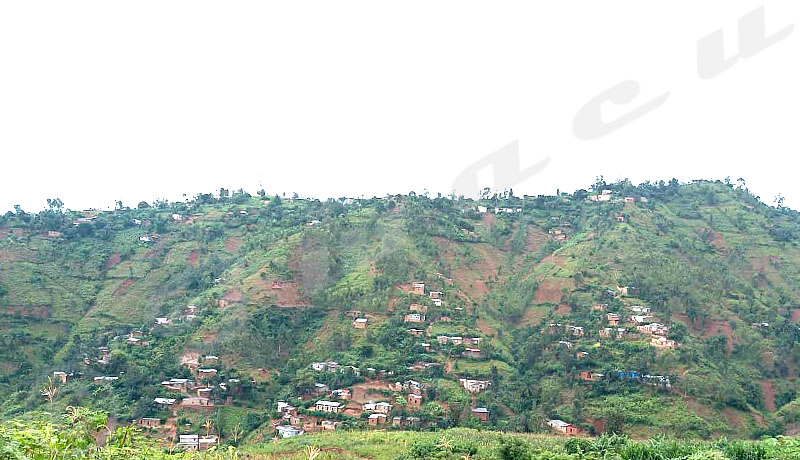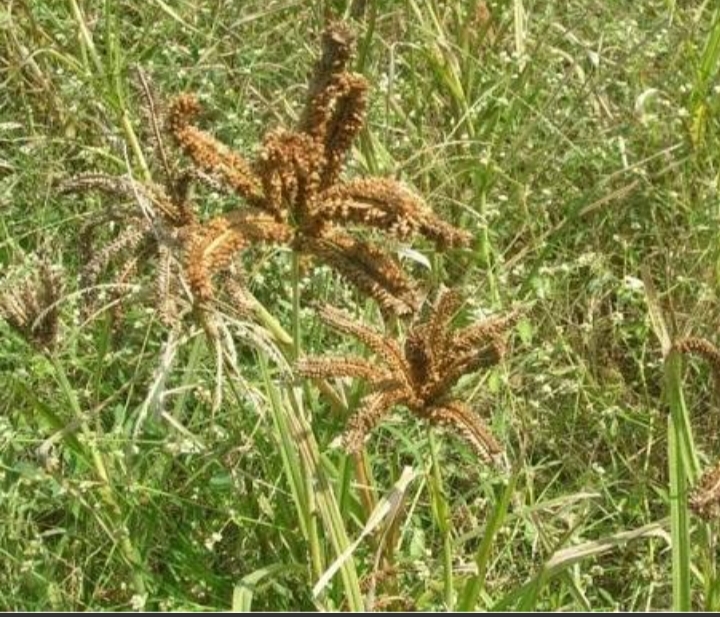
Maize production in Burundi's Mitakataka zone has significantly declined following recent meteorological disruptions that severely impacted crops. These disruptions, characterized by erratic rainfall and an unseasonable dry spell, have created challenging conditions for local farmers. Current assessments indicate that the region's maize yield will not exceed 35% of its potential, signaling a substantial agricultural setback for the area. This shortfall is directly attributed to the adverse weather conditions experienced over recent months, which have profoundly affected agricultural output across the zone, leading to widespread crop failures. The impact has been particularly severe for rain-fed crops, noting the vulnerability of traditional farming practices to climate variability.
Adverse Weather Impacts Harvest
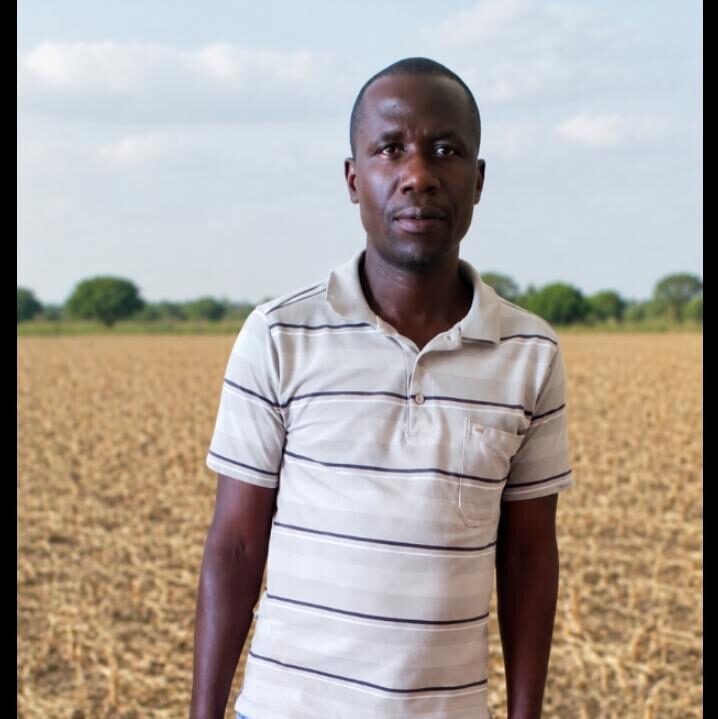
Initial forecasts for maize production in the Mitakataka Zone had anticipated yields reaching nearly 80% of the usual output, painting an optimistic picture for the agricultural season. However, these projections have been significantly altered by subsequent severe weather patterns, particularly an early onset of the dry season. Farmer Jean de Dieu Sindayigaya reported that he planted maize around the end of March 2026, a critical period for crop establishment and growth, hoping for a strong harvest. Despite the timely planting and the initial promise of growth, the dry season commenced prematurely, arriving before the maize crops could reach full maturation. This early onset of dry conditions prevented adequate development and grain filling, directly contributing to the substantial reduction in expected yields across the zone. The adverse weather has thus curtailed the potential harvest, moving it far below initial optimistic estimates and leaving many farmers facing significant losses. The lack of consistent moisture during key growth stages proved detrimental to the maize plants.
Delayed Planting Exacerbates Losses
Some farmers in the Mitakataka Zone planted maize towards the end of March, significantly ahead of the C cultural season which officially commenced in May. This early planting decision, however, did not mitigate the impact of subsequent weather challenges, as the dry season arrived unexpectedly early. The timing of the C cultural season, which typically guides planting schedules, was further complicated by the unpredictable weather patterns. Farmer Jean de Dieu Sindayigaya indicated that this delay in the agricultural calendar, combined with adverse conditions, has severely affected crop yields. Mr. Sindayigaya, reflecting on the challenging season, estimates that farmers will ultimately obtain less than 30% of their expected harvest this season, a stark indicator of the widespread impact. The discrepancy between optimal planting times and the actual onset of the cultural season, coupled with the premature dry spell, notes the profound challenges faced by local agriculturists in adapting to increasingly unpredictable weather patterns and securing their livelihoods.
Irrigation Offers Contrast and Hope
Despite the widespread maize crop failures and the difficulties faced by many farmers, rice production in the Mitakataka Zone remains satisfactory, offering a contrasting success story. This positive outcome for rice cultivation is a direct result of existing irrigation systems, which provide a key buffer against erratic rainfall. Farmers cultivating rice benefit significantly from a canal fed by the Mpanda river, which supplies a consistent and reliable water source to a specific portion of the zone. This vital infrastructure has allowed rice crops to thrive, ensuring stable yields even as rain-fed maize crops withered. The availability of irrigation shows its critical role in mitigating the impact of erratic weather patterns on agricultural yields in the affected areas, demonstrating a viable pathway towards greater resilience and food security for parts of the region.
Expert Outlook and Recommendations
Looking ahead, for the upcoming agricultural season, experts recommend a diverse planting strategy to mitigate future weather impacts. This proactive approach aims to reduce reliance on single crops and enhance overall farm resilience. Recommended crops for cultivation include maize, beans, tomato, watermelon, amaranth, and pepper. This variety aims to enhance resilience and ensure food security for farmers in the Mitakataka Zone, offering alternatives to crops heavily reliant on consistent rainfall and providing multiple income streams. By diversifying their crops, farmers can spread their risk and potentially secure a more stable income, even in the face of continued meteorological challenges. This strategy also supports soil health and biodiversity, contributing to more sustainable agricultural practices in the long term.