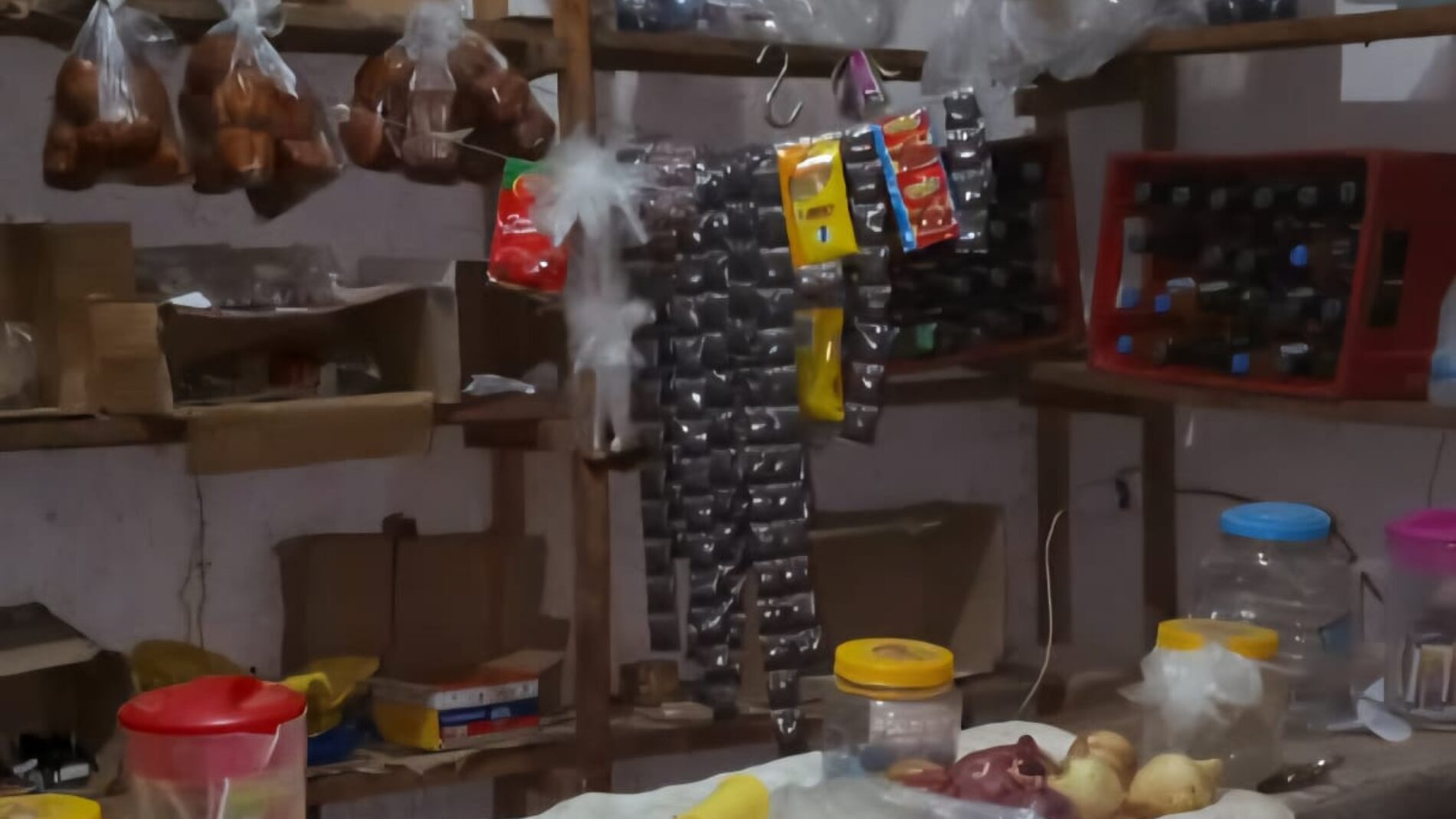
Jean Claude Ndayishimiye was discovered dead in a shop in the Bogorwa neighborhood of Nyanza commune, Burunga province, southern Burundi. The precise location of the discovery was within the Nyanza zone, Nyanza, further specifying the area within the larger Burunga province in the southern part of the country. The incident occurred overnight from Wednesday to Thursday. Reports indicate that Ndayishimiye's death took place between 9:30 PM and 10:00 PM, narrowing down the timeframe of the tragic event. The circumstances surrounding his demise have prompted an immediate investigation by local authorities.
Discovery and Initial Response
The victim, Jean Claude Ndayishimiye, was reportedly spending the night inside the shop, which belonged to his brother-in-law, and had locked himself in. This detail is a key part of the initial reports gathered by investigators at the scene. The shop, located in the Bogorwa neighborhood, became the focal point of a significant security and judicial response following the discovery of the body.
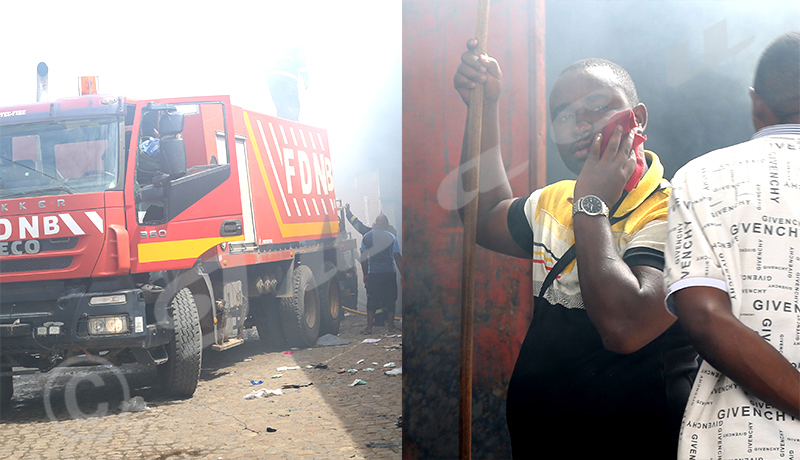
Following the discovery, elements of the National Police of Burundi and the National Defense Force were dispatched to the scene. These security forces intervened to open the locked shop, thereby gaining access to the premises where Mr. Ndayishimiye was found. Their presence showed the gravity of the situation and the immediate need for official intervention.
Subsequently, a judicial police officer (OPJ) arrived at the site, accompanied by a doctor. Their purpose was to conduct initial findings regarding the circumstances of the death and to formally initiate investigations into the incident. The judicial police officer is responsible for overseeing the preliminary stages of the inquiry, ensuring proper procedures are followed from the outset. The doctor's role involved a preliminary medical assessment at the scene, which is key for gathering immediate forensic observations. This joint approach is standard procedure in cases involving unexplained deaths, aiming to secure evidence and establish initial facts. After these preliminary assessments were completed, Mr. Ndayishimiye's body was transferred from the shop location to the morgue at Nyanza hospital for further examination. This transfer is a critical step in the investigative process, allowing for a more thorough post-mortem examination to determine the exact cause of death.
Unexplained Circumstances
The exact circumstances surrounding Jean Claude Ndayishimiye's death have not yet been officially established. Authorities have urged the public to exercise caution and avoid drawing hasty conclusions while investigations remain ongoing. This appeal for prudence notes the complexity of the case and the need for a thorough, evidence-based inquiry. The initial findings have not provided a definitive explanation for how Ndayishimiye died, leading to a full investigation.
Investigations are currently underway to determine the cause and nature of the incident that led to Ndayishimiye's demise. The investigative teams are working diligently to piece together the events of the night from Wednesday to Thursday. Forensic examinations are expected to provide further details as the inquiry progresses, potentially shedding light on whether the death was accidental, self-inflicted, or the result of a criminal act. The results of these examinations will be key in guiding the direction of the ongoing investigation and ultimately in establishing the official narrative of what occurred.
Broader Context and Calls for Rigor
Several deaths under unusual circumstances have been reported in Burunga province and other regions of Burundi in recent months. This pattern raises concerns among the populace and shows the importance of transparent and rigorous investigations. The repeated occurrence of such incidents adds a layer of urgency to the current inquiry into Jean Claude Ndayishimiye's death.
Human rights organizations have emphasized the necessity for rigorous medico-legal investigations to differentiate between suicide, accident, or criminal acts in such cases. These organizations advocate for thorough and impartial processes to ensure that justice is served and that the true nature of each death is accurately determined. Their calls for rigor reflect a broader concern for human rights and the rule of law in the country, particularly when dealing with deaths that lack immediate, clear explanations. The careful examination of evidence, combined with expert medical analysis, is considered critical to achieving clarity and accountability in these sensitive situations.