The Moroccan Caftan was recently recognized by UNESCO, prompting celebrations in Bujumbura, Burundi. UNESCO inscribed the traditional garment on its representative list of the Intangible Cultural Heritage of Humanity, acknowledging its profound cultural significance. This international recognition notes the caftan's importance as a symbol of Moroccan heritage and its enduring legacy. The inscription specifically acknowledges the rich artistry, traditions, and know-how associated with the Moroccan Caftan, elevating its status on a global platform.
UNESCO Recognition and Historical Depth
The official inscription of the 'Moroccan Caftan: Arts, Traditions and Know-how' onto UNESCO's Representative List of the Intangible Cultural Heritage of Humanity took place on December 10, 2025. This significant event occurred during a meeting held in New Delhi, bringing international recognition to the traditional garment and its associated cultural practices. The inclusion on this prestigious list shows the caftan's universal value and the need for its preservation.
The Moroccan Caftan's rich history spans over 14 centuries, demonstrating its enduring cultural significance and deep roots within Moroccan society. Its intricate artistry and craftsmanship have been meticulously preserved through generations, showcasing a remarkable continuity of tradition. The transmission of this heritage has primarily occurred from mother to daughter and from master to apprentice, ensuring the continuity of its traditional know-how and design principles over a long period. This intergenerational transfer of skills and knowledge has been key in maintaining the authenticity and artistic integrity of the garment, allowing its complex techniques and aesthetic values to thrive for over 14 centuries.
Africa Day Showcase in Burundi
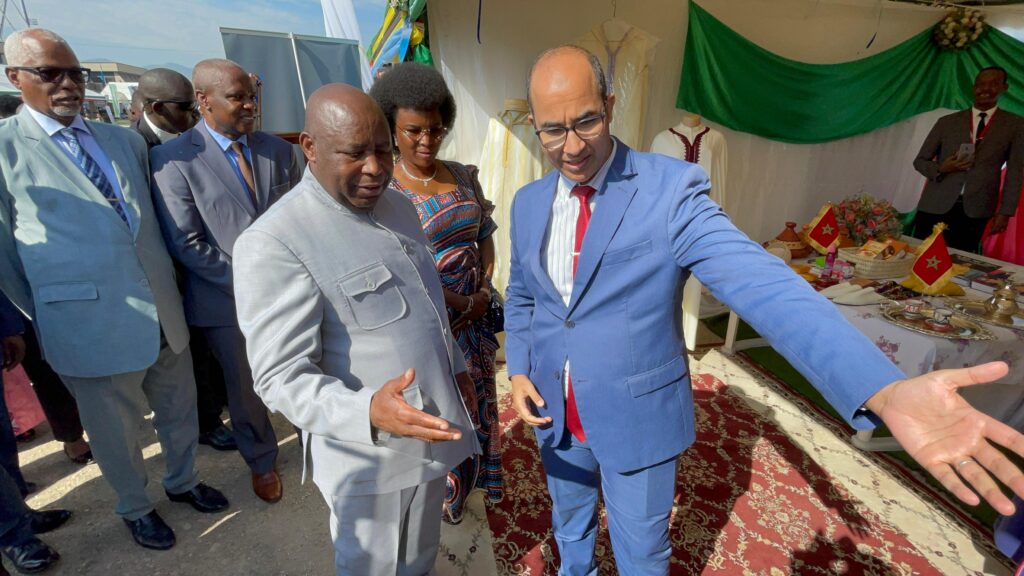
An exhibition of the Moroccan Caftan was held in Bujumbura on May 25, 2026, at Stade Intwari. This event showcased the garment's cultural significance in Burundi, coinciding with broader celebrations of African heritage. The display further noted the growing cultural exchange between Morocco and Burundi, fostering a deeper understanding of shared African traditions. The exhibition provided a unique opportunity for attendees to appreciate the beauty and historical depth of the Moroccan Caftan, reinforcing cultural ties between the two nations.
The strengthened relationship between the two nations was also showed by the first session of the Joint Cooperation Commission (CMC) between Morocco and Burundi. This commission convened in May 2025 in Rabat, focusing on collaboration across various sectors, including culture, economy, and education. The exhibition and the commission meetings reflect a deepening bilateral engagement in both cultural and diplomatic spheres, paving the way for future collaborations.
Cultural Significance and Pan-African Ties
The exhibition in Bujumbura occurred within the framework of the World Africa Day celebration, emphasizing the caftan's role in pan-African cultural understanding. The Moroccan Caftan itself is considered a reflection of a millennial civilization, incorporating influences from Andalusian, Amazigh, Arab, and Hassani cultures. This cultural depth notes a rich historical tapestry that resonates with broader African heritage, showcasing a blend of traditions that have shaped the garment over centuries. The garment's presence at the World Africa Day event in Burundi further emphasizes its role in fostering pan-African cultural understanding and exchange, demonstrating shared historical threads across the continent. It serves as a tangible link between diverse African cultures, celebrating a common heritage.
Diplomatic Mission's Perspective
The Moroccan Caftan is described by diplomatic missions as a living symbol of Moroccan identity. This characterization shows the garment's profound cultural significance, representing centuries of heritage and artistic expression that are central to the kingdom's national pride. Its recognition by international bodies further solidifies its status as a key element of the kingdom's cultural patrimony, celebrated both domestically and abroad. This diplomatic perspective reinforces the idea that the caftan is more than just clothing; it is a narrative woven into the fabric of Moroccan history and national identity.