The Musasa refugee camp, situated in Kiremba commune, Butanyerera province, northern Burundi, is confronting a severe humanitarian crisis as of June 12, 2026. This critical situation has arisen following the disruption of the camp's vital water supply. The main engine within its pumping system, which is essential for providing water to the entire settlement, has broken down, leaving thousands without regular access to this fundamental resource. This development has profoundly impacted daily life for all residents in Musasa, leading to widespread hardship and health concerns. The crisis shows significant and persistent challenges in maintaining essential infrastructure within the camp, noting the precarious conditions faced by its inhabitants.
Deepening Humanitarian Crisis
The water crisis at Musasa camp significantly worsened in 2026, exacerbating an already challenging situation for its inhabitants and pushing the community to the brink. This severe shortage extends beyond the refugee population, impacting several Burundian households residing in the surrounding hills as well. The lack of adequate potable water has created broader humanitarian concerns across the region, affecting both displaced individuals and local communities alike. The absence of a reliable water source has led to increased sanitation risks, potential health issues, and a general decline in living standards for all affected. The prolonged nature of this crisis amplifies the urgency for immediate and effective intervention.
Strained Relations and Plea for Aid
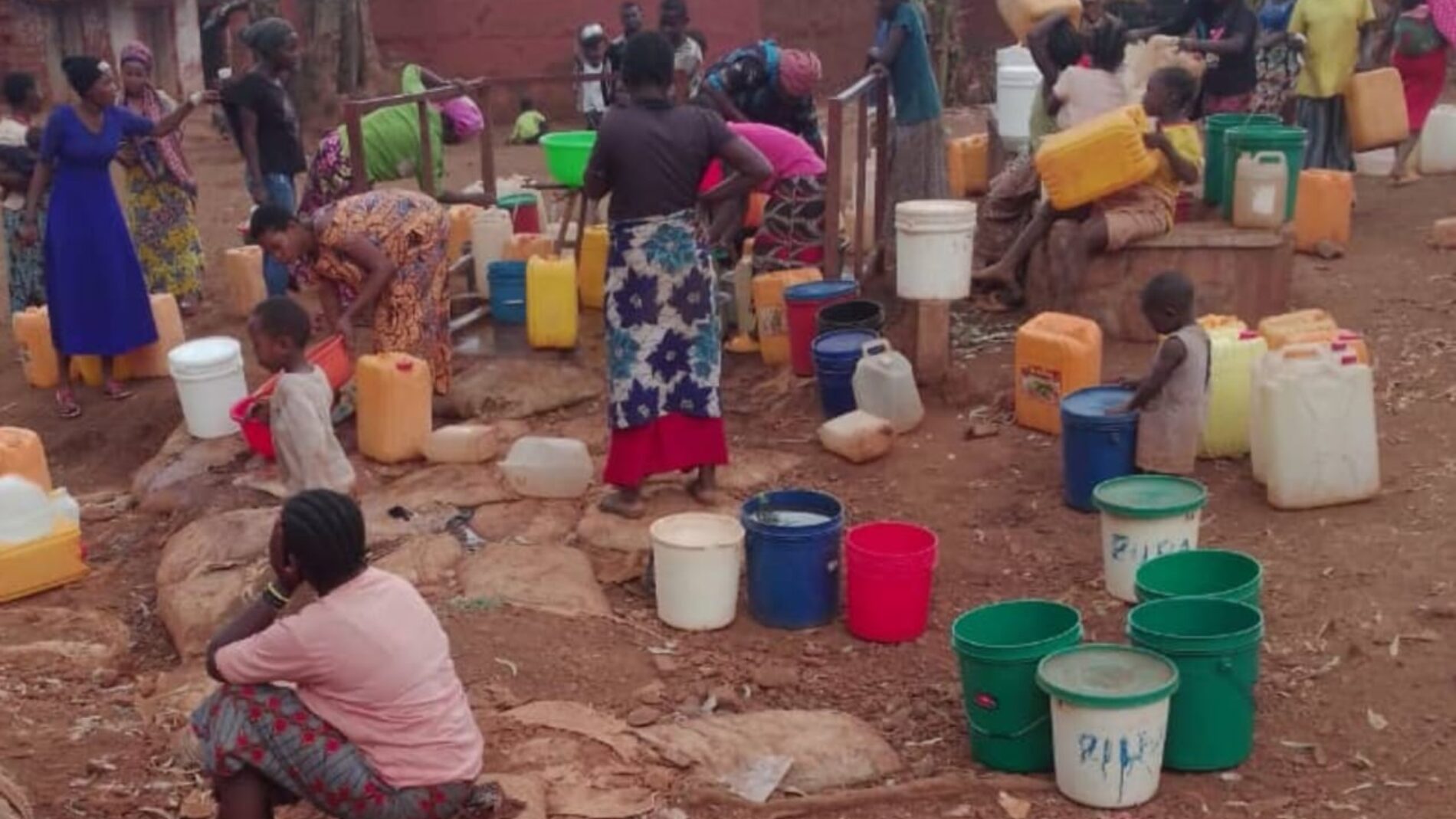
Over 9,000 Congolese refugees reside in the Musasa camp, where the scarcity of water has compelled them to purchase supplies from inhabitants of neighboring hills. This reliance on external and often informal sources has become a daily struggle for survival for the refugee population. This situation has led to escalating tensions between the refugee population and surrounding Burundian communities. Disputes have arisen over access to the limited available water points, intensifying an already strained environment and threatening social cohesion. The current water crisis is deeply affecting daily life for these refugees, forcing difficult choices between essential needs and limited financial resources.
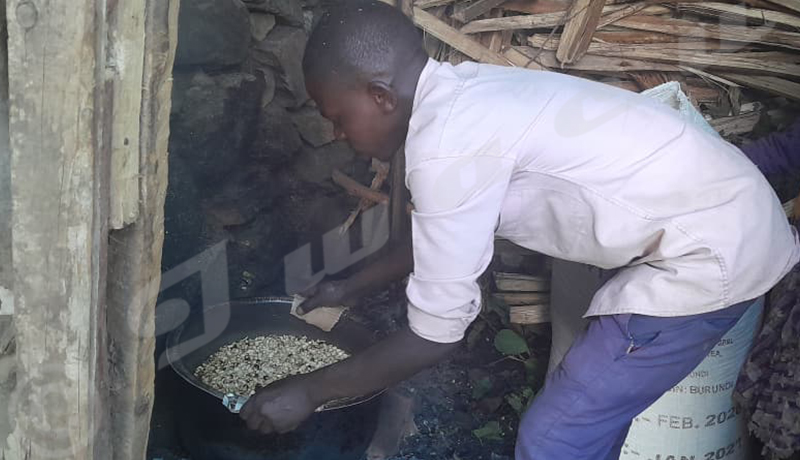
A photograph accompanying the report, taken in August 2024, depicts the conditions within Musasa camp, providing a visual testament to the challenges, although the article's date is June 12, 2026. The camp’s reliance on external sources for water shows the severe humanitarian challenges faced by its residents and the potential for further friction with local communities. The long-term implications of this water shortage on inter-community relations remain a significant concern for aid organizations working in the region, as competition for scarce resources can often lead to further instability. The absence of a functional water system places an undue burden on an already vulnerable population and the host communities.
Calls for Urgent Intervention
The Musasa refugee camp has been without regular access to potable water for over six months, a duration that has severely impacted the health and well-being of its inhabitants. This prolonged scarcity notes the urgent need for a resolution to the camp's water infrastructure issues, which are critical for the survival and dignity of its residents. The continued lack of this basic necessity has forced residents to resort to unsafe water sources or to spend precious income on purchasing water, diverting funds from other essential needs like food or medicine.
Addressing the crisis requires replacing the main engine within the pumping system, a repair estimated to cost approximately 27,000 US dollars. This financial requirement shows the significant investment needed to restore a consistent water supply to the camp's residents and mitigate the ongoing challenges they face. Without this key component, the entire water distribution network remains inoperable, leaving thousands without a reliable source of clean water. The absence of this critical component has left the camp reliant on inadequate and often unhygienic alternatives for an extended period, further exacerbating the humanitarian situation. International and local aid agencies are being called upon to provide the necessary funds and logistical support to implement this vital repair without further delay, ensuring the health and stability of the Musasa refugee camp and its surrounding communities.