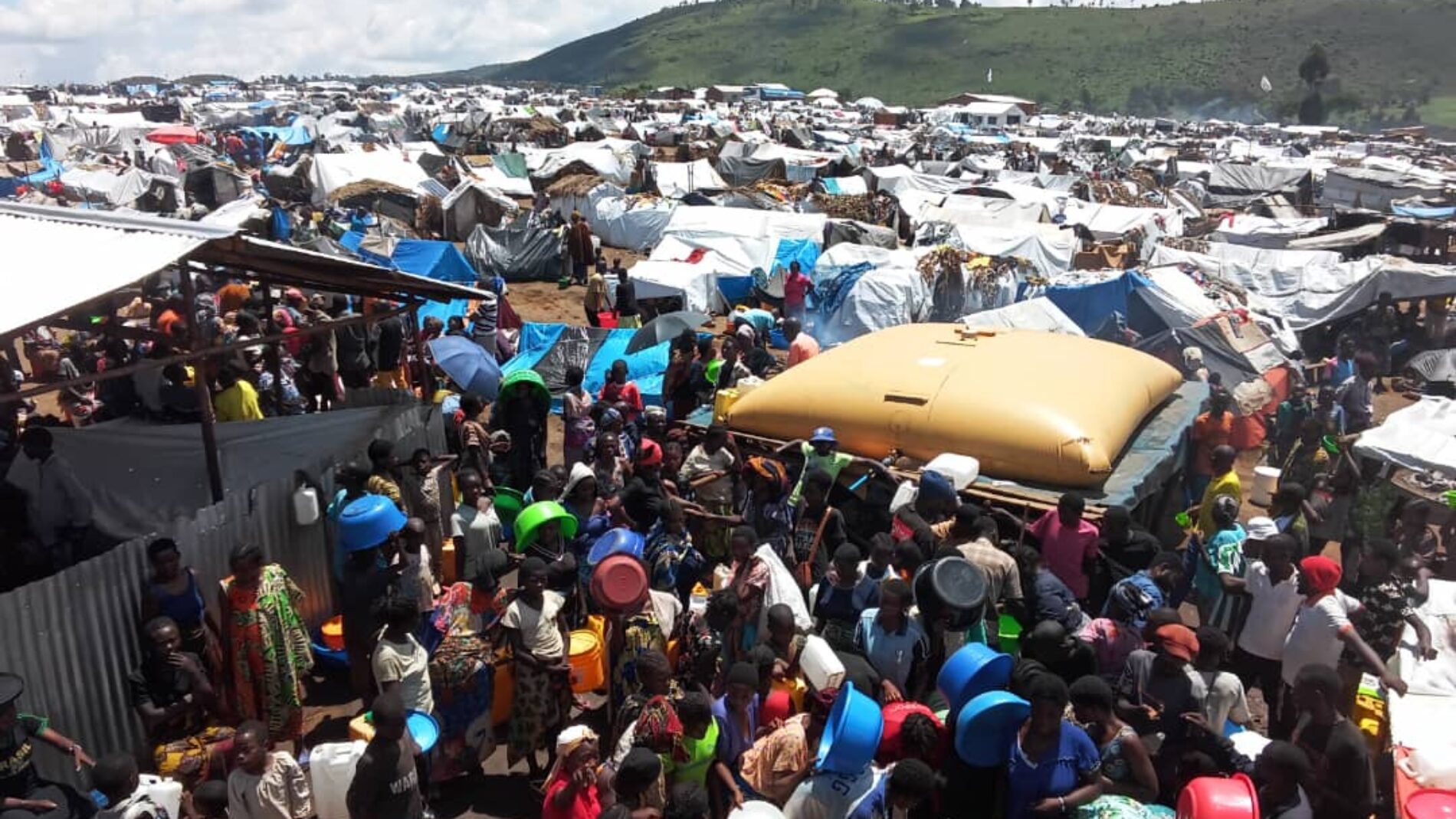
The Musasa refugee camp in Butanyerera province, northern Burundi, recently received an emergency water supply after experiencing a severe shortage for more than six months. The camp, which hosts over 9,000 refugees, faced critical water scarcity, prompting urgent intervention efforts. This prolonged period without adequate water access created significant humanitarian challenges for the camp's inhabitants. The emergency delivery aims to alleviate immediate suffering and address the critical needs of the refugee population in Musasa.
Emergency Water Arrives
The High Commissioner for Refugees (HCR) has implemented an emergency water supply system for the Musasa refugee camp. This intervention was initiated to address the severe water scarcity that had affected the camp for over six months. Daily, water is transported by truck from sources located in Gasorwe, a town in Buhumuza province, to the Musasa camp in Butanyerera. This logistical operation ensures that the camp, which houses more than 9,000 refugees, receives the necessary water provisions to meet immediate humanitarian needs. The HCR's efforts are focused on providing a consistent, albeit temporary, solution to the critical shortage while longer-term sustainability options are explored for the refugee population in Burundi.
Lingering Refugee Worries
The current truck-based water supply is considered a temporary solution by refugees residing in the Musasa camp. This stopgap measure, while addressing immediate needs, has not fully assuaged concerns among the camp's population regarding long-term stability. Refugees express apprehension that the present delivery method could be vulnerable to external factors. They fear that ongoing fuel supply issues across Burundi could potentially disrupt the consistent flow of water transported by trucks. A sustained interruption in fuel availability would directly jeopardize the daily water deliveries from Gasorwe to Musasa, creating a renewed crisis for the more than 9,000 residents. This reliance on trucked water also notes the broader fragility of existing water supply infrastructure, particularly in regions hosting large displaced populations. The situation shows the need for more resilient and permanent water solutions beyond emergency provisions.
Voices from the Camp
During the recent severe water shortage, families living in the Musasa camp faced significant hardships, according to camp residents. Many were compelled to purchase water at inflated prices from private vendors, while others had to travel considerable distances outside the camp boundaries to find alternative water sources. This situation placed an additional burden on already vulnerable households.
For a lasting resolution to the water crisis, camp residents and humanitarian observers emphasize the necessity of a sustainable approach. This solution, they suggest, would involve the repair of the camp's existing broken pump infrastructure and the establishment of a regular, reliable electricity supply to power it. Such measures would reduce the camp's dependence on emergency deliveries and mitigate future shortages.
Path to Lasting Solutions
The previous water supply system at Musasa refugee camp failed because of a pump breakdown, leading to the severe water shortage that prompted the current emergency measures. This mechanical failure noted the fragility of the camp's original infrastructure. To address both immediate and long-term water, hygiene, and sanitation needs, the High Commissioner for Refugees (HCR) works in partnership with COPED. The collaboration is central to developing and implementing solutions for the camp's residents. Securing the Musasa camp's water future involves not only repairing the existing pump infrastructure but also establishing a consistent electricity supply to power it, reducing reliance on temporary solutions.