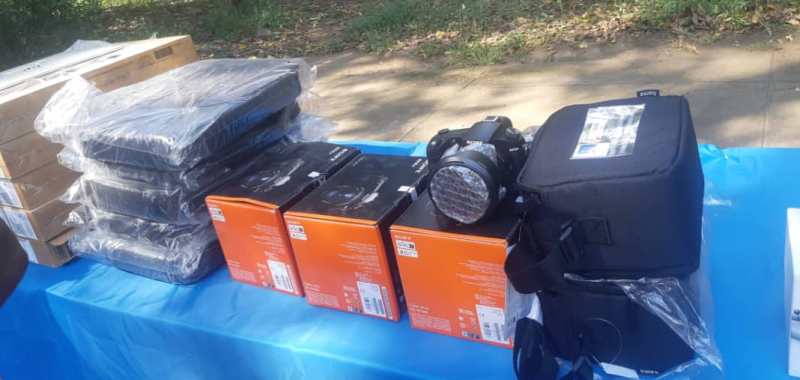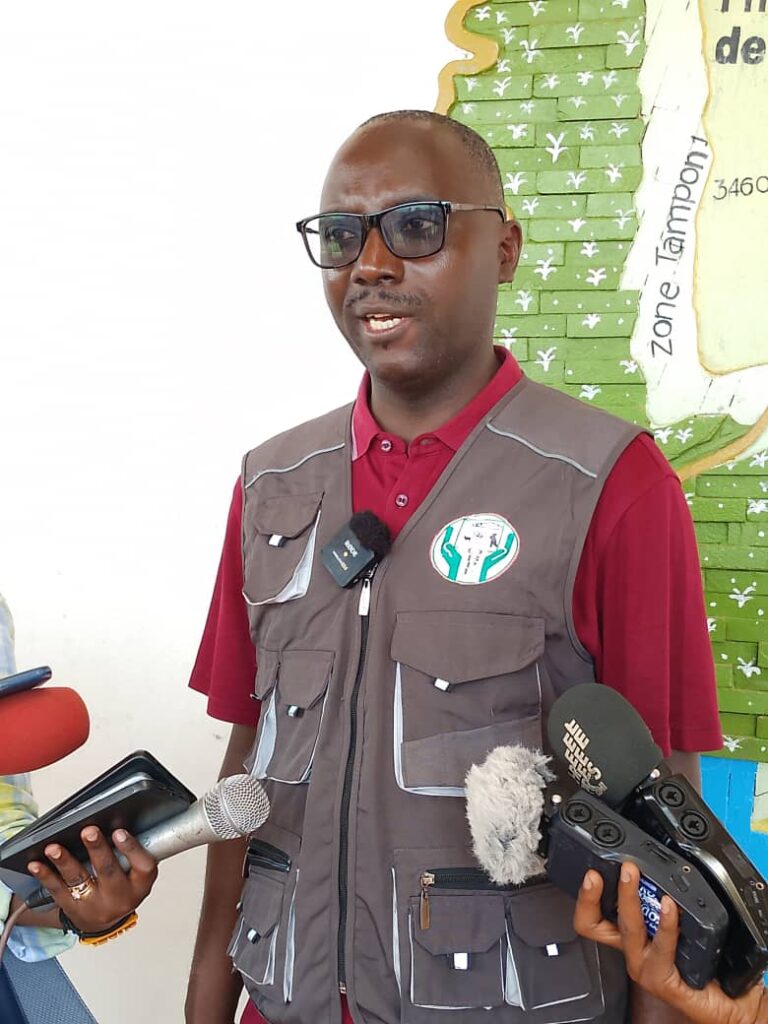
The United Nations Development Programme (UNDP) handed over new monitoring equipment to the Burundian Office for the Protection of the Environment (OBPE) on Thursday, May 21, 2026, in Bujumbura, aimed at enhancing protected area surveillance. This significant transfer of resources marks a key step in strengthening Burundi's conservation efforts. OBPE Director General Berchmas Hatungimana subsequently visited Ruzizi National Park that afternoon, specifically on Thursday, May 21, 2026. The purpose of this visit was to demonstrate the practical application of the newly acquired monitoring equipment and to showcase how these advanced tools will be utilized in the field. Hatungimana stated that the operational room, a component of the new equipment, "will be connected to other platforms, notably platforms that could inform us about the appearance of a bushfire in a park or another location." He added that the operator "will receive an alert message and also with the location coordinates, either where the poacher is or where the bushfire has been reported." This integration of technology is expected to significantly improve response times and effectiveness in managing environmental threats.
Advanced Monitoring Tools Deployed
The new equipment includes Global Positioning System (GPS) devices connected to satellites and infrared drones capable of capturing images during nighttime operations. These sophisticated tools provide real-time data and visual intelligence, key for monitoring vast and often challenging protected areas. Additionally, other materials will facilitate the collection of samples for biodiversity laboratory analysis, contributing to scientific research and better understanding of the ecosystem. The equipment will be deployed within an operations room constructed at Ruzizi National Park, serving as the central hub for surveillance activities. This strategic placement ensures immediate access to critical data and facilitates coordinated responses.
This operations room features flat screens linked to a laptop, forming the nerve center of the monitoring system. GPS data from guides conducting patrols will be transmitted to the computer in the operations room, enabling visualization of their location and any observed infractions. This capability allows park authorities to track personnel in the field and respond swiftly to incidents. The system is designed to alert authorities for rapid intervention when infractions occur, minimizing damage and deterring illegal activities. The operations room will be connected to platforms that can provide alerts regarding bushfires, a common threat to protected areas. These alerts will specify the location coordinates of fires or poachers, enabling precise and timely deployment of resources. This full approach to surveillance aims to create a more secure environment for Burundi's natural heritage. The integration of satellite-connected GPS devices and infrared drones, particularly for night operations, represents a significant technological leap for the OBPE.
Infrastructure Development at Ruzizi Park
Construction is ongoing at Ruzizi Park to develop several key infrastructure components, complementing the new monitoring capabilities. These include an administrative building designed to house offices for the park chief and sector chief, providing essential administrative support for park operations. Crucially, this building will also accommodate the newly established operations room, centralizing command and control functions. A dedicated visitor reception and registration area is also under construction to manage park entry, streamline visitor services, and ensure proper record-keeping. Additionally, work is proceeding on a tourist block, which will serve as a facility for visitors, enhancing their experience within the park.
The tourist block is intended to showcase the diverse fauna and flora present within Ruzizi National Park, as well as other protected areas across Burundi. This display aims to educate visitors about the region's rich biodiversity, fostering a greater appreciation for conservation. The tourist block will feature a direct connection to a pier, providing a convenient access point for tourists. This pier will provide access for a motorboat, facilitating organized boat rides along the waters of the Rusizi River for tourists. These boat rides offer a unique perspective on the park's aquatic ecosystems and wildlife.
In addition to these structural developments, a new walking trail is being developed within the park. This trail will span approximately 3 kilometers and is designed to lead visitors to the significant confluence of Lake Tanganyika and the Rusizi River, offering a distinct natural attraction. This trail will provide an immersive experience, allowing visitors to explore the park's terrestrial habitats and witness a prominent geographical feature. These infrastructure improvements are part of a broader effort to enhance both operational capabilities and visitor experiences at Ruzizi Park, promoting sustainable tourism and conservation awareness.
Enhancing Conservation Efforts
The purpose of the visit by OBPE Director General Berchmas Hatungimana to Ruzizi National Park was to demonstrate the practical application of the newly acquired monitoring equipment. This visit showed the commitment of the OBPE to leverage advanced technology for environmental protection. The donated equipment is intended to facilitate standardized monitoring and management across Burundi's protected areas. This standardization aims to ensure consistent data collection and surveillance practices, which are key for effective conservation strategies. By establishing uniform procedures and technologies, the OBPE can gather more reliable data and implement more coherent conservation plans across all its managed sites.
The deployment of advanced tools like GPS devices connected to satellites and infrared drones, alongside infrastructure development such as the operations room, supports this objective. These technologies provide an unprecedented level of oversight and responsiveness, making conservation efforts more efficient and impactful. By centralizing data and alerts, the system is designed to improve response times to infractions like poaching and bushfires. This rapid response capability is vital for mitigating immediate threats to wildlife and their habitats. The equipment and integrated systems are expected to streamline conservation efforts by providing a unified approach to environmental oversight, ultimately contributing to the long-term protection of Burundi's invaluable natural resources.