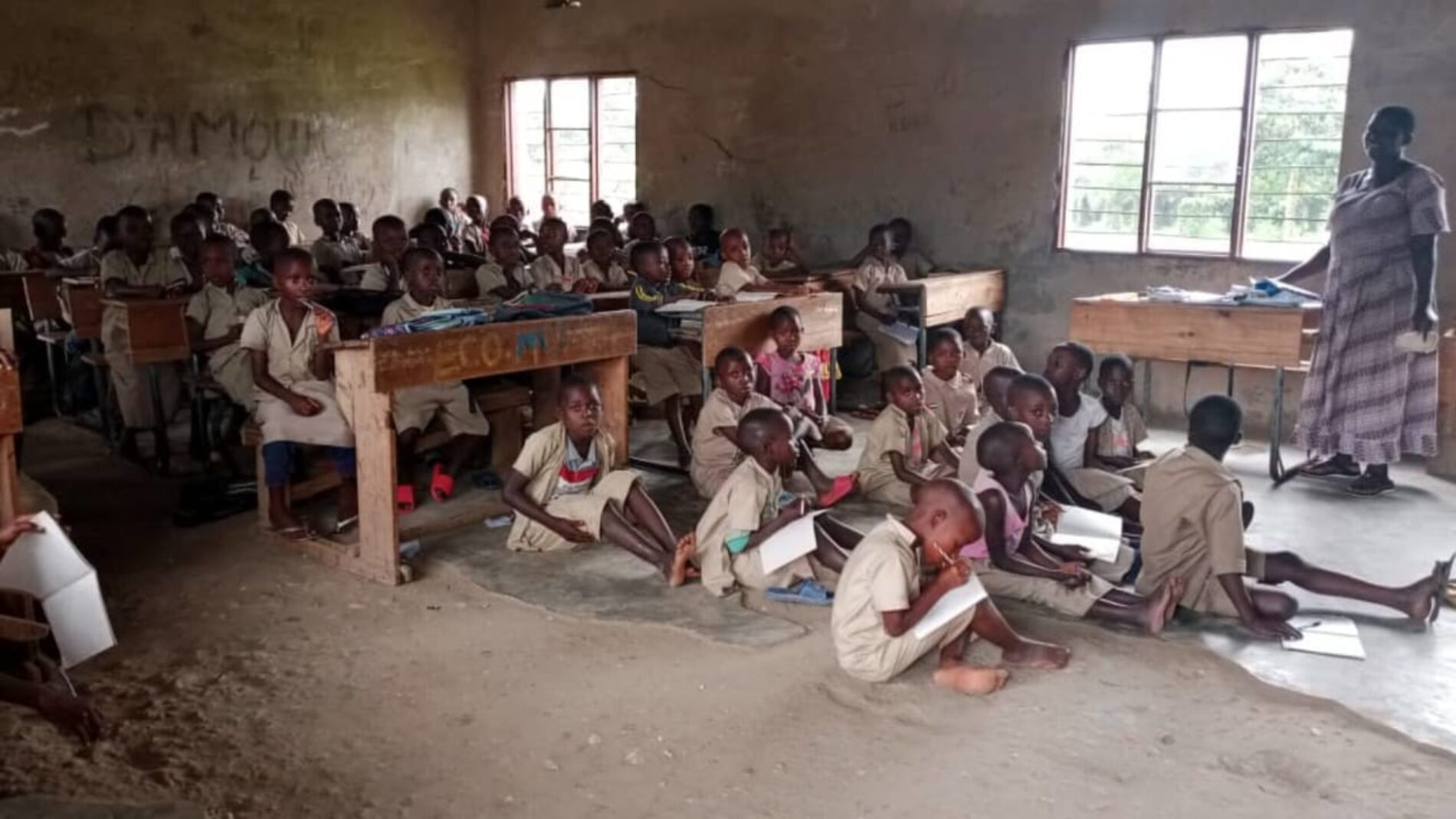
More than 3,200 students abandoned school in Rutana commune, Burunga province, during the second quarter of the current school year, primarily due to poverty. This alarming trend shows the severe economic challenges facing families in the region. A report from the communal directorate of education specified that 3,260 students abandoned their studies in the region, a stark figure for a single quarter. This significant number notes economic hardship as the main cause for the massive school dropout, with poverty identified as the primary driver. The directorate's findings indicate that families' inability to meet school-related costs is compelling children to leave their education prematurely. The situation in Rutana reflects broader challenges faced by communities where poverty directly impacts access to schooling, forcing difficult choices upon households.
Scope of the Crisis
Of the 3,260 students who dropped out of school in Rutana commune, 1,396 were girls and 1,864 were boys. This data indicates a disproportionate number of boys leaving their studies, suggesting unique pressures or opportunities that might draw boys away from education. The overall number of dropouts represents a substantial portion of the student population in the commune, raising concerns about the long-term educational attainment and future prospects of these young people. Primary schools and technical education institutions are among the most affected by these school dropouts, according to reports from the communal directorate of education. The specific impact on these educational levels suggests that the economic pressures are primarily affecting foundational learning and vocational training pathways for students in the region, potentially hindering their ability to acquire basic literacy and essential job skills.
Economic Pressures on Families
Children are being forced to leave school due to lack of school supplies, food, or financial means for contributions, according to the communal directorate of education. Families in Rutana are encountering significant challenges in managing education-related expenses, a situation exacerbated by a recent surge in the prices of essential goods. The increased cost of basic necessities directly impacts household budgets, making it difficult for many to allocate funds for schooling. These financial burdens mean that families struggle to afford even basic necessities like school uniforms, textbooks, and daily meals, let alone tuition or other required fees. This economic strain often compels children to abandon their studies to either reduce household expenditures or contribute to family income, sometimes by seeking informal employment. The inability to meet these fundamental needs is identified as a primary driver behind the school dropout crisis in the region, creating a cycle of poverty and limited educational opportunity.
Wider Trends and Youth Migration
The situation in Rutana is not an isolated incident within the country; growing poverty is compelling increasing numbers of children to abandon schooling across Burundi. This broader national trend indicates a systemic issue where economic hardship is consistently pushing children out of classrooms. This trend contributes to a broader crisis where many out-of-school youth are subsequently leaving for sub-regional countries. These young people migrate in search of better living conditions and future prospects, often driven by the lack of opportunities and the widespread poverty in their home communities. The exodus of youth from the country, fueled by educational and economic deprivation, represents a significant loss of human capital for Burundi. It notes how the economic pressures driving school dropouts also fuel cross-border movement among the youth, as they seek a chance at a more stable and prosperous life elsewhere.