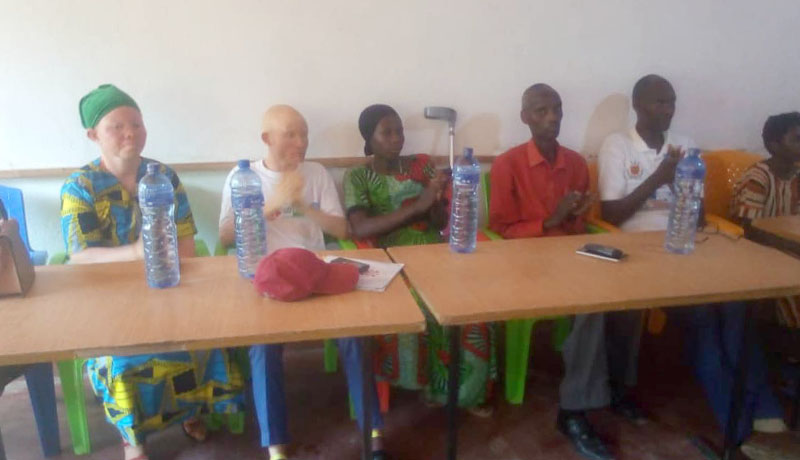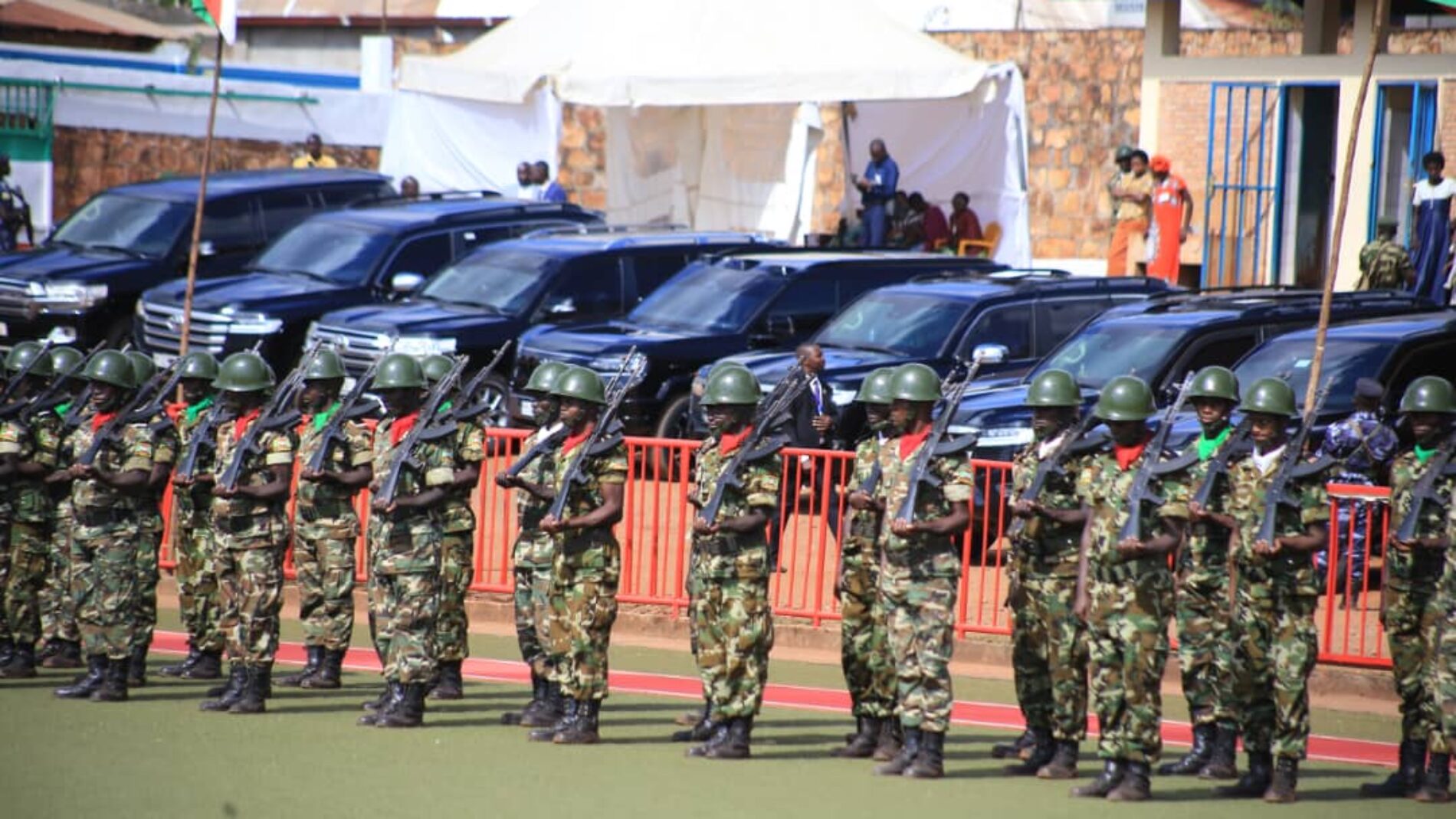
A presidential prayer event organized in Muyinga, Buhumuza province, northeastern Burundi, has drawn scrutiny amid reports of forced contributions and mandatory participation. The event coincided with the sixth anniversary of President Évariste Ndayishimiye's mandate, a significant milestone in his presidency. The contributions for the prayer gathering occurred during a challenging economic period in Burundi, marked by a continuous deterioration of living conditions for its citizens. The nation is currently experiencing a rising cost of living, significant fuel shortages, and a reduction in purchasing power, impacting many households across the country. This economic downturn has created a difficult environment for citizens, making demands for financial contributions particularly burdensome. The event, held in the regional administrative center of Muyinga, brought together a diverse range of participants under these strained circumstances.
Details of Forced Mobilization
The prayer event took place on June 19, 2026, a date that had been widely publicized across the region. Prior to the gathering, a full mobilization campaign was reportedly conducted across various sectors, including communes, public services, schools, health facilities, and community organizations. This extensive campaign aimed to ensure widespread participation and financial support for the presidential prayer. The mobilization efforts reportedly reached deep into the local communities, touching upon nearly every facet of public life and civic engagement.
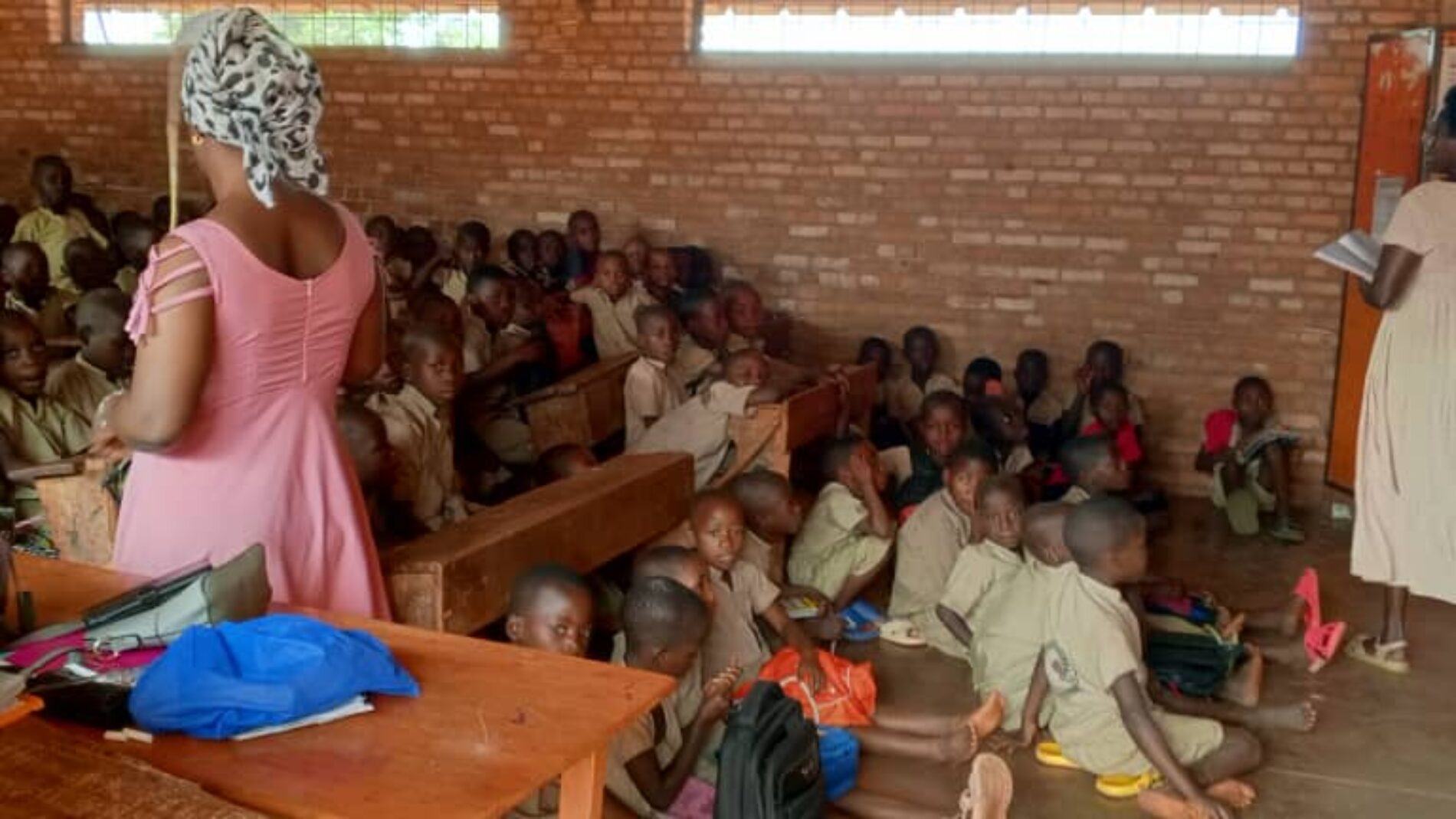
During this mobilization, public institutions, such as local hospitals and schools, reportedly participated in the collection of funds. These institutions, often reliant on public funding themselves, were reportedly tasked with gathering contributions from their staff and, in some cases, from the communities they serve. School principals, administrative officials, and certain public service managers were reportedly asked to contribute amounts ranging from 10,000 to 20,000 Burundian francs. These requests were reportedly communicated through official channels, leaving little room for refusal. The involvement of public institutions in the collection process showed the organized nature of the fundraising efforts.
As part of the event's preparations, participants received pagne (wraps) distributed by the Presidency. These pagne served as official uniforms for those attending the prayer gathering, creating a visual sense of unity and mandated attendance. The distribution of these specific garments further emphasized the official and obligatory nature of participation. The requirement to wear the designated pagne also served as an identifier for those who had complied with the directives for attendance, reinforcing the managed aspect of the event.
Economic Hardship and Citizen Frustration
Rural households were reportedly asked to contribute 2,000 Burundian francs each towards the event, a sum that, while seemingly small, represents a significant burden for families struggling with daily expenses. Merchants, economic operators, and holders of ministerial orders faced demands for higher contributions, ranging between 50,000 and 100,000 Burundian francs, or more. These substantial requests placed considerable pressure on businesses and individuals holding positions of influence. The reported requests for funds have generated frustration among various groups, who view these demands as an additional strain on their already limited resources.
Members of the ruling CNDD-FDD party reportedly expressed discontent over the demanded contributions, particularly in light of the additional travel expenses incurred to attend the event. Even those affiliated with the governing party found themselves grappling with the financial implications of participation, noting the widespread nature of the economic pressure. This comes as Burundi continues to face significant economic challenges, impacting its citizens' daily lives. The country is currently experiencing shortages of essential goods, including fuel and foreign currency, according to reports. These economic pressures are contributing to a difficult environment for both individuals and businesses, making the mandated contributions even harder to bear. The continuous deterioration of living conditions, coupled with a rising cost of living and reduced purchasing power, has created a climate of economic anxiety across the nation. Fuel shortages, in particular, have disrupted transportation and daily commerce, exacerbating the financial strain on households and businesses alike.
Voices of Dissent and Fear
Teachers and basic civil servants were reportedly asked to contribute 5,000 Burundian francs per person for the presidential prayer event. These individuals, who form the backbone of public services, often operate on modest salaries, making such contributions a considerable financial sacrifice. Beyond financial requests, reports indicate a broad mobilization effort that included teachers, civil servants, merchants, administrative officials, final-year students, job seekers, and members of local associations, all reportedly compelled to participate in the gathering. The widespread nature of this mobilization suggests a concerted effort to ensure a large and visible turnout for the presidential prayer. Many participants reportedly felt they had no choice but to attend, fearing potential repercussions for non-compliance.
Amid these reported demands, warnings were also issued, reportedly aimed at preventing the dissemination of documents that could prove the requested contributions. These instructions reportedly circulated across various administrative levels, seeking to control information regarding the financial participation and to suppress any evidence of forced payments. This alleged attempt to conceal proof of contributions further intensified the atmosphere of pressure and fear among those affected. The warnings show a desire to manage the narrative surrounding the event and to avoid official documentation of the mandatory financial requirements.
Human rights organizations have concurrently reported a deterioration of the overall situation in Burundi. These organizations cite an increase in targeted assassinations, kidnappings, torture, and the discovery of bodies, contributing to a climate of fear that permeates society. This broader context of human rights concerns adds to the pressure experienced by citizens and officials asked to contribute to and attend such events. The widespread fear of reprisal for dissent or non-compliance creates an environment where individuals may feel compelled to participate in activities like the prayer event, even if they harbor reservations or face financial hardship. The reported human rights abuses contribute to a general atmosphere of insecurity, making it difficult for citizens to openly express grievances or resist official directives without fear of severe consequences.