Burundi and the Democratic Republic of Congo (DRC) frequently invoke Rwanda in their political discourse, according to reports from regional observers. This practice, often linked to internal and external political dynamics, is a recurring theme in the public statements and diplomatic interactions of both nations. The consistent referencing of Rwanda by officials in Bujumbura and Kinshasa notes a persistent and complex regional dynamic, showing the intricate and often volatile relationships that define the Great Lakes region. This repeated invocation is not merely incidental but appears to be a calculated element within their respective political strategies.
The Rwandan Specter
The invocation of Rwanda by leaders in Burundi and the Democratic Republic of Congo is frequently employed as a strategic tool, according to analysis. This practice often serves to divert public attention from domestic challenges or to consolidate political backing internally. By framing Rwanda as an external threat or a destabilizing force, Burundian and Congolese administrations can shift focus away from their own governance issues, economic difficulties, or internal conflicts. This approach also allows them to rally nationalist sentiment and garner support against a perceived common adversary. The article presenting this perspective is an opinion piece, offering a particular interpretation of regional political dynamics. It suggests that the recurring references to Rwanda by officials in Bujumbura and Kinshasa are not merely reactions to events but calculated political maneuvers designed to achieve specific domestic and international objectives. This strategic use of Rwanda as a political narrative is a significant aspect of contemporary regional diplomacy.
Diverting from Domestic Woes
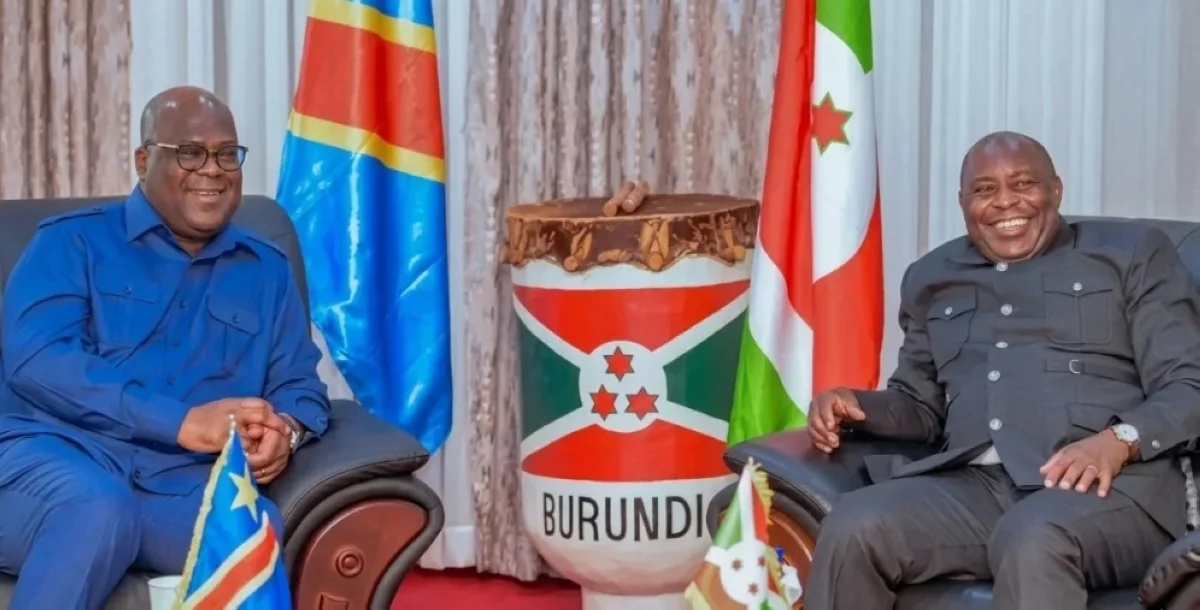
The strategy of invoking Rwanda is often utilized by leaders in Burundi and the Democratic Republic of Congo to redirect public attention from internal issues. This approach allows administrations in Bujumbura and Kinshasa to consolidate political support by framing Rwanda as an external threat. This tactic is particularly effective in diverting scrutiny from pressing domestic problems that might otherwise undermine public confidence in the government. Félix Tshisekedi, for instance, has frequently linked Rwanda to the ongoing conflict in eastern DR Congo, attributing regional instability to Rwandan interference. This narrative helps to explain persistent security challenges by externalizing blame, thereby lessening pressure on his administration to address internal governance failures or military shortcomings. Similarly, Évariste Ndayishimiye has publicly accused Rwanda of supporting Burundian rebel groups, thereby deflecting scrutiny from domestic governance challenges within Burundi. Such accusations create a common enemy, allowing leaders to unite populations against a perceived external threat. This tactic can galvanize nationalist sentiment and unite populations against a perceived common adversary, shifting focus away from economic difficulties or internal political strife. Amb. Joseph Mutaboba has observed that this narrative serves to rally support for the incumbent governments, providing a convenient explanation for complex problems and fostering a sense of national unity against an external foe. The invocation of Rwanda is thus often used to deflect from internal issues or to rally support.
Rallying the Base
The consistent portrayal of Rwanda as an external threat by leaders in Burundi and the Democratic Republic of Congo serves to rally nationalist sentiment. This strategy aims to unite populations against a perceived common adversary, thereby consolidating support for the incumbent governments. By presenting Rwanda as a source of instability or aggression, leaders can foster a sense of shared purpose and patriotism among their citizens, diverting attention from any internal divisions or discontent. In the Democratic Republic of Congo, President Félix Tshisekedi’s public statements frequently link Rwanda to the ongoing conflict in the eastern regions of the country. This narrative attributes regional instability to Rwandan interference, a claim that resonates with many Congolese citizens who have experienced years of conflict and displacement. Similarly, Burundian President Évariste Ndayishimiye has publicly accused Rwanda of supporting Burundian rebel groups, framing Rwanda as a destabilizing force that undermines Burundi’s security. Such accusations redirect public attention from domestic governance challenges within Burundi and allow administrations to galvanize their political base, shifting focus away from internal economic difficulties or political strife. This strategic communication reinforces the legitimacy of the current leadership by positioning them as defenders of national sovereignty and stability against external threats.