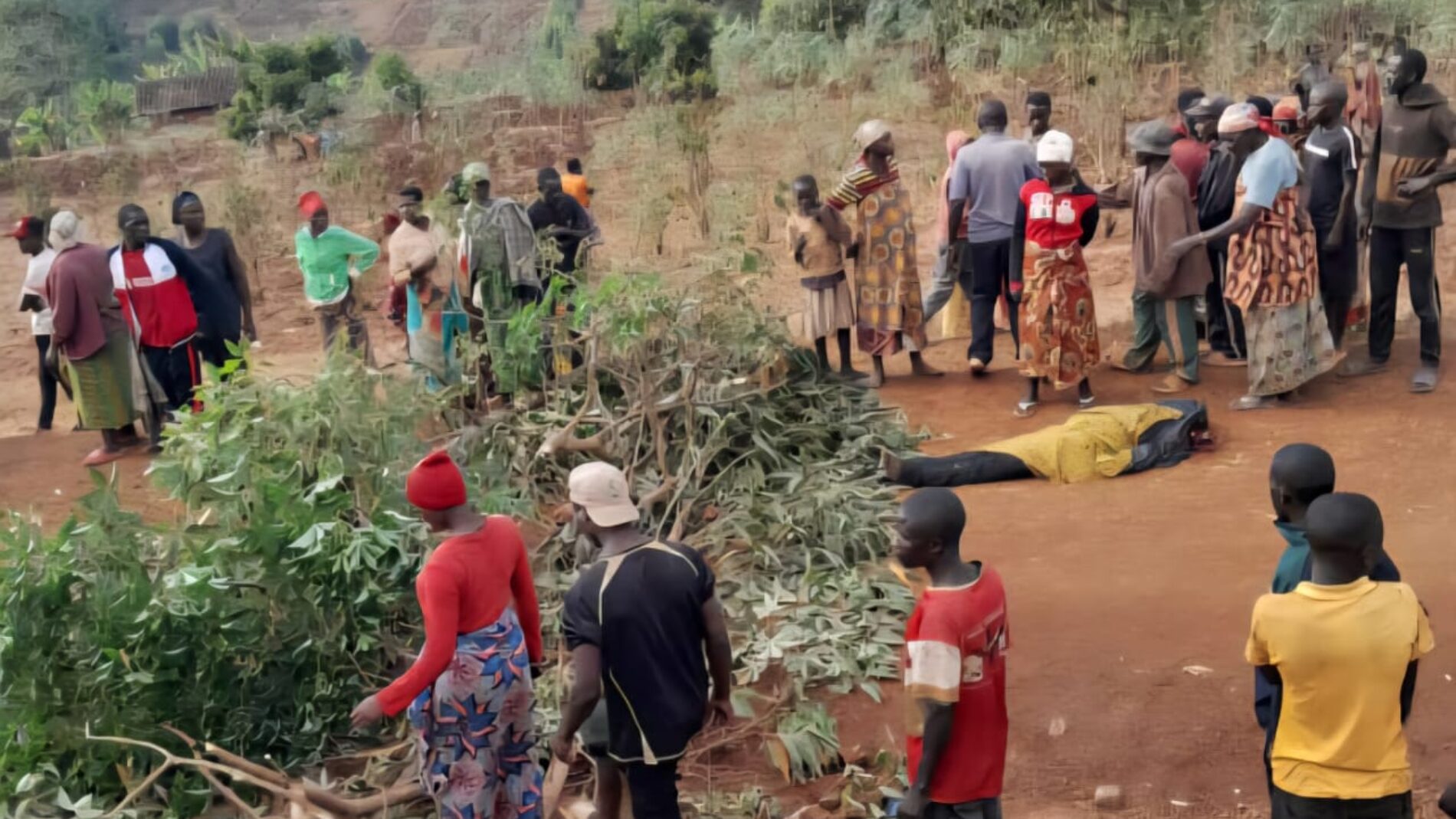
Désiré Nshimirimana, 25, was killed by a police bullet on Gaterama hill in Bugendana commune, Gitega province, following a violent incident involving law enforcement officers at a residence. Police officers had gone to Joseph Bandora's home to make arrests related to an ongoing land dispute that has been a source of tension in the community. During the operation, which quickly escalated into a confrontation, a police officer allegedly fired a shot. The bullet struck Désiré Nshimirimana in the chest, resulting in his immediate death. This tragic event has ignited widespread anger and calls for justice among local residents.
The alleged perpetrator of the fatal shooting has been identified as Raphaël Nduwimana, who serves as the chief of the Gitongo police post. His involvement in the incident has placed him at the center of the controversy and subsequent investigation. The incident involving Mr. Nshimirimana has drawn significant attention to the escalating tensions surrounding land disputes in the area, noting the volatile nature of such conflicts when law enforcement becomes involved. The community's reaction shows a deep-seated concern over police conduct and accountability in Gitega province.
Deadly Confrontation Over Land Dispute
The fatal incident unfolded at dawn on Tuesday, August 25, 2026, when law enforcement officers arrived at Joseph Bandora's residence with the intention of making arrests. These arrests were specifically linked to an existing land dispute, the details of which had already contributed to local unrest. As police attempted to carry out their operation, an altercation erupted. Residents of the area vehemently opposed the police presence and intervention, leading to a tense and rapidly escalating confrontation.
During the ensuing clash, Désiré Nshimirimana, 25, became a casualty when he was struck by a police bullet. He died instantly from the gunshot wound to his chest. Romuald Habonimana, the chief of Gaterama hill, where the incident took place, subsequently confirmed the sequence of events, lending official corroboration to the community's account of the morning's tragic developments. The confrontation at Mr. Bandora's home, and the subsequent death of Mr. Nshimirimana, has become a flashpoint for grievances against local authorities.
Following Nshimirimana's death, residents expressed their profound anger and grief through immediate and decisive action. They swiftly moved to block the Bugendana-Kibimba road, a vital thoroughfare connecting various parts of the region. The road remained impassable for nearly two hours as the community protested the actions of the police and demanded accountability for the death of one of their own. This act of civil disobedience showed the depth of their outrage. The blockage was eventually cleared only after authorities from Gitega, the political capital of Burundi, intervened to de-escalate the volatile situation. Their intervention was key in restoring order and allowing traffic to resume. Désiré Nshimirimana's body was subsequently transported to the morgue of Kibimba hospital for further procedures, including an autopsy, which is expected to provide more details on the cause of death. The immediate aftermath of the shooting noted the community's demand for justice and transparency.
Arrests and Community Demands
In the wake of the shooting, Raphaël Nduwimana, identified as the chief of the Gitongo police post and the alleged perpetrator of the shooting, has been arrested. He is currently being held in police custody in Bugendana, pending further investigation into his role in Mr. Nshimirimana's death. This arrest signals a formal acknowledgment by authorities of the seriousness of the allegations against him.
Concurrently, six other individuals were also taken into custody in connection with the incident at Joseph Bandora's residence. These individuals have been identified as Duido Nahimana, Venant Ndayisenga, Olivier Nkurunziza, Remy Bigirimana, Édouard Bigirimana, and Rénovat Nimbona. They are being held for investigation, with authorities likely seeking to understand their involvement in the altercation that led to the fatal shooting. The arrests of multiple individuals show the complexity of the incident and the ongoing efforts by law enforcement to piece together the events of that fateful morning.
Residents of Gaterama, the hill where Désiré Nshimirimana was killed, have been vocal in their demands for justice. They are calling for an independent investigation into the circumstances of his death, emphasizing the need for an impartial inquiry to uncover the full truth. They have specifically called for the immediate arrest of the officer they hold responsible for the shooting, a demand that has been partially met with the detention of Raphaël Nduwimana. In a related development, residents of Gitongo, the area where Mr. Nduwimana served as police chief, have voiced similar demands. They specifically called for the police chief to be brought to justice for his alleged role in the fatal shooting, indicating a widespread desire for accountability across different communities affected by the incident. The arrests and community demands highlight the ongoing tensions and calls for accountability following the death of Désiré Nshimirimana amidst a land dispute, further intensifying the scrutiny on police operations in the region.
Broader Context of Violence and Rights Concerns
The death of Désiré Nshimirimana is not an isolated incident in Gitega province. Just two days prior, Isaac Habonimana, 39, died on Gitongo hill on Sunday, August 23, 2026. Mr. Habonimana allegedly succumbed to injuries after being severely beaten, adding another layer to the community's concerns about security and justice. Dieudonné Bizimana, the chief of Gitongo hill, stated that Mr. Habonimana had been accused of disturbing security in a bar prior to his death, an accusation that residents fear may have led to the fatal beating. The proximity of these two deaths, both under violent circumstances and involving allegations of misconduct, has amplified calls for thorough investigations and accountability from authorities.
These deaths occur amidst broader and deeply troubling concerns regarding violence and human rights in the region. The situation in Gitega province, and indeed across Burundi, has been under increasing scrutiny from various organizations. SOS Médias Burundi, a reputable local news source, has reported approximately eighty cases of corpses or assassinations in Gitega province alone since the beginning of the year. This alarming statistic paints a stark picture of a widespread climate of insecurity and violence that has gripped the region. These incidents contribute significantly to a climate of insecurity that has drawn considerable attention from both international and local bodies, raising serious questions about the protection of citizens and the rule of law.
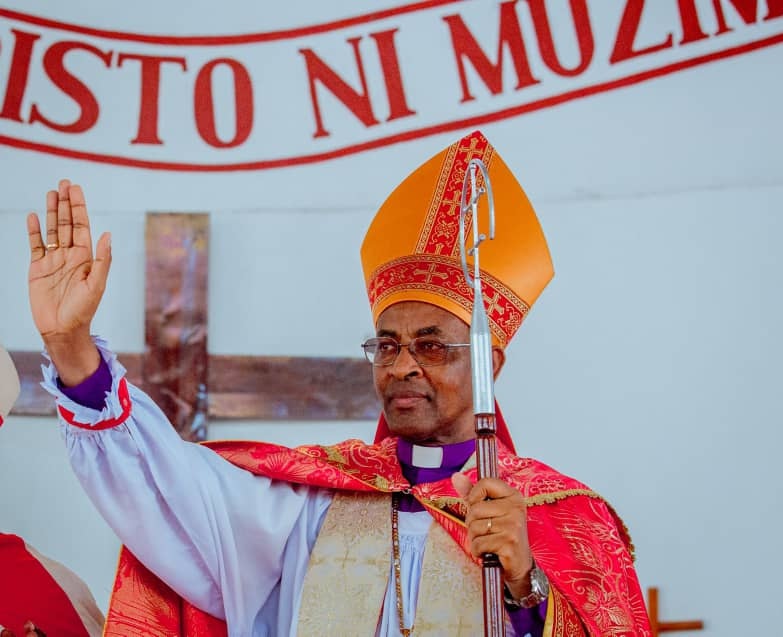
The human rights situation in Burundi has also been a subject of international concern. Catholic bishops of Burundi have been vocal in expressing their concerns regarding human rights and security conditions within the country. Their statements carry significant weight and reflect a deep unease within religious institutions about the state of affairs. Similarly, UN Special Rapporteur Fortuné Gaëtan Zongo has also publicly expressed concerns regarding human rights and security conditions within the country, echoing the sentiments of the Catholic bishops and other observers. These statements from prominent religious and international figures show the ongoing anxieties about stability and the rule of law in Burundi. In a notable reaction to these concerns, President Évariste Ndayishimiye has publicly criticized the Catholic bishops in response to their expressions of concern, indicating a potential rift between the government and civil society regarding the assessment of the country's human rights record. The recent deaths in Gitega province are therefore seen by many as further evidence of the systemic issues that these various bodies have noted.