UNICEF published its Burundi Humanitarian Situation Report No. 20 on May 31, 2026, detailing a complex humanitarian situation in the country. The report, which provides a full overview of the prevailing conditions, indicated that Burundi faced significant population movements and regional health risks during May 2026. This assessment shows ongoing challenges related to displacement, public health concerns, and the broader need for humanitarian assistance within the nation. The report notes the multifaceted nature of these challenges, requiring sustained attention and coordinated efforts from humanitarian partners and the Government of Burundi.
Population Movements and Returns
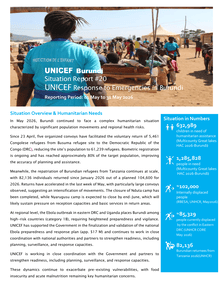
Significant population movements, both internal and cross-border, continued to shape the humanitarian landscape in Burundi during the reporting period. Since April 23, five organized convoys facilitated the voluntary return of 5,461 Congolese refugees from Busuma refugee site to the Democratic Republic of the Congo (DRC). These carefully managed returns are part of ongoing efforts to support displaced populations in finding sustainable solutions. Following these movements, the population of Busuma refugee site was reduced to 61,239 refugees, according to the latest UNICEF report. This reduction reflects the impact of the voluntary repatriation initiatives. The report also indicated that biometric registration efforts have reached approximately 80% of the target population within these contexts, providing a more accurate and strong understanding of the refugee demographics and needs. This registration process is key for effective humanitarian planning and resource allocation.
Meanwhile, Burundi has also seen a substantial number of its own citizens returning from neighboring countries. A total of 82,136 Burundian refugees have returned from Tanzania since January 2026, marking a significant repatriation effort. The planned number of Burundian returnees from Tanzania for the year 2026 is set at 104,600, indicating that current return figures are well on track to meet this target. These returns represent a key step towards rebuilding communities and supporting reintegration efforts within Burundi. In related developments concerning refugee settlements in Tanzania, the closure of Nduta camp has been completed, affecting thousands of refugees who were residing there. Additionally, Nyarugusu camp, another major refugee settlement in Tanzania, is expected to close by the end of June. The impending closure of Nyarugusu camp will further impact population movements in the region, necessitating careful planning and support for the affected individuals, whether through repatriation to Burundi or resettlement elsewhere.
Regional Health Risks
The public health sector in Burundi remains on high alert due to regional disease outbreaks. The Ebola outbreak in eastern Democratic Republic of the Congo (DRC) and Uganda has positioned Burundi among countries designated as high-risk, specifically categorized as 1B, according to UNICEF. This classification reflects a heightened concern for public health within the region and emphasizes the need for strong preparedness measures. The proximity to ongoing outbreaks necessitates constant vigilance and proactive strategies to prevent cross-border transmission.
In response to this potential threat, UNICEF supported the Government of Burundi in developing its national Ebola preparedness and response plan. This full plan, which has been finalized and validated, carries an estimated budget of $17 million. The substantial budget reflects the significant resources required for effective epidemic preparedness, including surveillance, rapid response teams, public awareness campaigns, and the provision of essential medical supplies. This initiative aims to bolster Burundi's capacity to address any potential spread of the virus from neighboring affected areas, thereby protecting its population. The support from UNICEF shows the international community's focus on proactive measures to mitigate regional health crises and prevent widespread outbreaks within vulnerable countries. The validation of the plan marks a critical step in strengthening Burundi's health infrastructure against such threats.
Humanitarian Needs Overview
Burundi faces significant humanitarian challenges, with a large segment of its population requiring assistance. According to the Multicounty Great Lakes Humanitarian Action for Children (HAC) 2026-Burundi report, a total of 1,285,828 people have been identified as being in need of assistance across the country. This substantial figure notes the widespread impact of various crises on the Burundian population. Among those requiring support, 632,989 are children, as detailed in the same UNICEF-backed assessment. The disproportionate impact on children shows the urgent need for child-focused humanitarian interventions, including access to nutrition, health services, education, and protection.
The country also contends with internal displacement, a persistent challenge that exacerbates humanitarian needs. Approximately 102,000 people are internally displaced within Burundi, according to data from the RBESA and UNHCR from May 2026. These internally displaced persons (IDPs) often face precarious living conditions, limited access to basic services, and heightened vulnerability. Separately, the ongoing conflict in Eastern Democratic Republic of the Congo (DRC) has led to the displacement of an estimated 85,329 people. This figure is based on UNHCR's CORE data from May 2026, indicating a regional dimension to the humanitarian situation impacting Burundi, as these displacements often create cross-border pressures and contribute to regional instability. The continuous monitoring of these displacement figures is essential for humanitarian agencies to effectively plan and deliver aid to those most in need.