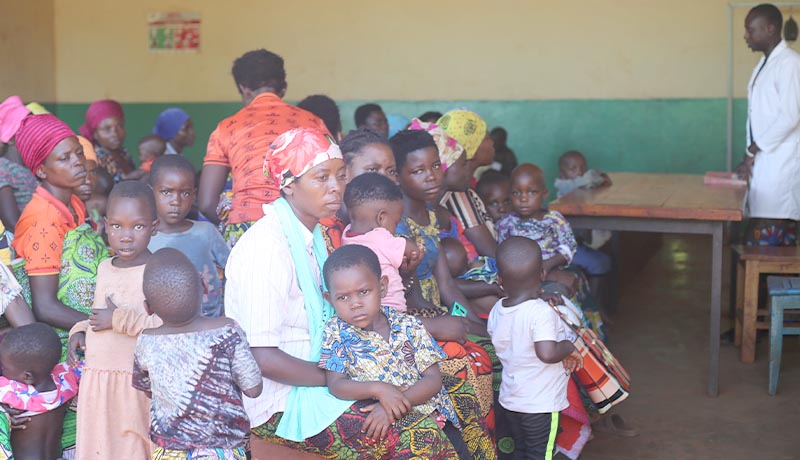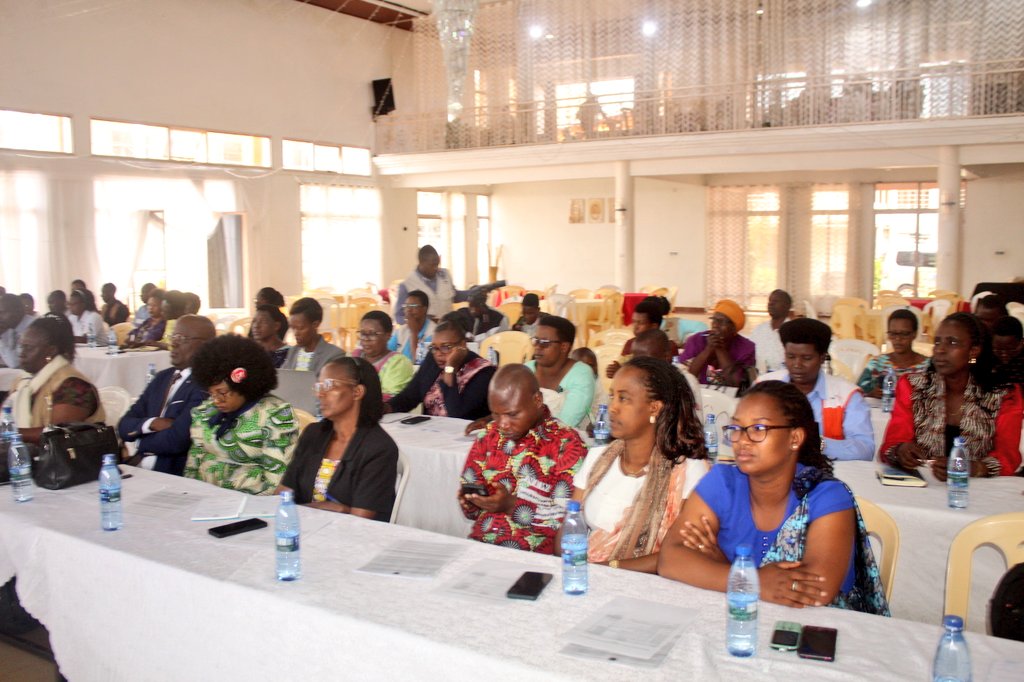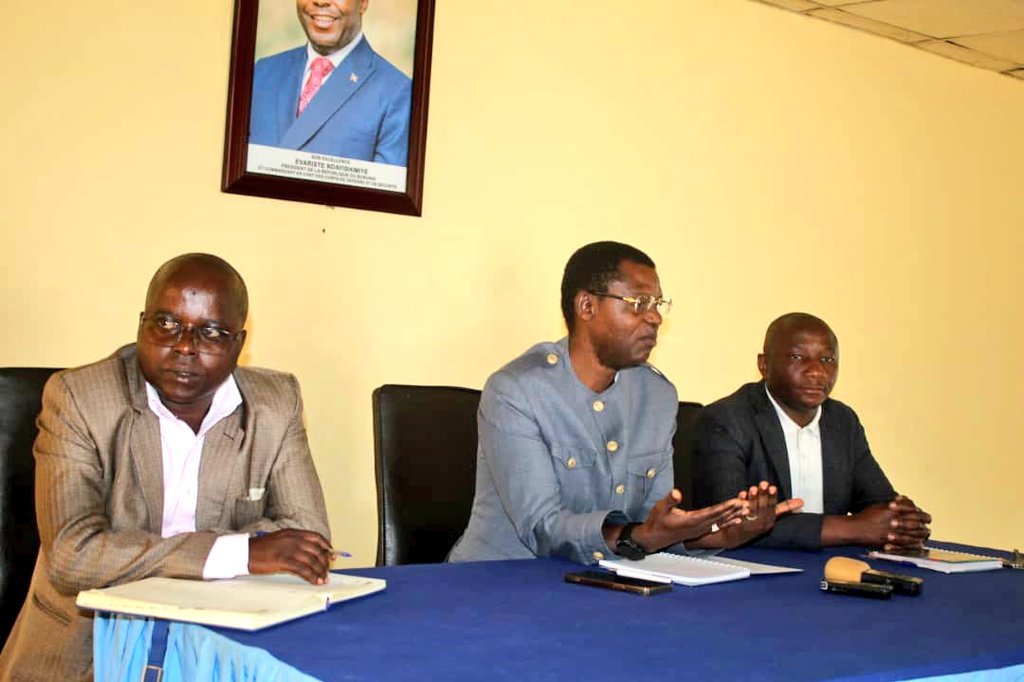
The United Methodist Church of Burundi held a significant meeting on May 22, 2026, in the province of Butanyerera, bringing together seed multipliers to encourage widespread sunflower cultivation. This key gathering was directly led by Mgr Emmanuel Sinzohagera, Bishop of the United Methodist Church of Burundi. The church has articulated clear plans to launch into sunflower cultivation and transform the harvested seeds into edible oil, a strategic move intended to supplement its existing evangelization and development activities across the nation. During the meeting, the United Methodist Church of Burundi specifically requested seed multipliers present in Butanyerera province to integrate sunflower cultivation into their agricultural activities. This ambitious initiative also includes concrete plans for a dedicated sunflower oil processing plant to be established in the neighboring province of Burunga, ensuring a complete value chain from farm to finished product.
Project Goals and Farmer Engagement
All Burundians, predominantly farmers, are cordially invited to participate in this transformative sunflower cultivation project by signing formal contracts with the United Methodist Church, according to statements released by the organization. The church has affirmed that this initiative directly supports the overarching objectives of the National Vision for Burundi, aiming to contribute significantly to the country's agricultural and economic development.
The project outlines a clear and supportive operational model designed to empower local farmers. Under this framework, the United Methodist Church will provide essential seeds to participating farmers, ensuring they have the necessary resources to commence cultivation. Following a successful growth cycle, the church commits to purchasing the resulting sunflower harvests directly from these farmers. This structured engagement is meticulously designed to ensure a consistent and reliable supply chain for the future edible oil production, fostering a symbiotic relationship between the church and the agricultural community.
The initiative is expected to significantly boost sunflower production within the Butanyerera province. This region is already familiar with sunflower cultivation, which is currently grown there, and presently hosts an existing edible oil production plant, creating a strong foundation for the new project's expansion efforts and offering potential for synergy with existing infrastructure. However, the United Methodist Church has indicated that the current available quantities of sunflower in Butanyerera are insufficient to meet the ambitious goals set for this new project, showing the necessity for increased cultivation.
Agricultural Context and Potential
Sunflower cultivation in Burundi has experienced a regression in recent times, primarily due to a notable lack of adequate processing industries, according to assessments from the United Methodist Church. The church noted sunflower as an internationally recognized crop, widely valued for its capacity to produce good quality, highly appreciated, revenue-generating, and exportable oil. Beyond its economic benefits, the plant boasts a relatively short growth cycle of only three months, which contributes significantly to its agricultural potential by allowing for quicker returns and potentially multiple harvests within a year. For effective cultivation, between 5 and 7 kilograms of seeds are sufficient per hectare, making it a relatively efficient crop in terms of seed input. Under optimal conditions, which critically include sufficient rainfall and good fertilizer input, a promising yield of approximately one ton per hectare is expected from sunflower crops, offering substantial returns for farmers.
Bishop's Vision for Development
The United Methodist Church indicated that the current quantities of sunflower available in Butanyerera province are insufficient to meet the project's ambitious goals, necessitating a substantial increase in production. For Burundi to develop agriculturally, the transformation of farm products for export is key for generating foreign currency, according to Mgr Emmanuel Sinzohagera. He articulated his vision, stating, "Pour que le Burundi se développe par l’agriculture, il est nécessaire de mettre davantage l’accent sur la transformation des produits agricoles, afin qu’ils puissent être exportés et générer des devises pour le pays." This statement, emphasizing the need for agricultural product transformation, shows the church's broader vision of economic empowerment through agricultural industrialization. This strategic approach aims to bolster the nation's export capabilities and secure valuable foreign exchange, thereby contributing to national economic growth and stability.
Expert and Official Support
The project benefits from the expertise of Josiane Manirakiza, who is not only an expert in sunflower cultivation but also serves as the head of the development agency within the United Methodist Church, providing key technical and strategic guidance. Cyriaque Nikoyagize holds the influential position of legal and political advisor to the governor, contributing official and governmental insight to the initiative, noting broad support for the project's success.