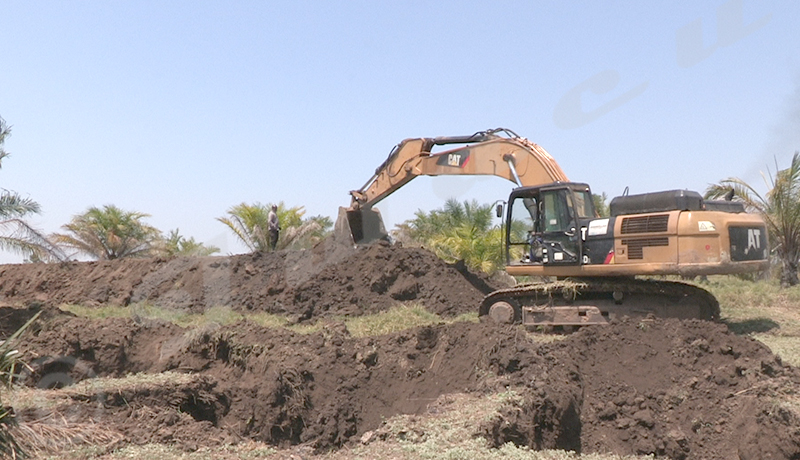
Burundi's Ministry of Infrastructure, Social Housing, Transport and Equipment organized an information workshop on the Uvinza-Musongati railway project on Tuesday, September 15, 2026. This workshop addressed the ongoing preparatory work for the railway line, which connects Uvinza to Musongati. Preparatory activities include current feasibility studies and the delivery of some project equipment to the designated site. These steps are part of the broader effort to advance the Uvinza-Musongati railway initiative, signaling significant progress in its development. The preparatory work is key for laying the groundwork for the successful implementation of this ambitious infrastructure project.
Economic and Social Benefits
The Uvinza-Musongati railway project is expected to significantly develop trade and exchanges, according to project proponents. One of the main expected benefits of the Uvinza-Musongati railway project specifically concerns the development of trade and exchanges, fostering greater economic activity. The construction of this railway link will strengthen Burundi's connection to regional transport networks, enhancing its access to both regional and international markets. Officials anticipate the new infrastructure will improve Burundi's economic integration within East Africa, creating new opportunities for commerce and collaboration. This enhanced connectivity is vital for a landlocked country like Burundi, providing more efficient routes for goods and people.
The railway's construction is projected to reduce the cost of transporting goods, thereby facilitating commerce and benefiting consumers. It will also contribute to the easier movement of people between locations, improving accessibility and social cohesion. Beyond economic advantages, the project is designed to foster the development of new professional skills within Burundi. These skills include expertise in railway transport operations, maintenance, logistics, and various engineering disciplines, creating a more skilled workforce for the nation. The project will specifically help develop new professional skills in areas such as railway transport, maintenance, logistics, and engineering, contributing to long-term human capital development.
Project Scope and Requirements
Consolateur Nitunga, an advisor in the cabinet of the Permanent Secretary within the Ministry of Infrastructure, Social Housing, Transport and Equipment, stated the construction and operation of the railway will create significant needs in several areas. Nitunga emphasized that the project is a complex undertaking requiring extensive resources and planning. Aaron Niyungeko, coordinator of UGP-Burundi (Project Management Unit for the Railway), confirmed the project is estimated to require 100 MW of electricity for its operations. This substantial power demand notes the scale of the railway's planned functionality. Burundi's current electricity capacity stands at 174 MW. To address the increased demand, the state-owned Regideso company is planning the upcoming construction of several hydroelectric dams, which are expected to boost the nation's overall electricity capacity. This expansion aims to ensure sufficient power supply for the railway's long-term functionality, demonstrating a coordinated approach to infrastructure development. The upcoming construction of hydroelectric dams by Regideso will be instrumental in increasing the national electricity capacity to meet the demands of the railway and other growing sectors.
Official Statements and Timeline
The Uvinza-Musongati railway project is described as a structuring initiative with economic, commercial, industrial, and social dimensions. This endeavor aims to improve transport infrastructure, which can enhance the supply of raw materials to industries and facilitate the evacuation of finished products to various markets. Better transport infrastructure, such as this railway, can significantly improve the supply of raw materials to industries and facilitate the evacuation of finished products to markets, thereby boosting industrial output and trade. Officials state the realization of this railway will contribute to the creation of both direct and indirect employment opportunities during its construction and subsequent operation phases, providing a significant boost to the local job market. The project has an established end date of March 21, 2031, indicating a clear timeline for its completion and operational commencement, showing the commitment to its timely delivery.