Violent clashes erupted in the highlands of Fizi and Mwenga territories, South Kivu, beginning Monday, pitting the FARDC against the Twirwaneho movement. These intense confrontations mark a significant escalation in the ongoing regional instability. The FARDC, the armed forces of the Democratic Republic of Congo, supported by the Burundian army and Wazalendo militias, is engaged in fighting with the Twirwaneho movement, which is allied with the AFC-M23 coalition. This complex and multi-faceted conflict involves multiple armed groups and regional armies, creating a volatile security situation in the eastern part of the country. The fighting, which commenced on Monday, has drawn in various actors with differing allegiances and objectives, further complicating efforts to achieve lasting peace and stability in the region.
In a statement published Tuesday, the FARDC claimed its forces had retaken control of Mikenge, Kalingi, and Kakenge following several days of intense fighting in the area. The Congolese military’s statement noted their operational successes against the Twirwaneho movement and its allies. However, the statement did not provide further details on casualties sustained by either side or the current disposition of forces on the ground. This lack of specific information makes independent verification of the claims challenging, a common characteristic of conflict reporting in the region. The FARDC’s assertion of control over these strategic locations indicates a dynamic and shifting frontline in the ongoing hostilities.
Escalating Conflict and Drone Warfare
Fighting is concentrated in the localities of Kakenge, Mikenge, and Ilundu, according to reports from the region. These areas have become focal points for the intense military engagements between the warring factions. The Twirwaneho movement, a key player in the conflict, has issued its own counter-claims regarding the recent engagements. The movement claims to have successfully repelled an offensive by the FARDC towards Ilundu and Kakenge. This offensive, the Twirwaneho movement stated, involved FARDC forces supported by Burundian soldiers and Wazalendo militias, indicating the coordinated nature of the pro-government operations. The ongoing clashes have seen an increased use of advanced military technology, signaling a modernization of warfare tactics in the region.
Local sources in the area report a notable increase in the deployment of reconnaissance and attack drones by various belligerents involved in the clashes. This marks a significant technological shift in the nature of the fighting in Minembwe and the broader South Kivu region. The introduction of unmanned aerial vehicles (UAVs) provides new capabilities for surveillance, targeting, and direct engagement, altering the dynamics of ground combat. Congolese military sources have also made specific claims regarding drone usage by their adversaries. According to these sources, the AFC-M23 coalition and its allies utilized drones against positions held by the FARDC and the Burundian National Defence Force (FDNB). These drone attacks reportedly targeted sectors including Muramvya, Point Zéro, and Mikenge during May, indicating a sustained and strategic application of this technology. The introduction of drone warfare adds a new dimension to the already complex and multi-faceted conflict in South Kivu, raising concerns about the potential for increased precision strikes and collateral damage. The precise impact and effectiveness of these drone operations remain subject to ongoing assessment by military observers and local authorities, as they adapt to the evolving battlefield.
Regional Alliances and Military Support
Congolese security sources suggest Kinshasa promised Burundi advantages related to gold exploitation in Minembwe and other Fizi territory mining areas in exchange for military support. This alleged agreement shows the complex interplay between security concerns, natural resource wealth, and regional political alliances. These security sources also state that drones may have been supplied or shared with certain Burundian contingents involved in operations in South Kivu, further noting the depth of military cooperation. According to security observers, Burundian forces, in coordination with FARDC and Wazalendo, have been conducting offensives to regain control of Minembwe and surrounding areas since January 2026. These operations reportedly involve heavy weapons, drones, and military reinforcements in several sectors of South Kivu, demonstrating a significant commitment of resources to the campaign. The Burundian army recently carried out new redeployments in the region, indicating a sustained and possibly expanding military presence in support of the FARDC. In South Kivu, the AFC-M23 coalition relies on the Twirwaneho armed movement, composed mainly of young Banyamulenge community members. This local alliance provides the AFC-M23 with a key operational base and local knowledge. The M23 movement constitutes a main component of the AFC-M23 coalition, which is led by Corneille Nangaa, a prominent figure in the ongoing conflict. The M23 movement controls several strategic areas in North Kivu and South Kivu, giving the coalition significant territorial leverage and operational depth in the eastern Democratic Republic of Congo.
Complex Geopolitical Landscape
The AFC-M23 rebels withdrew from Uvira between December 2025 and January 2026, marking a significant, albeit temporary, shift in their operational footprint. AFC-M23 elements also withdrew from some positions in the Rusizi plain following international pressure, indicating the influence of external diplomatic efforts on the conflict dynamics. The M23 movement, as noted, is a main component of the AFC-M23 coalition, which is led by Corneille Nangaa. Nangaa’s leadership provides a unified command structure for the diverse elements within the coalition, aiming to coordinate their military and political objectives.
Congolese authorities regularly accuse Rwanda of supporting the AFC-M23, an allegation Kigali consistently denies. This accusation forms a central point of contention in the diplomatic relations between the two countries, fueling regional mistrust. Rwanda, in turn, accuses Kinshasa of collaborating with the Democratic Forces for the Liberation of Rwanda (FDLR), a Hutu rebel group active in eastern Congo, which Rwanda views as a threat to its security. Burundi accuses Rwanda of supporting armed groups operating against its territory and of harbouring annexation ambitions in eastern Democratic Republic of Congo, adding another layer of complexity to the regional rivalries. Rwanda counters these claims by accusing Burundi of collaborating with the FDLR and other groups hostile to Kigali, illustrating a cycle of mutual recrimination and distrust among the Great Lakes nations. These reciprocal accusations highlight the intricate and volatile geopolitical environment in the Great Lakes region, where historical grievances and contemporary security concerns intertwine to perpetuate cycles of conflict and instability. The involvement of neighboring states, whether alleged or confirmed, significantly complicates efforts to resolve the internal conflicts within the DRC.
Humanitarian Impact and Local Reactions
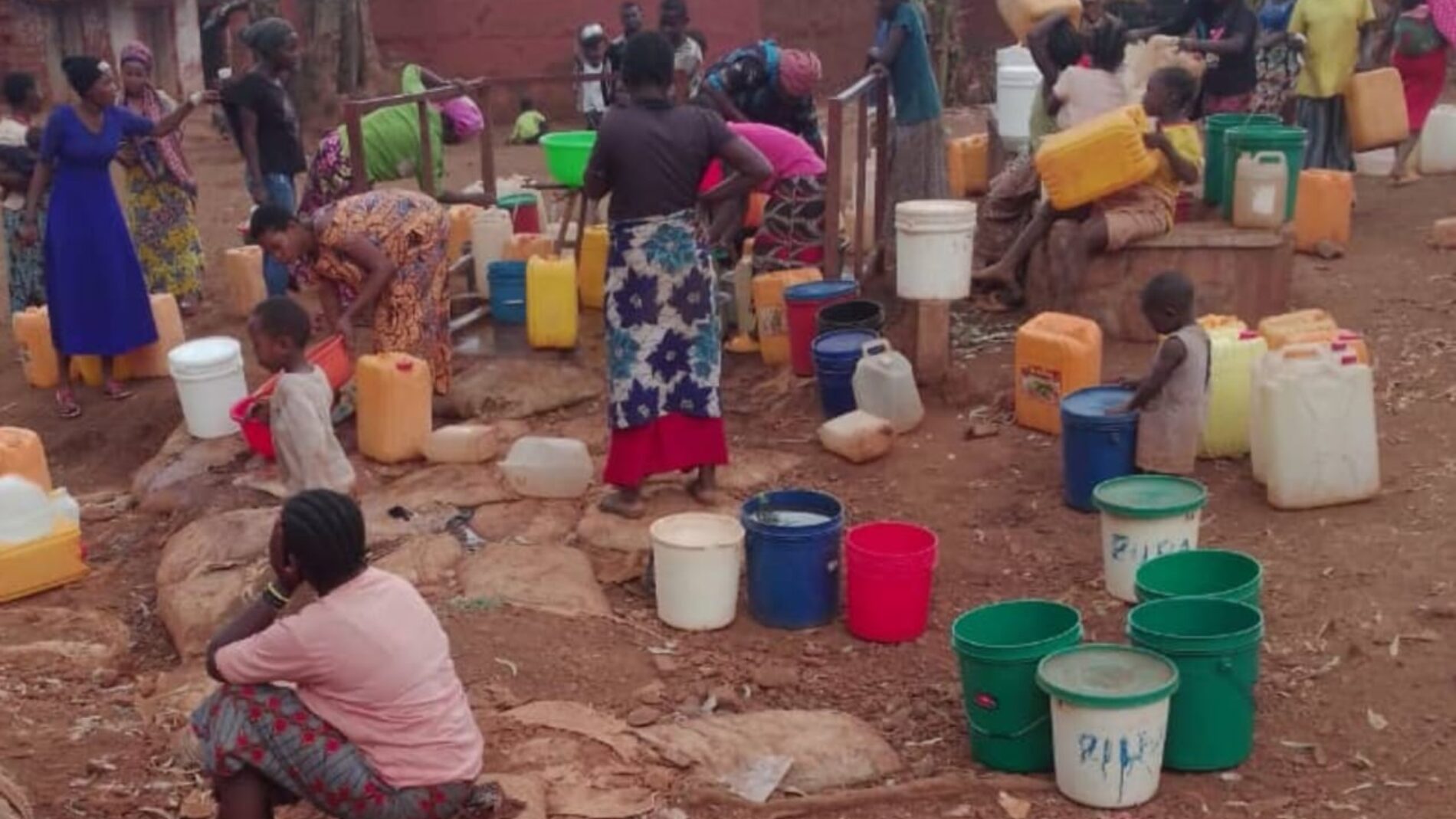
The fighting has caused massive displacement of civilian populations across Fizi and Mwenga territories, leading to a humanitarian crisis in the affected areas. Thousands of individuals have been forced to abandon their homes and livelihoods, seeking safety in displacement camps or with host families. Local sources report the widespread destruction or damage of several homes, schools, churches, and health structures in the affected areas, severely impacting essential services and infrastructure. This destruction exacerbates the humanitarian situation, making it difficult for displaced populations to return and rebuild their lives. The loss of infrastructure also hinders the delivery of humanitarian aid and restricts access to basic necessities for those who remain in conflict zones.
In response to the escalating conflict and its devastating consequences, the Banyamulenge community has organized protests in various countries, including the United States, Canada, Kenya, and Europe. These demonstrations serve to draw international attention to the plight of civilians in the Minembwe region and to advocate for greater protection and intervention. These protests specifically denounce the alleged use of drones against civilians in the Minembwe region, noting concerns about the indiscriminate nature of modern warfare and its impact on non-combatants. The highlands of South Kivu remain a complex and unstable epicenter in the Great Lakes region, according to local observations, characterized by persistent violence and insecurity. The ongoing violence continues to disrupt daily life and infrastructure for residents, creating a widespread sense of fear and uncertainty. The international community continues to monitor the situation, with calls for de-escalation and protection of civilians intensifying as the conflict persists. The long-term implications for regional stability and human development remain a significant concern for humanitarian organizations and diplomatic bodies.