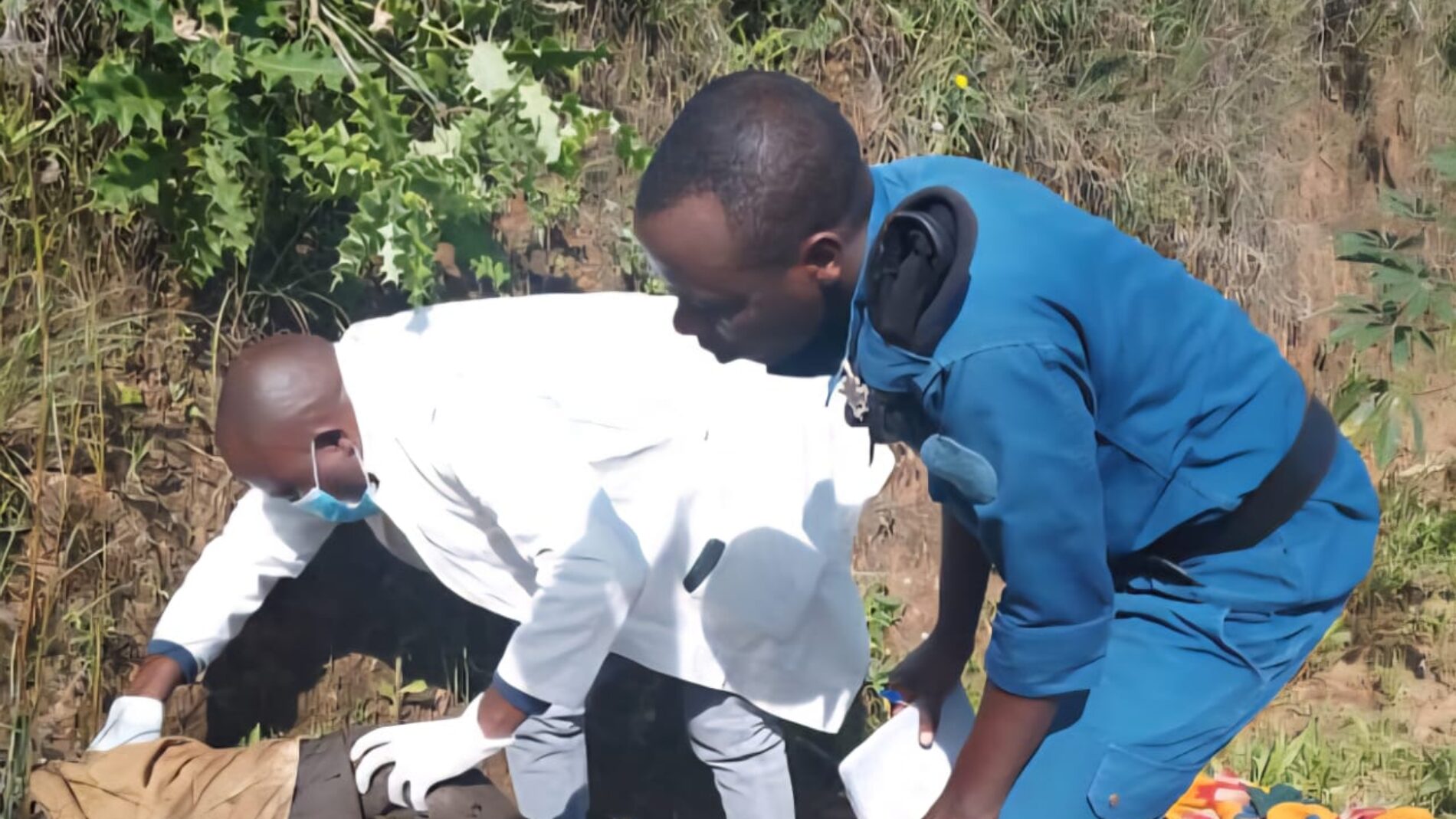
A 24-year-old woman, Evelyne Ndayizeye, was discovered dead on Wednesday, June 10, 2026, on the banks of the Nyakijanda river near Macu hill in Gitega, Burundi. The discovery was made specifically within the commune and province of Gitega, drawing immediate attention from local residents and authorities. A witness reported that the victim was allegedly bound before being left by the river, suggesting a violent and deliberate act. This grim finding has prompted a swift response from law enforcement. The Gitega police confirmed the discovery of Ms. Ndayizeye's body and announced that an investigation into the circumstances of her death has been opened, aiming to uncover the truth behind this tragic incident.
Circumstances of Discovery
Evelyne Ndayizeye's mobile phone was discovered near her body on the riverbank, providing a potential clue for investigators. Reports indicate that Ms. Ndayizeye had departed from her residence on Tuesday, June 9, 2026, for a scheduled meeting with an unidentified individual. Tragically, she never returned home after this meeting, leading to concerns that culminated in the discovery of her body the following day. The Gitega police have initiated a thorough inquiry, but as of now, authorities have not yet apprehended any suspects in connection with the case. The lack of arrests shows the early stages of the investigation and the challenges faced by law enforcement in piecing together the events that led to her death. The victim was interred on Wednesday, June 10, 2026, in Gisikara, a day marked by both the discovery of her body and her burial, noting the urgency and sorrow surrounding the incident.
Local and Regional Context
The community of Macu hill has been deeply affected by Evelyne Ndayizeye's death. Residents are now calling for independent investigations into the circumstances surrounding her passing, emphasizing the need for transparency and thoroughness beyond official police inquiries. When approached by journalists regarding the incident, Audace Nkwirikiye, the head of Macu hill, declined to comment, a stance that has been noted by the local press. This incident is not isolated within the region. The province of Gitega has frequently been cited by human rights organizations for numerous cases of suspicious deaths and discoveries of lifeless bodies since the previous year. This pattern has contributed to a climate of concern among the populace, with many fearing for their safety and demanding more effective responses from authorities. The repeated occurrence of such incidents in the province adds a layer of urgency to the calls for a full and impartial investigation into Ms. Ndayizeye's death.
Broader Concerns and Calls
The escalating frequency of these incidents has drawn attention from prominent institutions within Burundi. Catholic bishops in Burundi have expressed profound concern over the proliferation of similar incidents across the country. Their statement reflects a broader apprehension regarding the frequency of suspicious deaths and the discovery of bodies in various regions, extending beyond Gitega province. In response to this disturbing trend, the bishops urged authorities to strengthen investigations into these cases, calling for a more rigorous and effective approach to solving these crimes. They also emphasized the critical need for authorities to redouble efforts to ensure the safety of the population, thereby restoring public trust and deterring future occurrences. This call for increased scrutiny from a prominent religious institution notes the growing public demand for accountability and effective law enforcement. The concerns raised by the Catholic Church show the perceived need for more transparent and thorough processes in addressing these incidents, aiming to restore public trust and deter future occurrences. Their appeal emphasizes the importance of strong governmental action to protect citizens and to bring perpetrators of such crimes to justice, ensuring that justice is served for victims like Evelyne Ndayizeye.