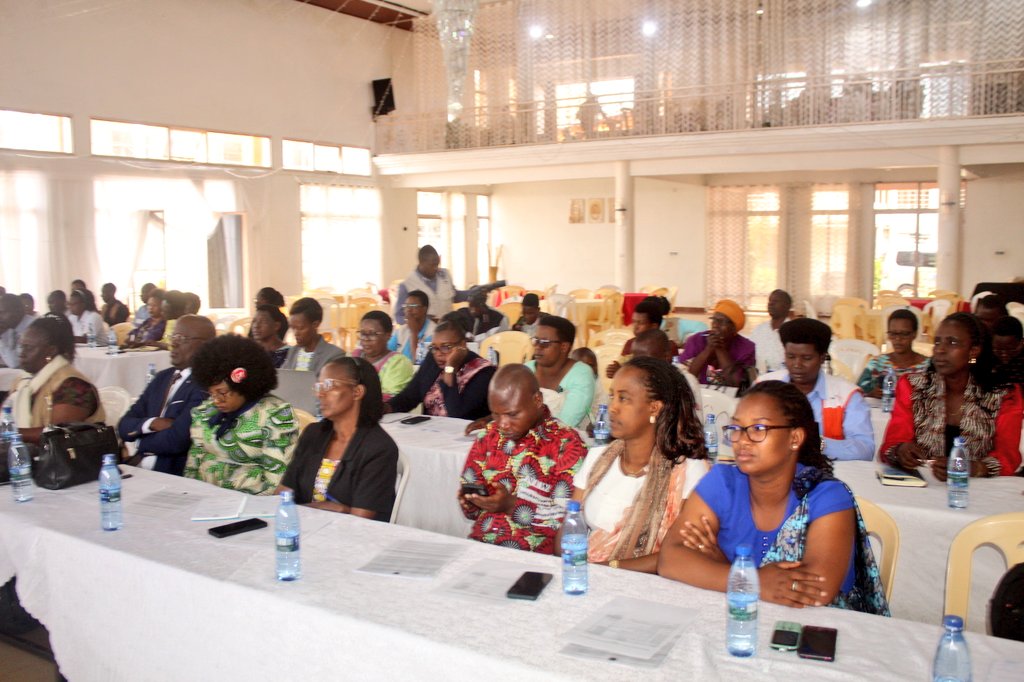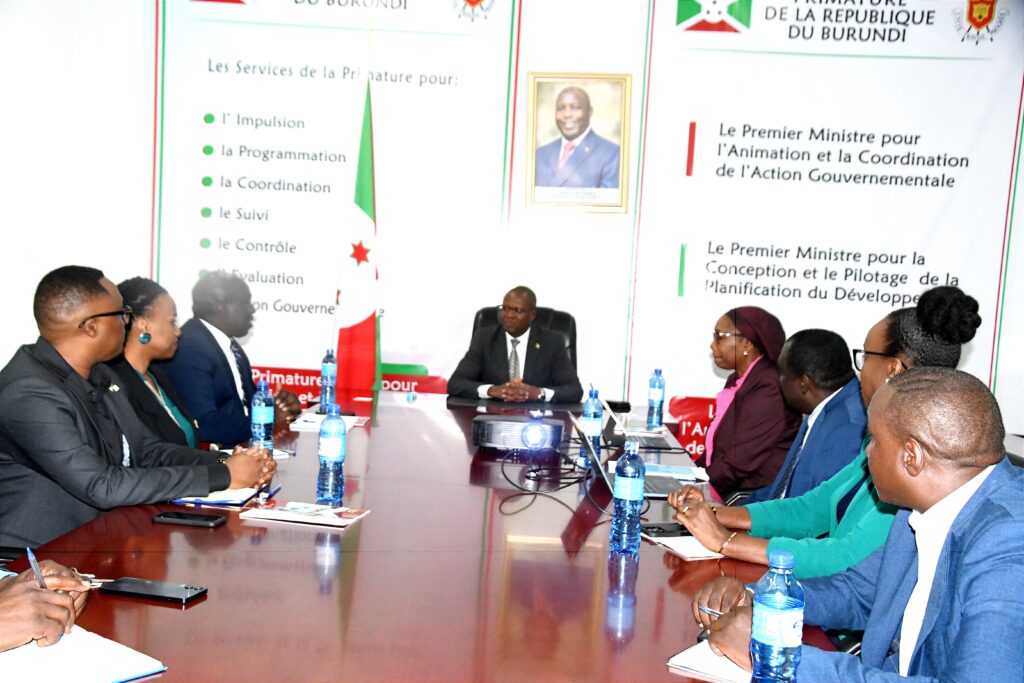
Burundi's Prime Minister, Nestor Ntahontuye, met with a World Bank delegation on Thursday, May 21, 2026, for critical discussions on ongoing development initiatives in the country. The high-level meeting centered on a World Bank program currently implemented in Burundi, with discussions also covering the prospects for its potential second phase. The talks aimed to thoroughly review the program's progress and strategize for future cooperation, emphasizing continued partnership between Burundi and the international financial institution. This engagement shows the World Bank's commitment to supporting Burundi's development agenda and the government's efforts to achieve its strategic objectives.
Program Success and Next Steps
The first phase of the World Bank program in Burundi is nearing its conclusion, marking a significant milestone in the collaborative effort. Throughout this initial period, the Burundian government has demonstrated notable progress and effective implementation. Specifically, the government successfully achieved nine out of eleven strategic axes outlined in the program, a testament to its dedicated efforts and efficient resource management. This achievement shows the effective implementation of the initial phase and notes the tangible results of the partnership.
Following these productive discussions, the World Bank delegation committed to developing a full document for the program's second phase. This document, which will outline the framework, specific objectives, and expected outcomes for future cooperation, is expected to be ready for validation within one month. The prompt development of this key document indicates the World Bank's intent to maintain momentum following the successful first phase and to quickly transition into the next stage of support. This swift action reflects the positive assessment of the program's initial impact and the mutual desire for continued progress.
Burundi's Vision for Future
During the meeting, the World Bank delegation inquired about the Burundian government's specific priorities for the upcoming second phase of the program. In response, Prime Minister Nestor Ntahontuye outlined the country's strategic focus, which includes the ambitious long-term objectives of Vision 2040-2060. This overarching national development plan provides a clear roadmap for Burundi's future. Additionally, Mr. Ntahontuye noted essential reforms related to the Plan de travail et budget annuel (PTBA), emphasizing ongoing efforts towards improved planning and budgetary management to ensure fiscal responsibility and efficiency. The Prime Minister also specified that the government's priorities encompass full decentralization and deconcentration initiatives. These measures aim to distribute governance and administrative power more broadly across the country, fostering local development, enhancing citizen participation, and improving the efficiency and reach of public service delivery.
Official Reaction and Outlook
The World Bank delegation was notably headed by Maimouna Mbow Fam, regional director of the Fragility, Conflict and Violence department, showing the strategic importance of the program for the region. The discussions were characterized by both parties as very fruitful, indicating that good paths for collaboration were identified during the meeting. This positive assessment suggests a strong foundation for the upcoming second phase of the program, building on the achievements of the initial phase. The cooperative spirit between the World Bank and the Burundian government is expected to facilitate the continued progress of development initiatives, fostering a stable and prosperous future for Burundi.
Context of the Initiative
The World Bank program, specifically named 'allocation, prévention et résilience' (allocation, prevention, and resilience), has been operational in Burundi since 2023. This initiative underpins ongoing development efforts in the country, providing key support in areas critical for national stability and growth. The program's inception in 2023 established a strong framework for collaboration between the World Bank and the Burundian government, targeting key areas for improvement and sustainable development. Its specific name, 'allocation, prévention et résilience,' reflects its core objectives related to equitable resource distribution, proactive crisis prevention, and strengthening national capacity to withstand various shocks, including economic and environmental challenges. The program's continuity since its launch has facilitated sustained engagement on these vital fronts, leading to the current discussions about its successful first phase and the promising prospects for its second phase.