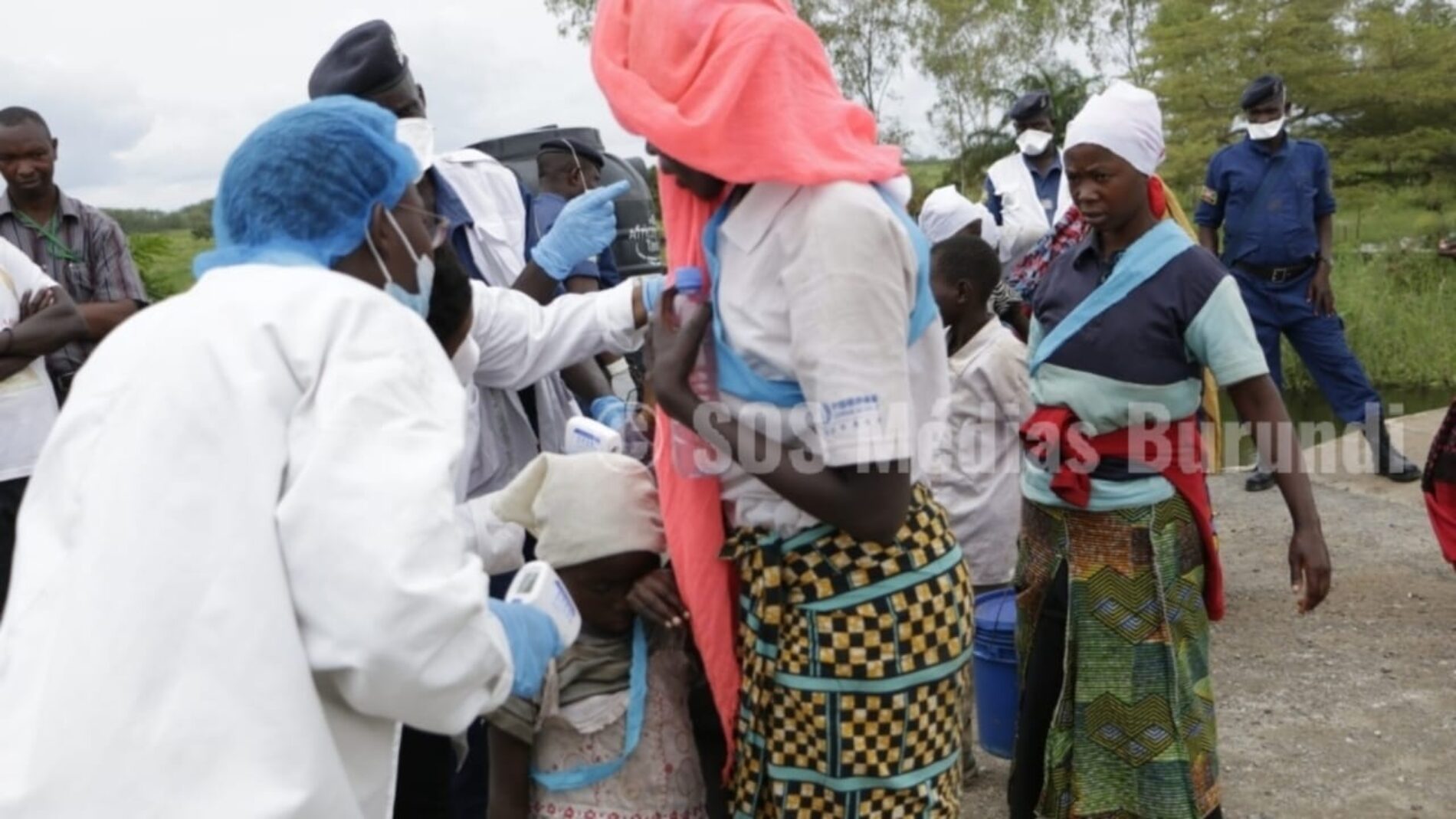
Burundi is strengthening its defenses against the Ebola virus as an active epidemic continues in the eastern Democratic Republic of Congo (RDC). The ongoing outbreak across the border has prompted health authorities in Burundi to implement enhanced preparedness measures to prevent its spread into the country. This proactive stance follows concerns over cross-border movement and the potential for transmission from affected regions of the RDC. The active Ebola epidemic in the east of the Democratic Republic of Congo (RDC) presents a significant public health challenge for the entire Great Lakes region, compelling neighboring nations like Burundi to heighten their vigilance and response strategies.
Border Surveillance Intensified
Burundian authorities are reinforcing surveillance devices at their borders to prevent the Ebola virus from entering the national territory. These reinforced measures concern all major border posts shared with the Democratic Republic of Congo (RDC), ensuring a full approach to health security. Permanent health teams have been deployed at these locations, conducting awareness operations that reach thousands of individuals weekly. These teams are key for both monitoring potential cases and disseminating vital information to a highly mobile population. The deployment of these dedicated personnel shows the seriousness with which Burundi is approaching the threat, aiming to create multiple layers of defense at its most vulnerable points of entry.
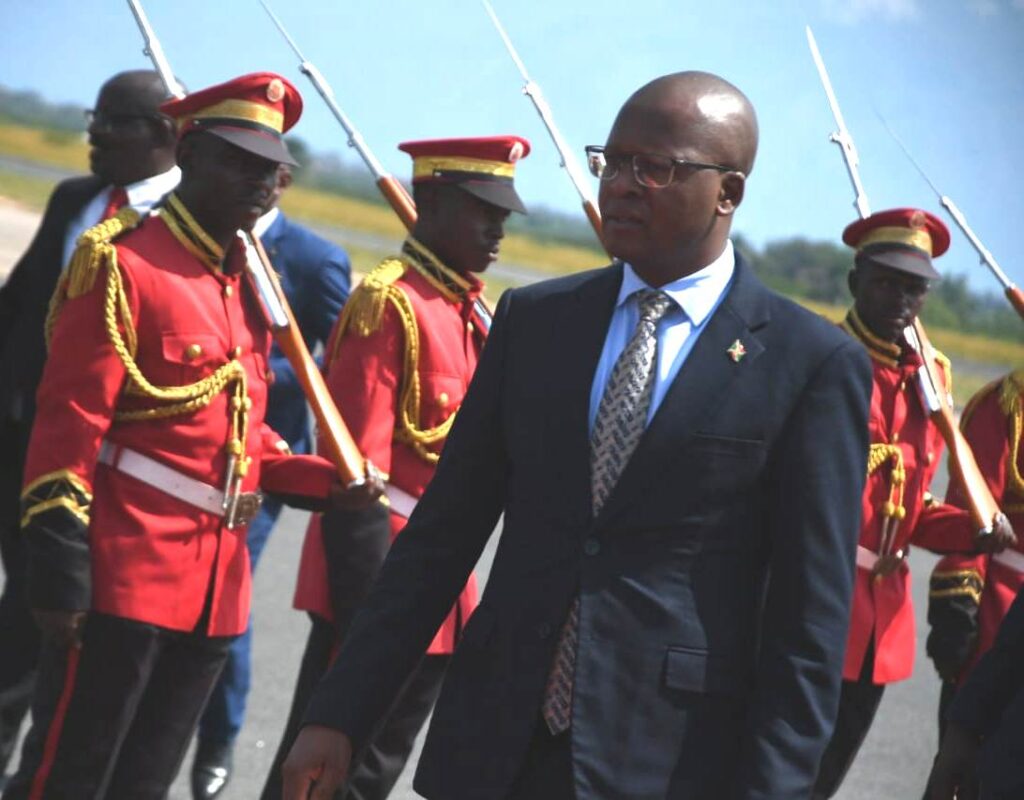
On Saturday, June 1, 2026, the Minister of Public Health and Fight against AIDS, Dr. Fidèle Nkezabahizi, visited the Gatumba border post. His visit showed the government's commitment to monitoring and strengthening health protocols at entry points. The consistent presence of health personnel at these critical junctures aims to detect potential cases early and inform travelers about preventive measures. The ongoing awareness campaigns are a key component of the strategy, targeting high-traffic areas to disseminate vital information on Ebola symptoms and transmission risks to the public. Dr. Nkezabahizi's presence at the border served to directly assess the implementation of these measures and to emphasize the importance of rigorous adherence to protocols by both health workers and the public. This direct oversight by a high-ranking official notes the government's recognition of the immediate and tangible risks posed by the proximity of the outbreak.
Ebola Threat From DRC
The visit by Dr. Fidèle Nkezabahizi, Burundi's Minister of Public Health and Fight against AIDS, specifically assessed the health surveillance system in response to a resurgence of Ebola cases in neighboring Ituri province, Democratic Republic of Congo. Ituri province has confirmed cases of the virus, alongside dozens of suspected cases currently under investigation by health authorities. Hundreds of contacts of confirmed cases are under reinforced surveillance within Ituri, indicating a significant active transmission chain that demands immediate attention. The situation in Ituri is particularly concerning due to the density of population and the challenges in controlling disease spread in conflict-affected areas. The World Health Organization (WHO) has stated that the situation in Ituri requires urgent mobilization to prevent the extension of the outbreak to neighboring countries such as Burundi. This assessment by the WHO shows the critical need for continued vigilance and strengthened health protocols at border crossings, recognizing the potential for rapid cross-border transmission if not adequately contained. The international health community is closely monitoring the developments, providing support and guidance to regional governments to mitigate the risk of a wider epidemic.
Public Adherence Lacking
Despite government efforts, public adherence to Ebola prevention measures remains low among the population, according to observations. The population's behavior shows a low level of adherence to prevention measures, which poses a significant challenge to containment efforts. Barrier gestures are rarely visible or are entirely absent in numerous public spaces throughout the country, indicating a gap between official recommendations and daily practices.
Systematic hand washing, a critical preventive measure, is not consistently respected, with this issue even extending to some health facilities in Bujumbura. This lack of consistent hygiene practices, particularly in critical environments, raises serious concerns about the potential for local transmission. Physical contact continues to be frequent in high-traffic areas such as markets, bus stations, places of worship, and during family ceremonies. These social customs, while deeply ingrained, present clear pathways for the virus to spread if an infected individual is present. The wearing of individual protection, such as masks, remains very limited in public spaces, indicating a widespread lack of compliance with recommended health protocols designed to minimize airborne or droplet transmission. This observed laxity in public adherence stands in stark contrast to the heightened measures being implemented at the borders, creating an internal vulnerability that could undermine external defenses. Public health campaigns are continuously working to address this behavioral gap, but the challenge remains substantial in changing long-standing social habits.
Official Statements and Risks
Burundi is considered a high-risk country due to its geographical proximity to affected areas in the Democratic Republic of Congo (RDC) and intense human and commercial exchanges across the border. Several official entry points are active and equipped with health control devices, including temperature checks and traveler screening, to mitigate this risk. These measures are essential given the constant flow of people and goods between the two nations, which, while economically vital, also acts as a potential vector for disease. Handshakes, hugs, and sharing common objects remain common habits among the population, posing additional risks by facilitating direct and indirect contact transmission. The Director-General of the World Health Organization (WHO), Tedros Adhanom Ghebreyesus, recently visited Ituri province, showing the international community's focus on the regional outbreak and the need for a coordinated response. His visit noted the global concern for the situation and reinforced the call for strong national and international efforts to control the epidemic. The ongoing engagement of international bodies like the WHO provides key technical and logistical support to Burundi and other affected nations, recognizing that containing Ebola requires a collective and sustained effort beyond national borders. The combination of geographical vulnerability, high cross-border traffic, and observed gaps in public adherence to preventative measures means Burundi must maintain a high state of readiness and continually adapt its strategies to the evolving threat.