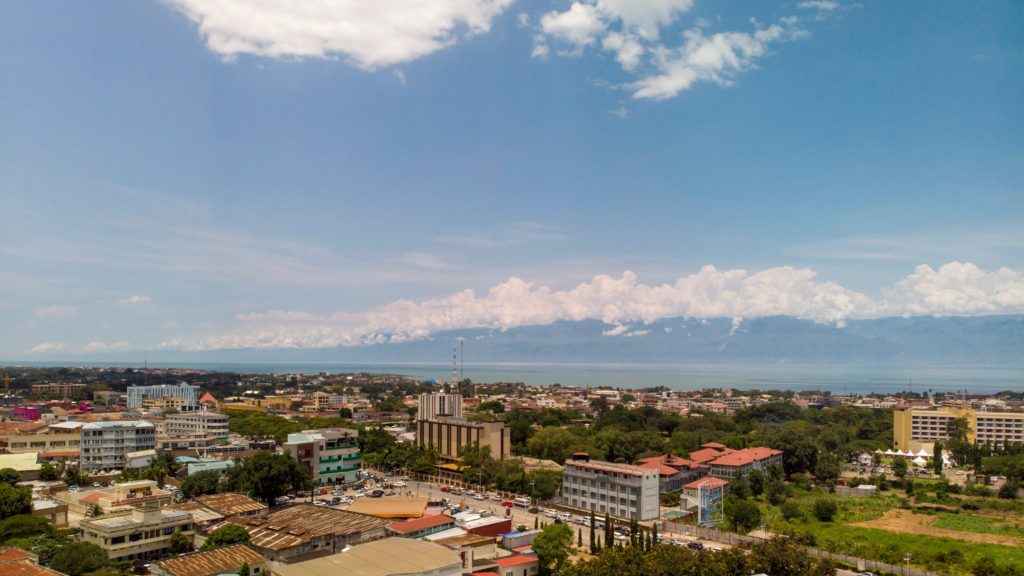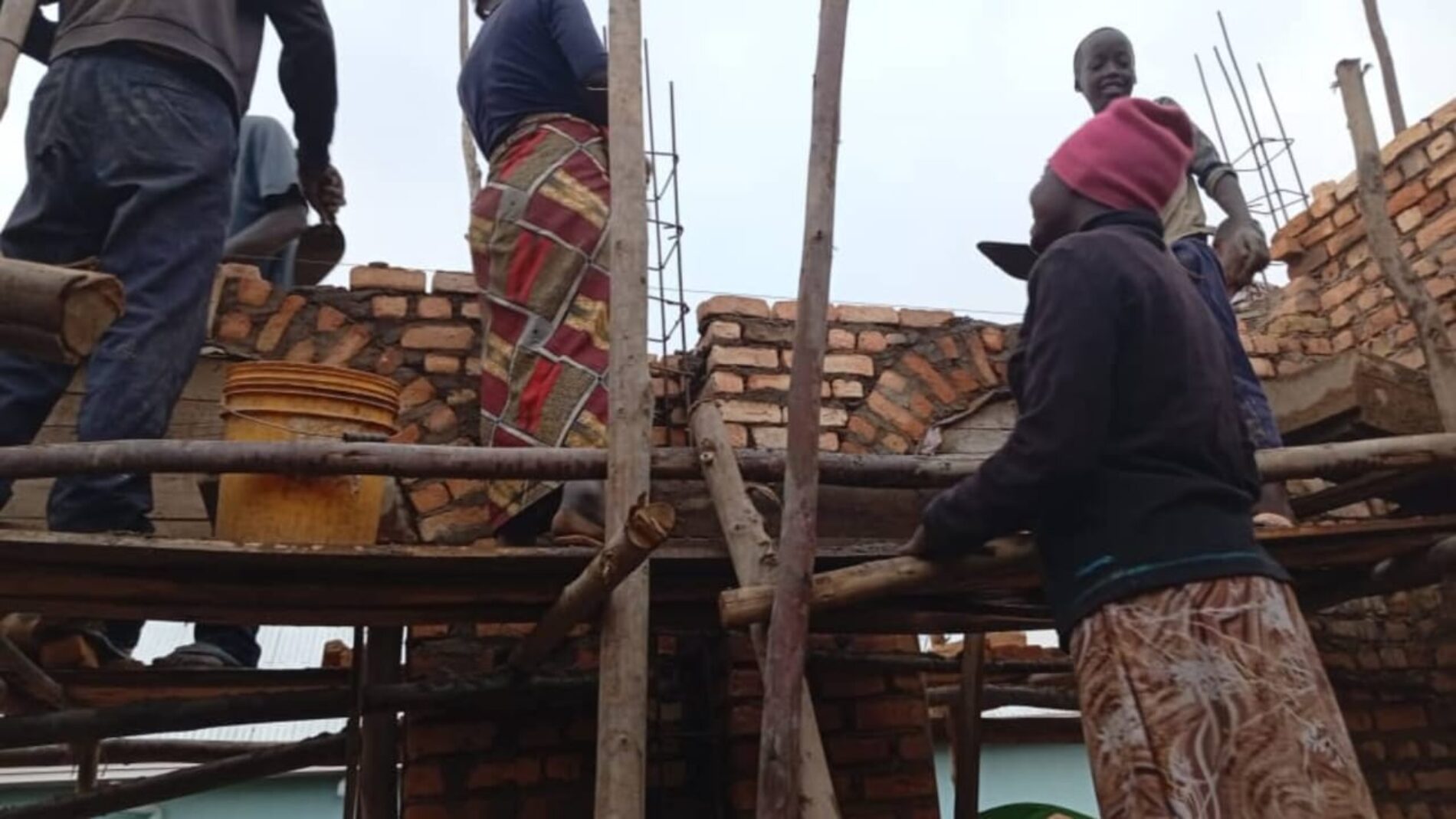
Burundi faces a heightened risk of avoidable disasters due to the non-compliance with building construction standards, particularly for multi-story structures. The non-respect of building construction standards, especially for multi-story buildings, could expose Burundi to avoidable disasters, experts warn. This warning was issued at a press conference held on Tuesday, June 10, in Bujumbura. Experts have noted potential dangers stemming from these overlooked regulations, emphasizing the vulnerability of urban infrastructure and the imperative for stricter adherence to established safety protocols.
Lack of Material Control
Libère Nitunga, a Burundian expert, denounced the absence of systematic control over the resistance of materials used on numerous construction sites across the country. Nitunga stated that this key requirement is rarely checked on construction sites in Burundi, contributing to concerns about structural integrity. He emphasized that the lack of rigorous testing and verification of construction materials poses a significant threat to public safety. Tests conducted on a specific site illustrated this issue, revealing concrete resistance values of 17, 15, and 18 Megapascals (MPa). Such findings show the expert's warnings regarding the quality of construction materials being incorporated into new buildings. The absence of systematic control over material quality, particularly for critical components like concrete, raises serious questions about the long-term stability and safety of these structures. The lack of stringent oversight could compromise the safety and durability of structures, particularly multi-story developments, making them susceptible to failure under stress.
Seismic Zone Risks
The current construction practices expose buildings to a high risk of structural failure, which could potentially lead to collapse. Such a situation exposes buildings to a high risk of structural failure, potentially leading to collapse, particularly in the event of seismic activity. Burundi is situated in a seismic zone, a geographical reality that necessitates greater rigor in the design and control of all structures. This geological context means that buildings must be engineered to withstand ground movements, a requirement that experts argue is not being consistently met. The inherent instability of a seismic region amplifies the consequences of inadequate construction standards and the absence of material quality control. Experts warn that without strict adherence to building codes tailored for earthquake-prone areas, the risk of widespread damage and casualties during a seismic event increases significantly. The potential for catastrophic outcomes in a seismically active region shows the urgent need for a review and enforcement of building codes to protect lives and property.
Expert Warning on Standards
Libère Nitunga, a Burundian expert in building construction, issued a warning during a press conference regarding the quality of materials. Nitunga noted that the minimum resistance for concrete used in buildings is internationally set at 25 megapascals (MPa) of compressive strength. This standard ensures structural integrity and safety, serving as a critical benchmark for construction quality globally. However, tests conducted on a specific Burundian construction site revealed concrete resistance values of 17, 15, and 18 MPa. These values are significantly below the recommended minimum threshold of 25 MPa, indicating a potential compromise in the durability and safety of structures. The discrepancy raises concerns about the adherence to international construction standards within the country and suggests that many buildings may not meet the basic requirements for structural soundness. This shortfall in material strength could have severe implications for the resilience of buildings, especially multi-story edifices, in the face of environmental stressors or seismic events.