Mwaro commune, located in Gitega province, has allocated 35,253,650 BIF to its agricultural sector. This significant financial commitment, exceeding 35 million BIF, aims to bolster farming initiatives within the commune and reinforce its position as a key agricultural hub within the Gitega province. The funds are earmarked for various agricultural projects specifically designed to support local development, enhance food production, and contribute to the economic well-being of its residents. This substantial investment shows the commune's strategic focus on strengthening its primary economic sector.
Commune's Agricultural Landscape and Strategic Importance
Mwaro commune, a vital administrative division within Gitega province, is characterized by its diverse geography, encompassing 67 distinct census hills. This varied terrain is further segmented into three distinct natural regions: Kirimiro, Mugamba, and Bututsi. Each of these regions contributes uniquely to the commune's agricultural output, fostering a rich tapestry of farming practices and crop cultivation. The varied topography and climatic conditions across these regions allow for a broad spectrum of agricultural activities.
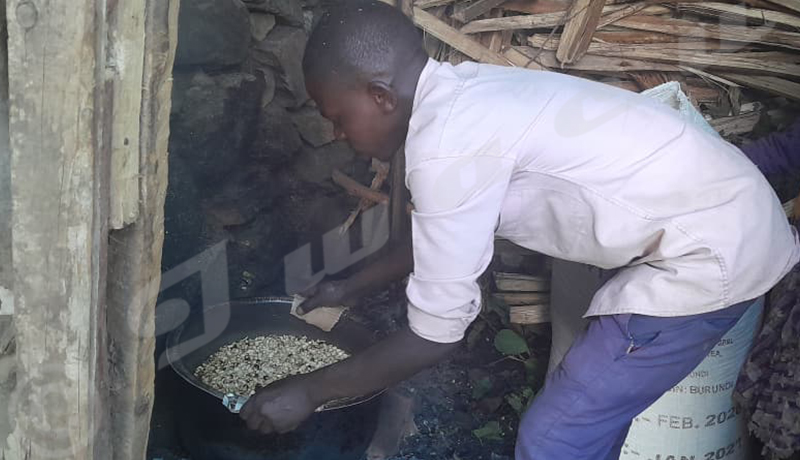
The agricultural practices across these regions cultivate a variety of common crops essential for local consumption and sustenance. These staple foods include sweet potato, cassava, colocasia, banana, beans, and potato, which form the bedrock of the local diet. Beyond these key staple foods, the commune also plays a significant role in the production of export crops, contributing to the national economy. Predominantly, tea is cultivated in the cooler, higher-altitude Mugamba region, while coffee, another valuable cash crop, thrives in the Kirimiro region. This dual focus on both subsistence and export crops notes the commune's full agricultural strategy.
Agricultural oversight and support within Mwaro are meticulously managed by a dedicated network of agricultural monitors. These monitors are strategically stationed on the various hills throughout the commune, providing direct, on-the-ground assistance and guidance to farmers. Their efforts are complemented by the expertise of a communal agronomist, who offers specialized knowledge and technical advice to optimize farming practices. The commune's administration actively supports farmers by providing key information, including timely rainfall forecasts. This proactive dissemination of weather data allows farmers to make informed decisions regarding planting, irrigation, and harvesting, thereby mitigating risks and improving yields.
Environmental sustainability is also a core principle promoted within the commune's agricultural policies. To combat deforestation and promote ecological balance, the commune strongly recommends the planting of five trees for every one harvested. This initiative aims to maintain forest cover, prevent soil erosion, and preserve biodiversity, ensuring the long-term viability of agricultural lands. For larger agricultural undertakings, specific regulations are rigorously enforced. These require explicit authorization from both the Burundian Office for the Protection of the Environment (OBPE) and the commune itself before establishing extensive plantations. This regulatory framework ensures that large-scale agricultural projects adhere to environmental standards and contribute positively to the local ecosystem. Mwaro commune is also fortunate to possess exploitable marshes, which are strategically utilized for dry season agriculture, enabling continuous food production even during drier periods. The commune actively practices irrigation to support farming activities during these periods, ensuring consistent crop yields and enhancing food security.
Cooperative Challenges and Successes: A Mixed Picture
The landscape of agricultural cooperatives within Mwaro commune presents a mixed picture of both significant challenges and notable successes. Many cooperatives operating under the "Sangwe" designation on various hills have encountered management difficulties concerning their funds. These issues have impacted the financial stability of several such groups, leading to operational hurdles and, in some cases, significant setbacks. The effective management of financial resources remains a critical area for improvement for many of these cooperative structures.
Some Sangwe cooperatives experienced particularly severe setbacks after investing in livestock through pig farming initiatives. Unfortunately, the animals acquired for these projects subsequently died, leading to substantial financial losses for the cooperatives involved. This unfortunate turn of events not only depleted their invested capital but also dampened the morale of their members. Similarly, other Sangwe cooperatives that focused on agricultural investments faced widespread destruction of their crops due to heavy rainfall. This adverse weather event undermined their farming efforts, leading to a significant loss of expected yields and further exacerbating their financial woes. These instances highlight the inherent risks associated with agricultural ventures, particularly when compounded by unforeseen challenges.
Despite these considerable challenges, certain youth cooperatives within Mwaro commune have demonstrated remarkable resilience and considerable success. Some of these youth-led initiatives are capable of generating impressive annual gains, exceeding one billion BIF for their members. These highly successful cooperatives illustrate the immense potential for substantial economic benefits and wealth creation within the cooperative framework when effective management, strategic planning, and dedicated effort are combined. Their achievements serve as inspiring examples for other cooperative groups in the commune.
Financial Overview and Context of Agricultural Investment
The significant agricultural allocation was officially announced by the administrator of Mwaro commune during a Popular Expression Tribune (TEP) held in May. This important public forum provided an opportunity for communal leaders to engage directly with citizens and communicate key policy decisions. The TEP event itself was a collaborative effort, organized by local media outlets in partnership with the non-governmental organization La Benevolencija, showing the importance of community engagement and transparent governance.
Mwaro commune operates with a full total budget of 283,687,213 BIF, reflecting its overall financial capacity and the scope of its administrative and developmental responsibilities. Within this broader financial framework, the agricultural sector has already proven to be a significant contributor to the communal treasury, generating a substantial 22,842,300 BIF. This revenue stream shows the economic vitality of agriculture within Mwaro and its critical role in funding public services and further development initiatives. The continued growth of this sector is therefore critical for the commune's financial health.
Among the various cooperatives operating in Mwaro, the Sangwe cooperative of Gasenyi has been specifically noted as an exemplary model of effective fund management and strategic investment. This cooperative has demonstrated particular success in its seed multiplication initiatives, which are key for enhancing agricultural productivity and ensuring food security within the commune. Their prudent financial practices and successful project implementation set a high standard for other cooperatives to emulate.
Youth cooperatives within the commune are also consistently reported to be performing well, showcasing their dynamism and entrepreneurial spirit. These youth-led organizations engage in a diverse range of activities, including traditional agriculture, livestock rearing, and commerce, contributing to various facets of the local economy. A key factor in their success has been their proficient management of credits received from the PAEEJ (Programme d'Appui à l'Emploi des Jeunes) program. This effective utilization of financial support has enabled them to grow their enterprises, create employment opportunities, and generate significant economic value for their members and the wider community. The success of these youth cooperatives shows the importance of targeted support programs in fostering economic growth and empowering the younger generation in Mwaro commune.