Burundi's commercial capital, Bujumbura, is increasingly facing a series of devastating fire incidents, raising significant concerns about public safety, infrastructure resilience, and emergency preparedness across the nation. The latest major incident occurred at Kinindo Market, where a fire swept through a section of the market on a recent Tuesday. This event has further noted persistent vulnerabilities within the country's commercial and public infrastructure.
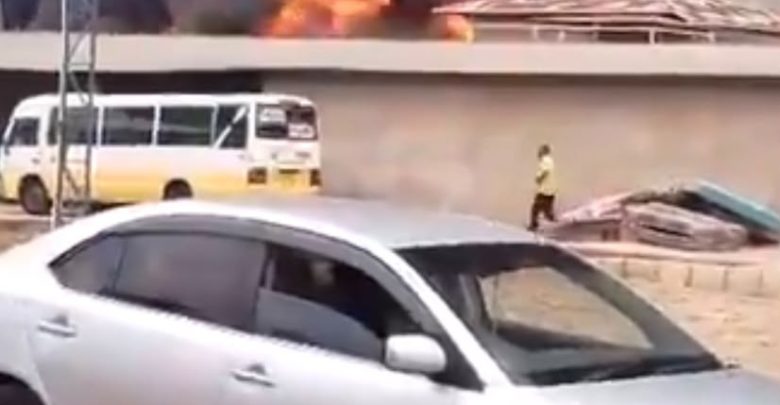
On a Tuesday, a fire broke out at Kinindo Market, located in Bujumbura, drawing immediate attention from emergency services. The blaze, which began at approximately 10:00 a.m. Originated within a specific section of the market. This area was primarily dedicated to the sale of mattresses and other highly combustible goods, a factor that likely contributed to the rapid spread and intensity of the fire. The quick response saw firefighters, emergency-management personnel, and the Burundi Red Cross mobilize to tackle the conflagration. Their coordinated efforts were key in containing the damage. The blaze was successfully brought under control about an hour after it started, preventing further widespread destruction within the bustling market. Fortunately, no deaths were immediately reported as a direct result of the Kinindo Market fire, a relief amidst the material losses. However, the economic impact was substantial, with several traders suffering significant and substantial losses due to the fire, impacting their livelihoods and the local economy.
Pattern of Market Blazes Raises Alarm
The Kinindo Market incident is not an isolated event but rather the latest in a troubling pattern of significant market fires that have plagued various locations across Burundi in recent months. This recurring crisis points to systemic issues that demand urgent attention.
Earlier in the year, in April, Kinama Market, a vital commercial hub situated in northern Bujumbura, experienced a destructive fire incident. This event caused considerable disruption and losses for vendors operating in that area. The following month, in May, Cibitoke Market was also severely affected by a blaze, adding to the growing list of commercial centers impacted by such disasters. The destruction continued into June when a timber market located in Jabe was completely destroyed by fire, wiping out businesses and valuable resources. July saw yet another major incident, with Ngozi Market facing a significant fire, further showing the widespread nature of these destructive events.
These recent incidents follow a deeply concerning pattern of destruction that has affected key commercial centers in the country over the past decade. A stark reminder of this ongoing vulnerability is the fate of the Bujumbura Central Market. This once-thriving market was completely destroyed by fire in January 2013, and more than 13 years later, it has yet to be rebuilt. The prolonged absence of this central market has had lasting economic and social repercussions for the city and its residents, noting the long-term impact of such disasters when recovery efforts are delayed or insufficient. The repeated occurrences of these fires across different markets, from Kinama to Cibitoke, Jabe, Ngozi, and now Kinindo, show a critical need for enhanced fire safety measures and emergency infrastructure throughout Burundi's commercial sector.
Safety and Preparedness Gaps Exposed
The Kinindo Market fire on Tuesday, which began at approximately 10:00 a.m. Within a section of the market dedicated to mattresses and other highly combustible goods, served as a stark reminder of persistent safety concerns in Burundi. This incident, along with the numerous others, particularly notes the vulnerabilities following a series of blazes across the country that have exposed critical gaps in fire prevention and response capabilities.
The challenges extend beyond commercial markets. Earlier in March, a fire at a military camp in Musaga resulted in a tragic loss of life, with 13 fatalities reported, and left 57 individuals injured. Investigations into that particular incident determined the cause to be an electrical short circuit, pointing to potential infrastructure deficiencies and maintenance issues. The repeated occurrences of such destructive fires, whether in bustling markets or military installations, show broader issues related to infrastructure safety, building codes, and emergency response capabilities in various Burundian facilities. These events collectively suggest a pressing need for full safety audits, improved electrical infrastructure, and strong fire suppression systems across public and private establishments. The lack of adequate fire prevention measures and the slow pace of rebuilding after major incidents like the Bujumbura Central Market fire, indicate a systemic challenge that requires a holistic approach to address.
Official Response and Citizen Calls for Action
In the immediate aftermath of the Kinindo Market fire, authorities had yet to provide a full estimate of the property destroyed. The full extent of the economic damage, particularly for the many small business owners and traders, remains under assessment. Similarly, no official valuation of losses has been released for another significant fire incident that occurred just days prior. On August 21, four days before the Kinindo incident, a separate fire gutted the Ndayizamba and Le Parisien shopping galleries in downtown Bujumbura. This downtown blaze, which started at about 6:00 a.m. Caused extensive damage to commercial properties in the city center.
Despite the close proximity in time and location of these incidents, officials have not established any connection between the Kinindo Market fire and the August 21 downtown fires. This official stance suggests that these may be separate, unrelated incidents, though the frequency of such events remains a point of concern for citizens and businesses alike. The lack of immediate, full assessments and official valuations of losses following these major fires leaves affected traders and the public in a state of uncertainty.
The repeated occurrences of these devastating fires have led to growing calls from citizens and civil society organizations for greater accountability and more proactive measures from authorities. There is a strong public sentiment for improved fire safety regulations, stricter enforcement of building codes, and significant investment in modern fire-fighting equipment and training for emergency personnel. The ongoing pattern of destruction, particularly in key commercial areas, shows the urgent need for a national strategy to address fire prevention, emergency response, and long-term recovery planning to protect lives, livelihoods, and the economic stability of Burundi.