The proliferation of low-cost, high-alcohol beverages is increasingly a major public health concern in Burundi, particularly among young people. These artisanal or semi-industrial drinks are gaining ground in several neighborhoods of Bujumbura and various provinces, primarily due to their affordability and high alcohol content. The phenomenon is not limited to Burundi's economic capital but is progressively spreading across the country, fueling growing concern among health and administrative authorities. This trend poses significant challenges for public health initiatives as authorities grapple with its widespread impact. The accessibility of these potent, inexpensive drinks contributes to their popularity, especially in areas where economic constraints are prevalent, making them a readily available option for many.
Local Brews Fueling Crisis
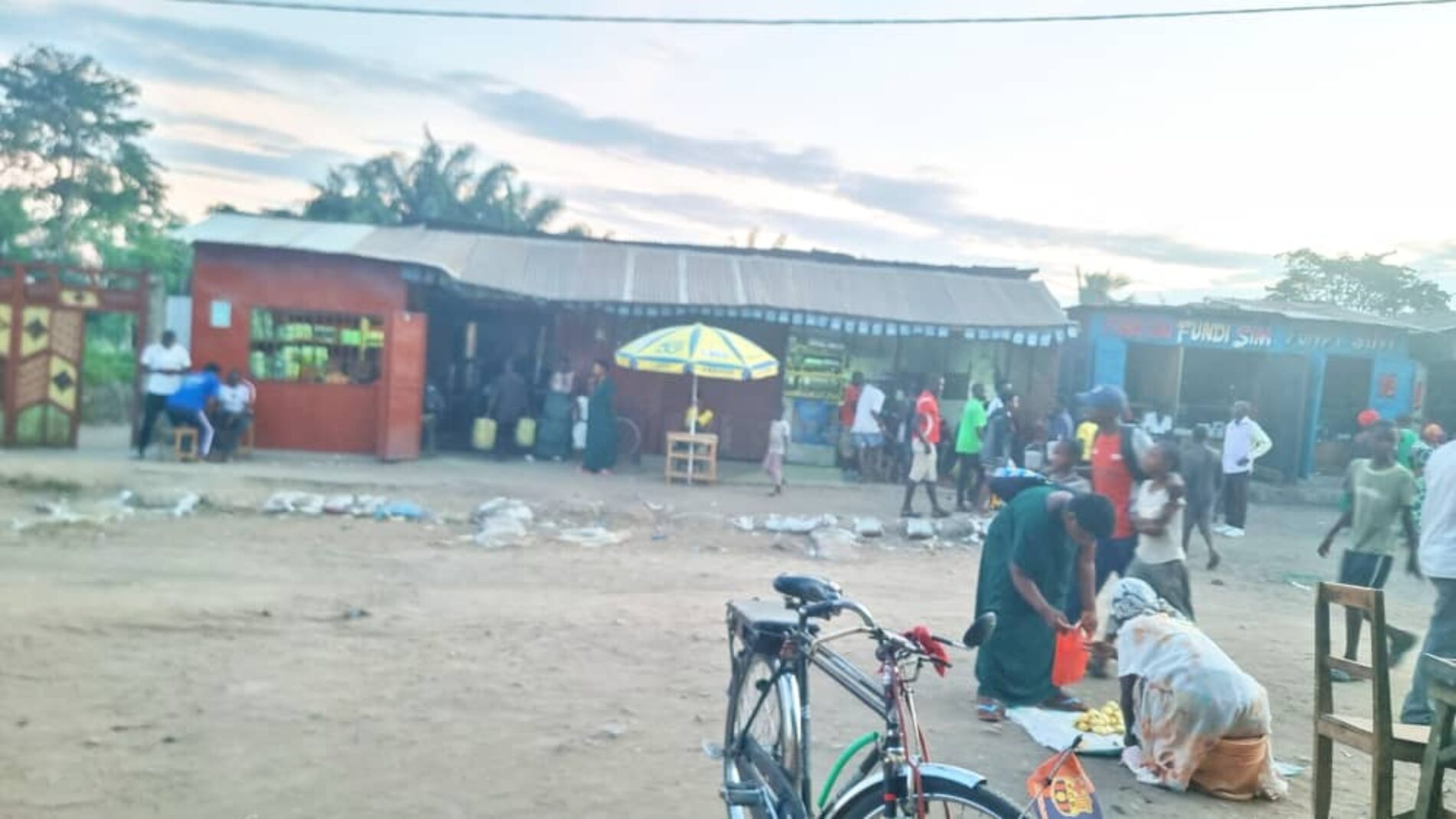
Vendors in the Kamenge and Kinama markets in northern Bujumbura report that various types of strongly alcoholic liqueurs and sweet wines produced locally are heavily consumed, particularly by young people. The primary appeal of these beverages is their financial accessibility, as they are priced significantly below industrial drinks manufactured by Brarudi, Burundi's sole brewery. This substantial price difference makes them an attractive, albeit dangerous, alternative for consumers with limited income. Some bottles, less than 30 centiliters in volume, reportedly contain up to 40 degrees of alcohol. This high alcohol content contributes to rapid, intense, and sometimes dangerous effects on consumers, leading to intoxication much faster than with regulated products.
The danger associated with these drinks is further amplified by their production conditions. Many of these beverages are manufactured outside strict hygiene and sanitary controls, which increases health risks for those who consume them. The lack of oversight means that contaminants or harmful substances could be present, posing additional threats beyond the alcohol content itself. While this phenomenon was once predominantly observed among males, it is now also affecting women and young people across the country, indicating a broadening demographic impact of this public health crisis. This shift notes the widespread nature of the problem, reaching into new segments of the population.
Devastating Social and Health Toll
The phenomenon of dangerous low-cost alcohol extends beyond health concerns to broader social realities, producing a range of consequences. These include decreased productivity among the workforce, leading to economic stagnation for individuals and communities, and increased school dropout rates, jeopardizing the future of the nation's youth. It contributes to family disintegration, eroding the foundational unit of society, and an increase in domestic violence and a rise in risk-taking behaviors within communities. These behavioral changes often lead to further social instability and crime.
Reports frequently detail dramatic situations linked to this consumption. Instances include mothers abandoning breastfeeding due to alcoholism, which has severe implications for infant health and development, and young people and men engaging in banditry to sustain their addiction or cope with its consequences. Conjugal violence, sometimes fatal, has also been reported, leading to murders or severe family breakdowns that leave lasting scars on surviving family members. These tragic events show the profound human cost of uncontrolled alcohol consumption.
Excessive consumption of these beverages carries serious health and socio-economic consequences for individuals and the broader society. Individuals face risks of alcohol dependence, a debilitating condition that can be difficult to overcome, liver diseases such as cirrhosis, and mental disorders, including depression and psychosis. It can also lead to violent behavior, an increased incidence of accidents, and a marked reduction in academic and professional performance, ultimately contributing to increased household poverty. The long-term effects on public health infrastructure and social welfare programs are also significant.
Authorities Respond to Threat
Several local administrations have already moved to seize and prohibit specific beverages identified as dangerous to public health. These proactive measures aim to remove the most harmful products from circulation and protect local populations. National authorities are issuing warnings, urging administrative officials to increase vigilance, and show the proliferation of these products as a serious threat to public health and social stability. This coordinated effort from the national level emphasizes the scale and urgency of the problem.
The Burundian Bureau for Standardization and Quality Control (BBN) has received directives to strengthen controls on both manufacturers and distributors of these alcoholic beverages. This mandate includes rigorous inspections and the enforcement of quality standards to ensure that any permitted products meet safety requirements. In some localities, authorities have conducted targeted raids on shops to remove these products from the market, demonstrating a direct and forceful approach to enforcement. These operations have been accompanied by ultimatums issued to merchants found selling the illicit drinks, warning them of severe penalties for non-compliance and aiming to deter future sales. These actions reflect a growing determination by the government to curb the dangerous trend and protect its citizens.