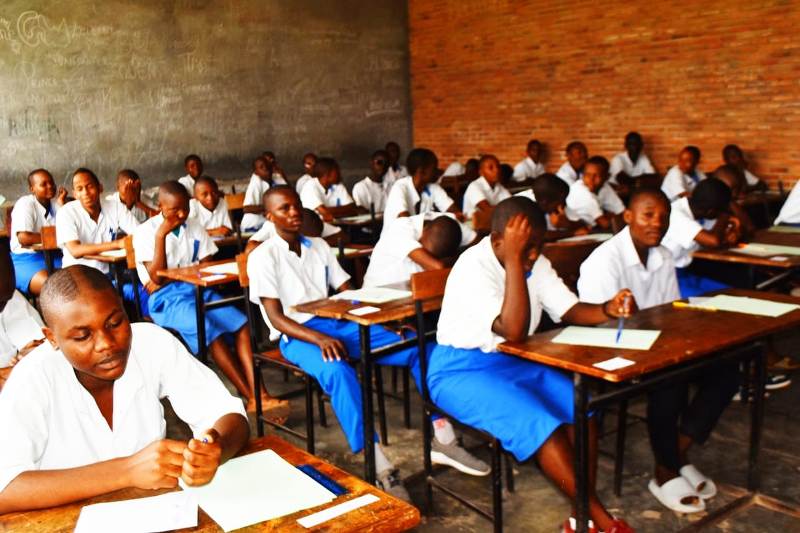
The Ministry of National Education and Scientific Research has organized the national exam, edition 2026, which is taking place across Burundi from June 2 to 4, 2026. This annual examination is a key milestone for students completing their secondary education, determining their eligibility for higher learning institutions. The ministry's preparations aim to ensure a smooth and equitable process for all participants nationwide. Officials from the Ministry of National Education and Scientific Research are overseeing the logistical arrangements and implementation to maintain the integrity of the examination process. This period is key for thousands of students who have prepared throughout the academic year for these assessments, marking the culmination of their secondary school studies and a gateway to their future academic pursuits. The nationwide examination is a significant event in Burundi's educational calendar, reflecting the government's commitment to standardized assessment and academic fairness.
Exam Centers Report Smooth Progress
Operations at various examination centers across Burundi commenced with organizational details noted. The start of the national exam was scheduled for 8 a.m. At all examination centers. However, at the ETS (Ecole technique secondaire) of Kamenge examination center, students from seven schools gathered to participate in the national exam. A total of 626 laureates were expected at the ETS of Kamenge center for the 2026 edition of the national exam. The start time for the examination at the ETS of Kamenge center was 9 a.m. One hour later than the initially scheduled 8 a.m. This delay was observed at several locations, necessitating adjustments to the daily schedule. Despite these initial adjustments, the overall atmosphere remained focused on the academic task at hand.
Moving to other locations, the Mgr Scheppers examination center hosted students from five different schools, ensuring a centralized testing environment for those participants. Similarly, the Lycée du lac Tanganyika 1 examination center brought together students from four schools for their national assessments. Further south, the Lycée du lac Tanganyika II examination center began its proceedings at 8:35 a.m. Slightly after the standard start time. The Lycée du lac Tanganyika II center facilitated the examination process for students originating from four distinct schools. These arrangements reflect the careful logistical coordination required for the nationwide exam, ensuring that students from various educational institutions could converge at designated centers for their assessments. The careful planning aimed to accommodate a large number of candidates while maintaining an organized and conducive testing environment throughout the country.
Academic Subjects and Student Outlook
In Bujumbura, examination centers observed by the newspaper 'Le Renouveau du Burundi' reported that the exam proceeded under good conditions, with no incidents recorded. This positive feedback from the capital city showed the effective management of the examination process. Similarly, the examination at the Mgr Scheppers center unfolded in total serenity, demonstrating a calm and orderly environment for the candidates. At the Lycée du lac Tanganyika II center, 141 laureates were expected to participate, though one case of school abandonment was noted among the registered students. On the first day of the exam, candidates were administered tests in Human Sciences and Entrepreneurship, marking the initial phase of the nationwide assessment. These subjects represent core areas of the secondary school curriculum, designed to evaluate students' knowledge and analytical skills. The successful administration of these first papers set a positive tone for the remainder of the examination period.
Student and Official Perspectives
The national exam was scheduled to commence at 8 a.m. At all examination centers across Burundi. However, as noted, some centers experienced slight delays. At the ETS of Kamenge center, officials recorded nine cases of absence, attributed to students who had abandoned their studies during the school year. This figure notes the challenges of student retention within the educational system. Conversely, the Mgr Scheppers center reported full attendance, with all 207 expected laureates present for the examination, a testament to the dedication of its students. However, the exam at the Mgr Scheppers center also began with a slight delay, starting at 9 a.m. Similar to other centers. This common delay across multiple centers indicates a potential systemic issue in the initial rollout logistics, though it did not appear to disrupt the overall process significantly. At the Lycée du lac Tanganyika 1 center, 154 laureates were expected to sit for the exam, where one case of school abandonment was noted among the registered participants, echoing the situation at Lycée du lac Tanganyika II. The presence of such cases shows the various personal and academic challenges students face leading up to these key examinations. Despite these few absences, the overwhelming majority of students were present and engaged, demonstrating their commitment to completing their secondary education and pursuing further academic opportunities. The smooth conduct of the examination across numerous centers, despite minor delays and isolated cases of absence, reinforces the strong organizational efforts of the Ministry of National Education and Scientific Research.