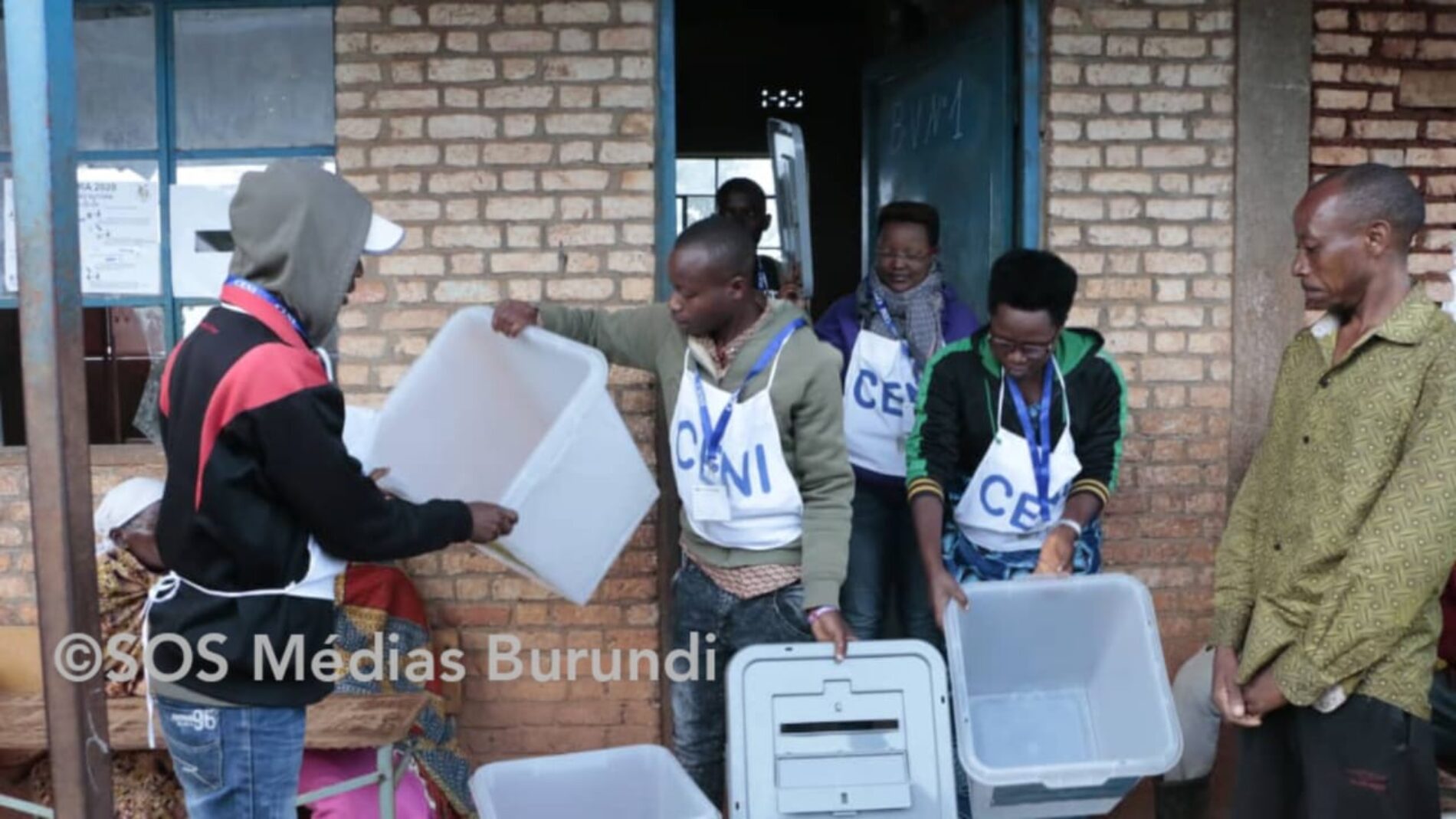
Five Burundian opposition parties boycotted a meeting convened by the Independent National Electoral Commission (CENI) on Friday, May 8, 2026, regarding preparations for the 2027 presidential election. The parties, which included the National Congress for Liberty (CNL), the Union for National Progress (UPRONA), the Coalition of Democrats for Burundi (CODEBU), the Front for Democracy in Burundi (FRODEBU), and the Party of Democrats for Change (CDP), did not attend the session. This collective absence showed a significant rift in the political landscape as the country looks towards its next presidential vote. According to the opposition, no credible electoral process can commence without an inclusive political dialogue preceding it, a condition they deem fundamental for ensuring fairness and transparency.
Opposition's Grievances Detailed
The opposition parties CNL, UPRONA, CODEBU, FRODEBU, and CDP are among those boycotting the electoral preparations. Their decision to stay away from the CENI-organized meeting stems from deeply held concerns about the integrity of the electoral process in Burundi. They accuse the Independent National Electoral Commission (CENI) of failing to address numerous complaints stemming from prior elections, specifically citing irregularities observed in the 2025 legislative, communal, and collinar elections. This alleged lack of response from the electoral body, according to the parties, undermines the credibility of the current electoral process and casts a shadow over future polls. The opposition argues that the CENI's perceived inaction on these past issues makes it impossible to move forward with preparations for the 2027 presidential election in good faith.
The opposition notes that the Parliament is now entirely controlled by the presidential party, the National Council for the Defense of Democracy – Forces for the Defense of Democracy (CNDD-FDD). This situation, they argue, creates an imbalance in the political landscape ahead of the 2027 presidential election, limiting the space for dissenting voices and independent oversight. The complete dominance of the CNDD-FDD across governmental structures and legislative bodies, they contend, makes an inclusive dialogue even more imperative to ensure a level playing field.
Meeting Proceeds Without Key Players
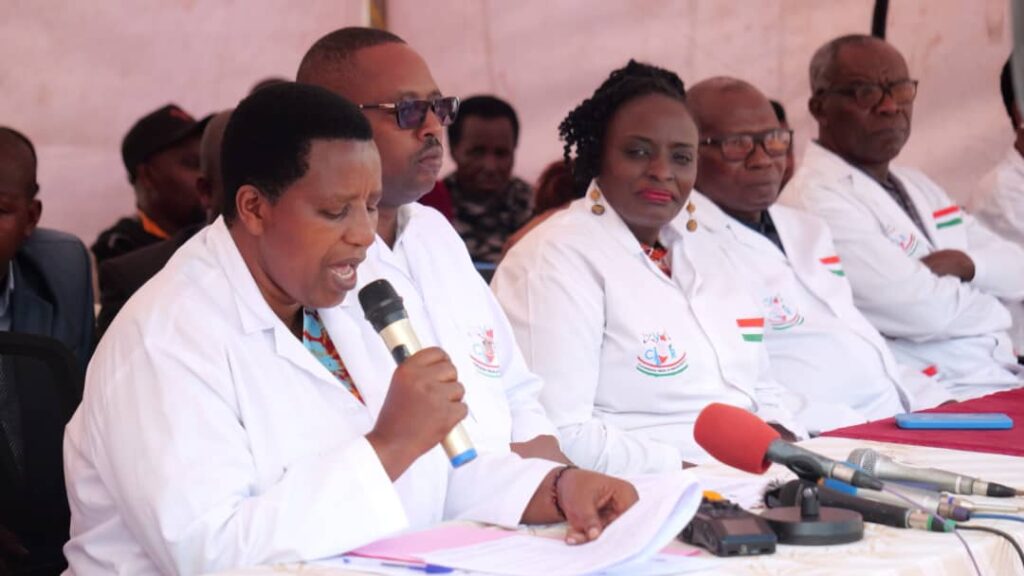
Despite the opposition's absence, the Independent National Electoral Commission (CENI) meeting continued as planned. The gathering saw the participation of the ruling CNDD-FDD party, its allied political parties, and several pro-government civil society organizations. This gathering occurred in the context of the 2025 legislative, communal, and collinar elections, where the CNDD-FDD secured 100% of the victories, further solidifying its control over the political apparatus. The CENI's decision to proceed with the meeting despite the boycott signals its intention to adhere to the established electoral calendar, even in the face of significant opposition discontent.
However, even among those who initially attended, not all remained. Two political formations, the Alliance for Peace and the Restoration of Rights (APDR) and the Rally for National Reconstruction and Change (RANAC), chose to depart from the meeting before its conclusion. Both parties voiced strong objections, denouncing what they described as an unbalanced process and noting partial interventions during the discussions. Their walkout showed that the concerns about fairness and inclusivity were not limited solely to the boycotting opposition parties but resonated even within parts of the broader political spectrum.
Electoral Calendar and Context
Burundi's presidential election is officially scheduled for May 3, 2027. The electoral calendar outlines a campaign period of two weeks immediately preceding the vote, a timeframe that the opposition views as insufficient for a truly competitive and transparent electoral contest given the current political climate. This upcoming election follows the 2025 legislative, communal, and collinar elections, which the ruling CNDD-FDD party won entirely, securing 100% of the victories across these polls. This overwhelming victory has been a point of contention for the opposition, who cited widespread irregularities in those elections.
Opposition's Stance on Dialogue
The opposition parties cited the Independent National Electoral Commission's (CENI) refusal to address irregularities that they claim were observed in the 2025 legislative, communal, and collinar elections as a primary reason for their boycott. They argue that this lack of response from the electoral body undermines the integrity of future electoral processes and erodes public trust in the institutions responsible for conducting elections. The parties maintain that a credible election cannot proceed without a thorough review and resolution of these past issues, emphasizing that dialogue is essential to rebuild trust and ensure a fair electoral environment for all participants.
The opposition also notes that the Burundian government is entirely composed of members and supporters of the ruling CNDD-FDD party. This complete control by the presidential party is presented as a significant factor contributing to the current political imbalance, making it difficult for opposition voices to be heard or for their concerns to be addressed through formal channels. The dominance of the CNDD-FDD across governmental structures, according to the opposition, further necessitates an inclusive political dialogue before any credible election preparations can take place, ensuring that the concerns of all political actors are genuinely considered.