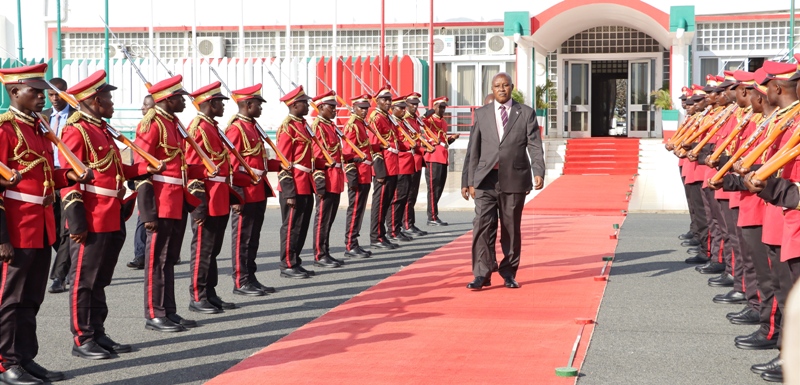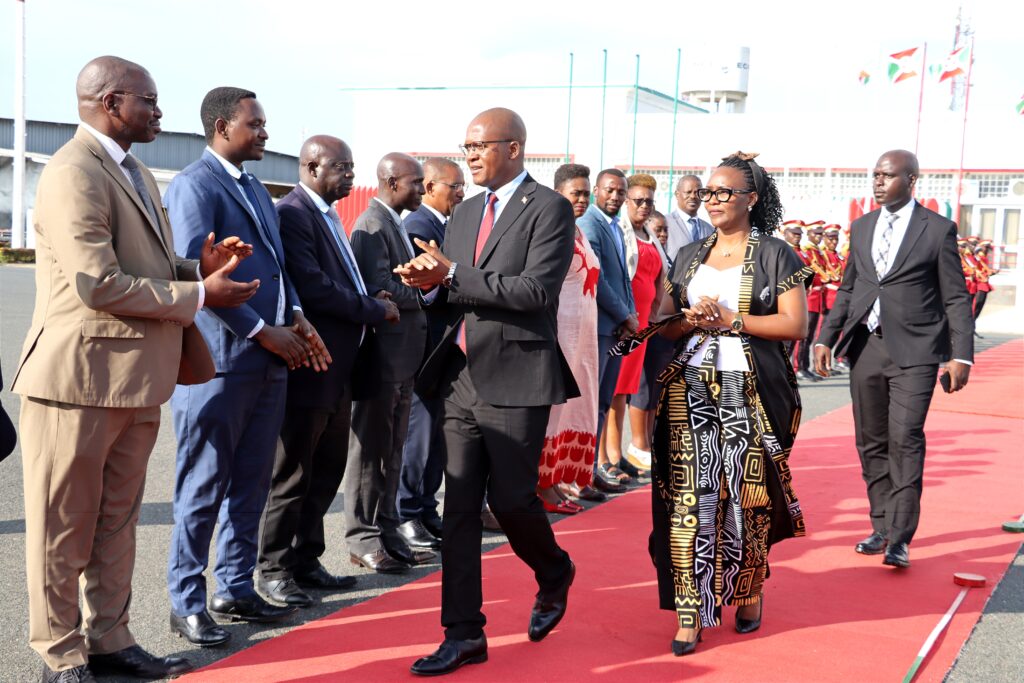
Burundi's Prime Minister, Nestor Ntahontuye, departed for Cairo, Egypt, on the afternoon of Thursday, May 7, 2026. He traveled by plane to the Egyptian capital, where he is scheduled to participate in the opening ceremonies of a new campus of the Senghor University. Prime Minister Ntahontuye is accompanied by his wife for the event. His presence at this significant academic and diplomatic occasion shows Burundi's commitment to regional educational development and international cooperation. The Prime Minister's delegation arrived in Cairo following a direct flight, marking the official start of their visit to the North African nation.
University Background and Scope
The Senghor University, an international francophone institution, was established in 1990. It bears the name of Léopold Sédar Senghor, the former president of Senegal, a renowned poet and statesman who championed Pan-Africanism and cultural exchange. The university focuses on training in fields essential for African development, including management, environment, health, and cultural heritage. Its mission is to contribute to a new generation of development professionals across the continent, equipping them with the knowledge and skills necessary to address contemporary challenges. The institution's establishment aimed to foster cooperation and intellectual exchange within the francophone world and beyond, providing advanced education to students from various African nations. This international scope is a cornerstone of its educational philosophy, promoting a diverse and collaborative learning environment. The university emphasizes practical skills and multidisciplinary approaches to address contemporary challenges facing African societies, ensuring its graduates are well-prepared for real-world impact. Its curriculum is designed to be responsive to the evolving needs of the African continent, fostering innovation and sustainable development.
Diplomatic Significance of Visit
Burundi's Prime Minister, Nestor Ntahontuye, is attending the opening ceremonies of the new Senghor University campus in Egypt on behalf of the Burundian president. This official representation elevates the importance of the event for Burundi, signaling high-level governmental endorsement. His participation signifies the importance Burundi places on regional educational initiatives and diplomatic engagement with Egypt and the broader francophone community. The Prime Minister's presence, representing the head of state, elevates the event from a purely academic occasion to one with notable governmental backing, noting the strategic value placed on educational partnerships.
The decision for Prime Minister Ntahontuye to officially represent the president shows Burundi’s commitment to fostering educational development and international cooperation. This involvement notes the country's support for institutions like Senghor University, which aim to cultivate professional expertise across Africa. The Prime Minister's attendance reinforces the diplomatic ties between Burundi and Egypt, while also signaling a broader interest in the university's mission of training future leaders in critical development sectors. His presence reflects a strategic alignment with the university's goals for African capacity building, aiming to strengthen human capital across the continent. The inauguration of a new campus in Egypt further solidifies the university's pan-African reach and its role in connecting francophone and Arabophone educational spheres.
Prime Minister's Statement
Senghor University provides quality education to students originating from 25 countries, according to reports from the institution, demonstrating its wide appeal and commitment to international diversity. The university currently operates twelve university campuses situated across various regions of Africa, a testament to its expanding footprint and dedication to making advanced education accessible. This expansion reflects the institution's commitment to delivering its multidisciplinary curriculum to a wider student body, enhancing its reach and impact on the continent's development. The presence of multiple campuses allows for localized educational opportunities while maintaining the university's core mission of training professionals in fields vital for African progress. This decentralized model enables the university to cater to specific regional needs and foster closer ties with local communities and industries. The new campus in Egypt will further extend this network, providing additional opportunities for students and researchers in a strategically important region.