The Commission Vérité et Réconciliation (CVR) is actively publicizing its initial decisions concerning property disputes stemming from past crises, particularly those involving spoliated lands and other goods. The Commission Vérité et Réconciliation (CVR) is continuing its campaign to publicize its first decisions on spoliated lands and other goods from past crises. This ongoing campaign aims to inform the public about the findings and resolutions reached by the commission, emphasizing transparency and accountability in its work. The CVR, which adjudicates these complex and often long-standing cases, has also clarified the definitive nature of its rulings. The commission stated that all decisions it makes are not subject to appeal, showing the finality of its determinations in these long-standing property disputes. This key aspect of its mandate is designed to prevent further litigation and bring definitive closure to affected parties. This move by the CVR seeks to bring closure to affected parties and facilitate the resolution of grievances, ultimately contributing to peace and reconciliation across the nation.
CVR Decisions in Action
In Cankuzo, the Commission Vérité et Réconciliation (CVR) announced four decisions concerning land property disputes previously registered with the commission. These four decisions were read publicly, marking a significant step in the commission's efforts to resolve historical grievances. Among these rulings, one CVR decision specifically awarded a land property to Jean Pierre Sinzumusi of Ruyigi, who was identified as the rightful claimant after thorough investigation by the commission. This decision exemplifies the CVR's commitment to restoring property to its legitimate owners.
The commission also facilitated an amicable settlement in a separate case involving the Église Emmanuel du Burundi, represented by Daniel Johnson, and the heirs of Joseph Ntagisigaye. This particular dispute centered on a property that Daniel Johnson had purchased from an individual later determined to be a false owner. The CVR's intervention led to a resolution accepted by both parties, demonstrating the commission's ability to mediate and achieve consensus even in intricate cases of disputed ownership. An amicable settlement was successfully reached between the Église Emmanuel du Burundi, represented by Daniel Johnson, and the heirs of Joseph Ntagisigaye regarding a property purchased from a false owner by Johnson Daniel, noting the CVR's preference for negotiated solutions where possible.
Further decisions by the CVR addressed various other land disputes, showcasing the breadth of its investigative and adjudicative powers. In a contention between Edouard Bucambona and Mathias Rushatsi, the commission ultimately awarded the disputed property to Mathias Rushatsi. This ruling followed a detailed examination of evidence and testimonies presented to the CVR. Another significant land dispute, which involved the Jean Marie Ndihokubwayo family and the Maurice Bakire family in Muyinga, was decided by the CVR in favor of the Maurice Bakire family. These rulings show the CVR's role in adjudicating complex property claims and ensuring justice for those whose property rights were violated during past crises.
Regarding a land dispute concerning a perimeter overrun situated in the Shwahili neighborhood of Muyinga, the CVR ruled in favor of Asman Rurahinda. The commission's decision in this instance clarified the boundaries and ownership of the contested area, providing much-needed legal certainty. In another significant case, a disputed property was attributed to the heirs of Abed Bakari Gatoto following a claim brought against Sylvestre Sebugomba. These decisions collectively demonstrate the CVR's active engagement in resolving long-standing property grievances across different regions, providing specific examples of its work in Cankuzo and Muyinga.
Legal Framework and Principles
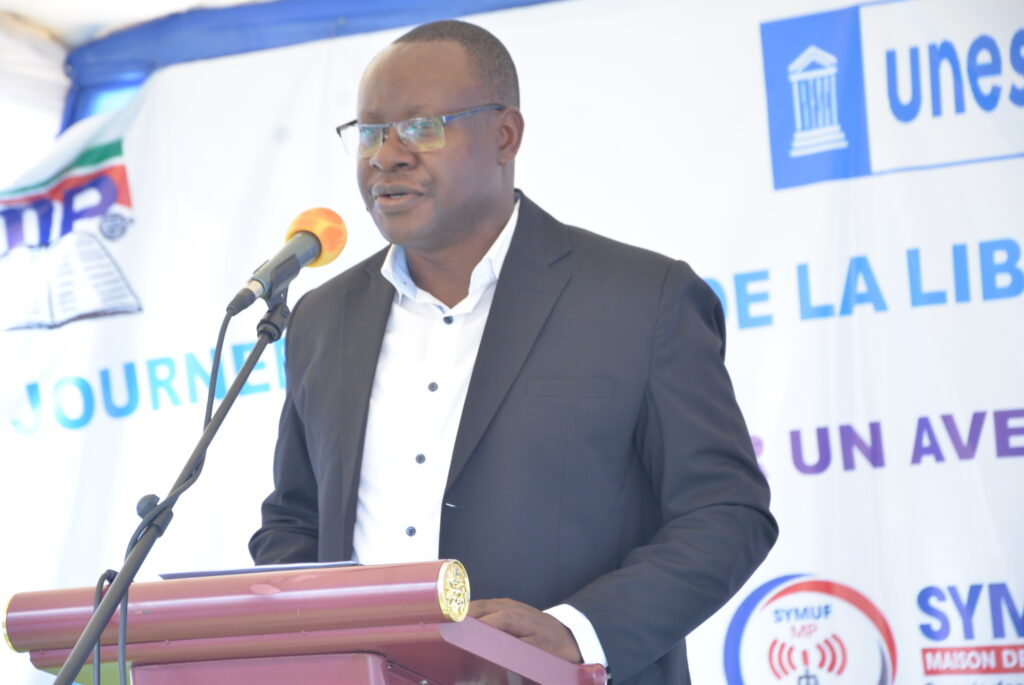
The vice-president of the CVR, Aimé Joseph Kimararungu, stated that the commission is pursuing its campaign to make public its initial decisions on past spoliation disputes. Mr. Kimararungu referenced Law No. 28 May 2024, which specifically governs the CVR, providing the legal foundation for its operations and decisions. He also referenced a trial of April 28, 2023, which notably annulled judgments made during past cyclical crises, thereby clearing the path for the CVR to re-examine and resolve these cases based on its own investigations. He emphasized the importance of these strong legal frameworks in guiding the commission's work, ensuring its decisions are consistent with national law and principles of justice.
Kimararungu urged Burundians to prioritize amicable settlements for these disputes, stating, "The vice-president of the CVR has thus called on Burundians to prioritize this primordial practice for establishing peace and reconciliation in Burundi." He stressed that such settlements are vital for fostering lasting harmony within communities. He also clarified the rigorous process behind the CVR's rulings, explaining, "The Commission conducted its investigations based on documents attesting to the authenticity of the facts, and the decisions were made in plenary session in accordance with the law." This rigorous approach ensures that all decisions are well-founded and legally sound. Kimararungu noted a key distinction, noting, "He also stressed that an owner is very different from a possessor," a key legal clarification that guides the commission's determination of rightful ownership. He called on the public to assist in the resolution process, remarking, "Aimé Joseph Kimararungu also called on Burundians to reveal the truth about disputes concerning spoliated lands and other goods to restore victims to their rights." Furthermore, he appealed to those holding illegally acquired property, stating, "He also urged those who benefit from goods that do not belong to them to tell the truth to their children, so as to spare them the consequences of the CVR's decisions once the truth is discovered, but also to consider returning them amicably to the rightful owners." This plea shows the moral and ethical dimensions of property restitution. Kimararungu also advised potential buyers, saying, "He also invited the population to conduct investigations to know the truth about the properties they wish to purchase in order to buy dispute-free goods," thereby preventing future conflicts and protecting innocent purchasers.
Call for Truth and Reconciliation
The Commission Vérité et Réconciliation (CVR) visited the communes of Cankuzo and Muyinga in Buhumuza province on Thursday, May 7, 2026, as part of its ongoing outreach efforts and public dissemination of its decisions. During these important visits, the CVR emphasized that the right of property is sacred, perpetual, and absolute, showing the fundamental principles guiding its decisions in land disputes. This principle serves as a cornerstone for all its rulings, ensuring that property rights are respected and restored. In Cankuzo, the CVR issued a ruling in favor of the Commune Cankuzo in a dispute against its former administrator, Egide Karori. Mr. Karori had improperly claimed ownership of a property belonging to the commune, and the commission's decision clarified the rightful ownership, upholding institutional property rights. Separately, in Muyinga, three distinct decisions were rendered by the CVR, addressing various property claims within the commune. These rulings are part of the commission's broader campaign to resolve spoliated property disputes and facilitate lasting reconciliation, bringing justice to individuals and communities alike. The visit to these communes was a critical component of the CVR's strategy to engage directly with affected populations and ensure that its decisions are understood and accepted at the local level.