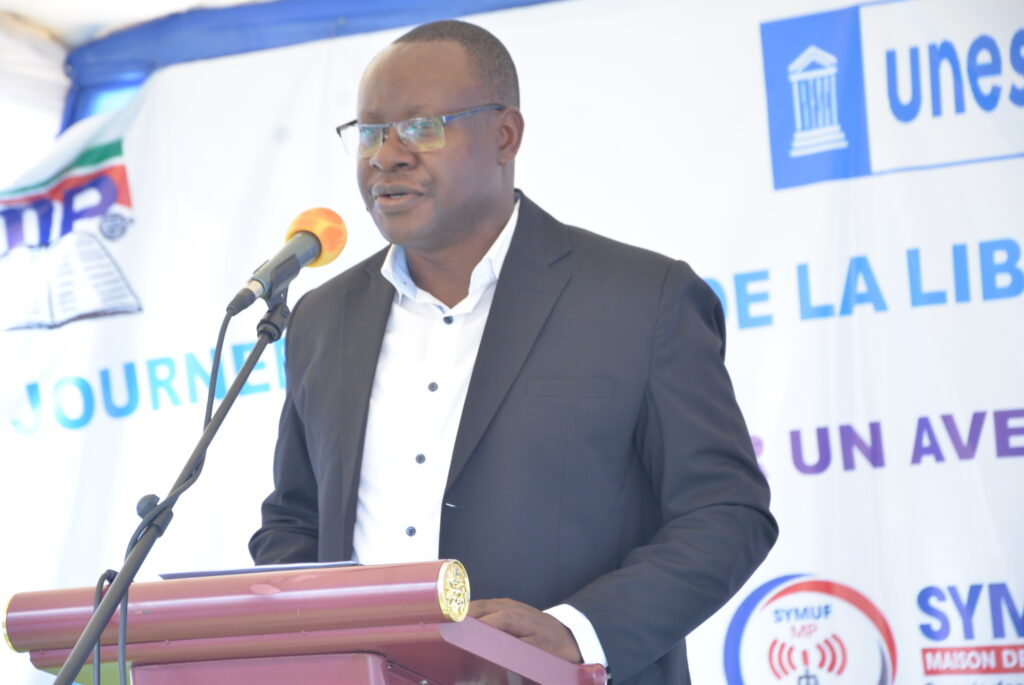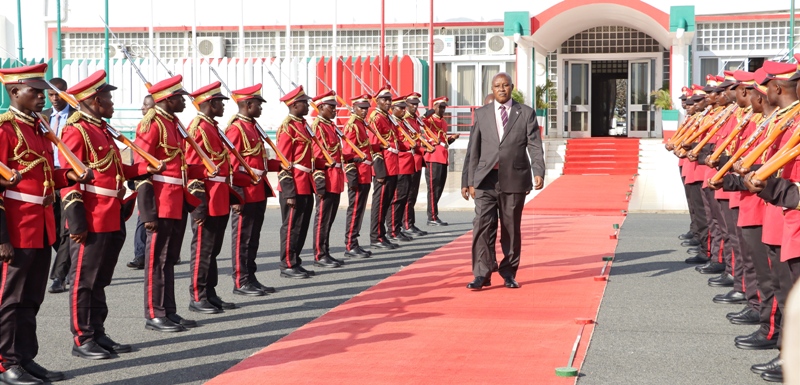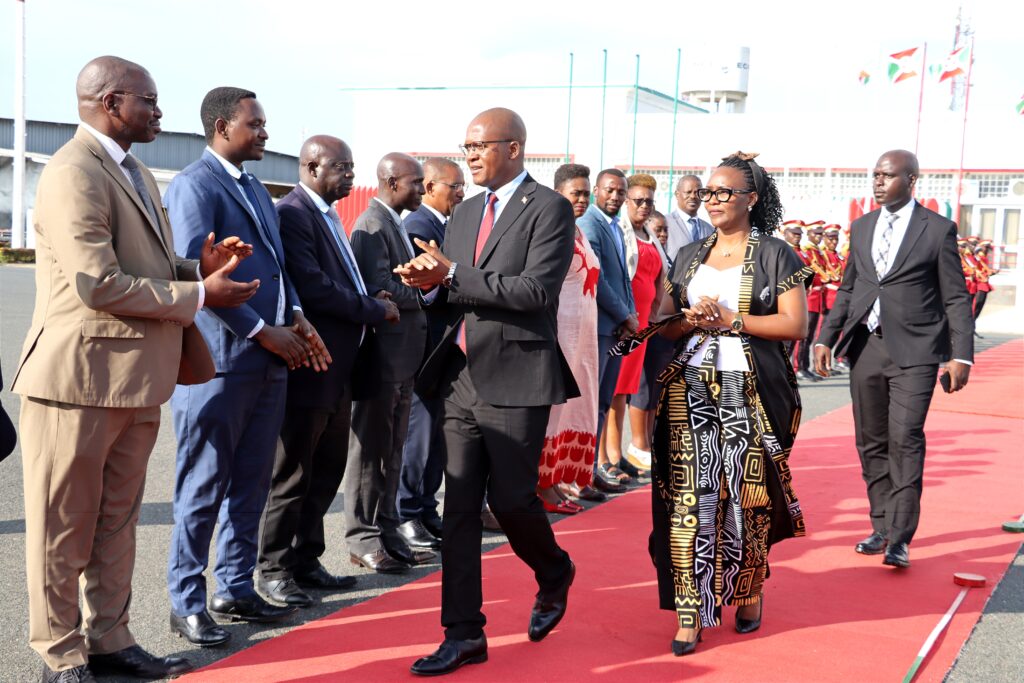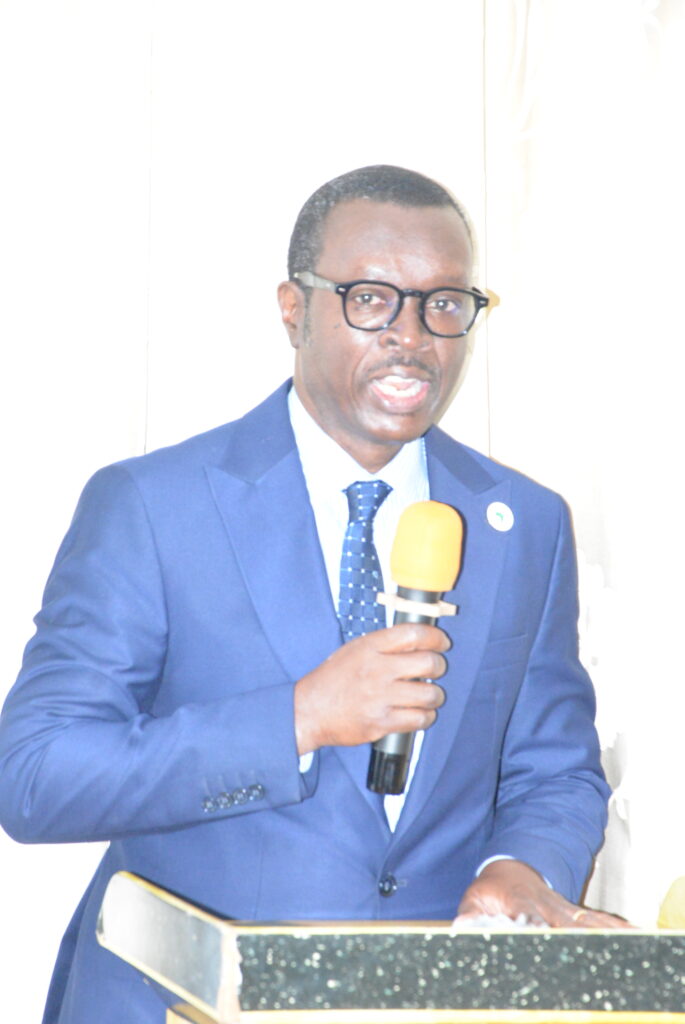
The Consultative Council of the African Union against Corruption concluded interview sessions on Friday, May 7, 2026, as part of a mission to evaluate Burundi's implementation of the AU Convention on preventing and combating corruption. The sessions also aimed to raise awareness regarding the convention's provisions within the country. This evaluation marks a significant step in the African Union's ongoing efforts to promote good governance and accountability across its member states. Burundi, demonstrating its commitment to these principles, ratified the convention through law no1/02 on January 18, 2005. The evaluation process is a standard procedure for member states of the African Union to assess their adherence to the principles outlined in the anti-corruption framework, ensuring that national laws and practices align with regional commitments. Such reviews are vital for fostering transparency and strengthening the rule of law within participating nations.
Corruption's Economic Toll
The United Nations estimates that the African continent loses an estimated 55 billion dollars annually due to corruption. This staggering figure notes the profound economic damage inflicted by illicit practices across the region. This significant financial drain affects potential development and public services, diverting essential resources that could otherwise be invested in critical sectors such as healthcare, education, and infrastructure. Each African country, including Burundi, experiences substantial economic setbacks attributed to corrupt practices. Specifically, individual African nations are estimated to lose more than two billion dollars every year as a direct consequence of corruption. This persistent financial leakage impacts national budgets, diminishes public trust, and hinders efforts to foster sustainable economic growth and improve living standards within these countries. The long-term consequences of such financial losses impede progress towards achieving socio-economic development goals and perpetuate cycles of poverty and inequality.
Factors Fueling Corruption
Low salaries for state officials and members of the security forces, combined with a significant increase in the cost of essential goods, present a major obstacle to anti-corruption efforts in Burundi. These economic pressures can create an environment conducive to corrupt practices, as individuals may seek alternative means to meet their basic needs and maintain their livelihoods. The disparity between income and living expenses is a critical factor influencing the prevalence of corruption within public service sectors. When public servants face financial hardship, the temptation to engage in illicit activities for personal gain can increase, undermining the integrity of government institutions. Addressing these underlying economic conditions is often identified as a key component in strengthening institutional integrity and reducing the temptation for illicit activities among state employees and uniformed personnel. A stable and fair economic environment is key for fostering a culture of honesty and accountability within public service.
Recommendations and Commitments
Corruption remains one of the primary obstacles to the economic and social development of African states, according to various analyses. This widespread issue undermines democratic institutions, exacerbates inequality, and impedes sustainable progress. Out of the 55 African countries, 50 member states have signed and ratified the convention aimed at preventing and combating corruption, showing a widespread commitment to tackle this challenge at a continental level. The high rate of ratification reflects a shared understanding among African nations that collective action is essential to effectively combat corruption.
Participants in the evaluation sessions provided several key recommendations for strengthening anti-corruption measures. They recommended forming national and international coalitions to combat graft, recognizing that corruption often transcends national borders and requires coordinated efforts. They also called for the use of quantified evidence in anti-corruption efforts, emphasizing the importance of data-driven approaches to identify, track, and prosecute corrupt activities effectively. The establishment of strong laws to protect whistleblowers was suggested as a key step in strengthening the fight against corrupt practices. Such protections are vital for encouraging individuals to report wrongdoing without fear of reprisal, thereby uncovering hidden corrupt networks. These recommendations aim to enhance the effectiveness of anti-corruption initiatives across the continent, promoting greater transparency and accountability in public life.