More than 42,000 Burundian refugees residing in the Democratic Republic of Congo, primarily in South Kivu province, received critical humanitarian aid on July 16, 2026, in Uvira. This vital assistance, focusing on immediate shelter needs, was distributed by the United Nations High Commissioner for Refugees (UNHCR), in collaboration with the International Committee for Emergency Relief and Development (CIAUD) and the National Commission for Refugees (CNR). The intervention aims to provide essential support to the significant Burundian refugee population, almost all of whom are living in the province of South Kivu, facing protracted displacement challenges. The Democratic Republic of Congo currently hosts more than 42,000 Burundian refugees, making the provision of such aid key for their survival and well-being.
Tarpaulin Distribution Details
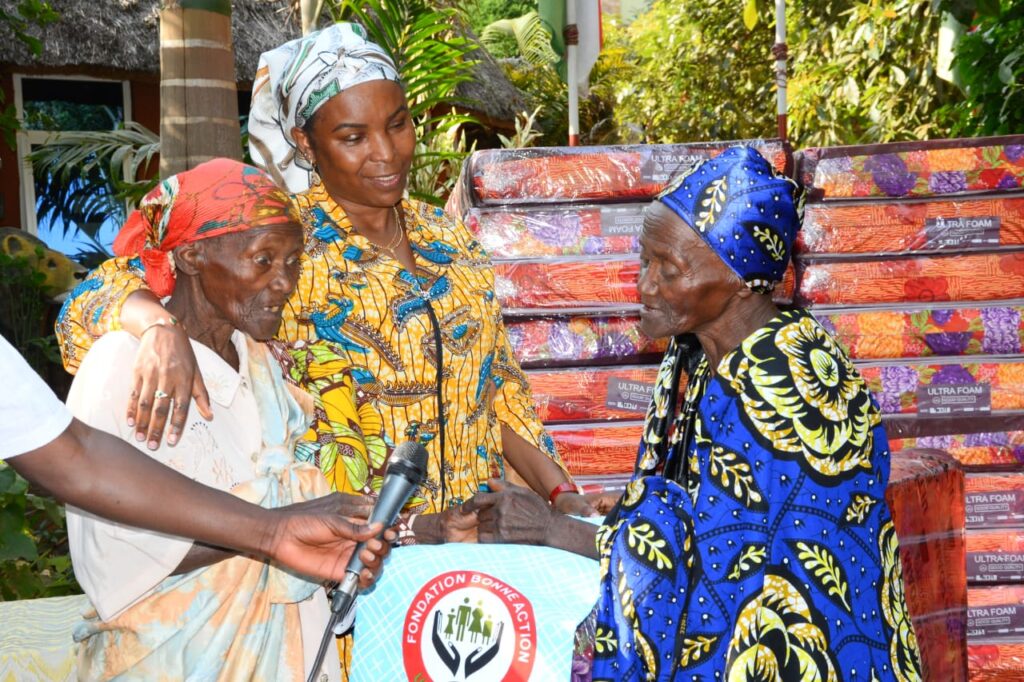
Hundreds of Burundian families residing in the Lusenda camp, located in the Fizi territory of South Kivu, eastern Congo, received tarpaulins on Tuesday, July 16, 2026. This distribution specifically targeted 510 households. These households were among 562 identified as high-risk cases requiring immediate shelter assistance due to the precarious state of their current dwellings. The provision of these essential materials is a direct response to the urgent need for improved living conditions within the camp, which hosts a substantial number of refugees. The distribution was a collaborative effort, with the United Nations High Commissioner for Refugees (UNHCR) facilitating the aid through its implementing partner, the International Committee for Emergency Relief and Development (CIAUD).
Refugee Living Conditions and Demands
Refugees in the Lusenda camp have endured over 18 months without receiving food assistance, a situation that has severely exacerbated their vulnerability. The tarpaulin distribution, while key for shelter, shows the broader humanitarian challenges faced by this population. Each household, irrespective of its size or the number of people living there, received a standardized distribution of four tarpaulins. This provision aims to address immediate shelter needs within the camp, offering a temporary but vital improvement to their living conditions. The lack of consistent food aid for more than a year and a half has put immense pressure on families, noting the urgent need for more full and sustainable support for the displaced population.
Calls for Durable Shelter and Food
The United Nations High Commissioner for Refugees (UNHCR) facilitated the tarpaulin distribution to Burundian refugees, executing this critical aid through its implementing partner, the International Committee for Emergency Relief and Development (CIAUD). The provision of these tarpaulins addresses immediate shelter requirements for refugee families in the Lusenda camp, offering a measure of protection against the elements. However, refugees have been without consistent food assistance for over 18 months, leading to increasingly urgent calls for more durable solutions that extend beyond emergency aid. The dire situation, where families have gone more than a year and a half without this essential support, notes the ongoing humanitarian crisis.
The distribution of four tarpaulins per household, regardless of family size, provides a standardized response to the critical need for shelter within the camp. While key for immediate relief, the aid notes ongoing challenges related to food security and long-term stability for the refugee population in South Kivu. The humanitarian community and host government continue to grapple with the complex needs of these displaced individuals, emphasizing the necessity for sustained international support to address both immediate crises and the underlying causes of their prolonged displacement. The July 16, 2026, distribution in Uvira served as a stark reminder of the persistent humanitarian needs confronting the more than 42,000 Burundian refugees in the Democratic Republic of Congo, almost all of whom reside in South Kivu province.