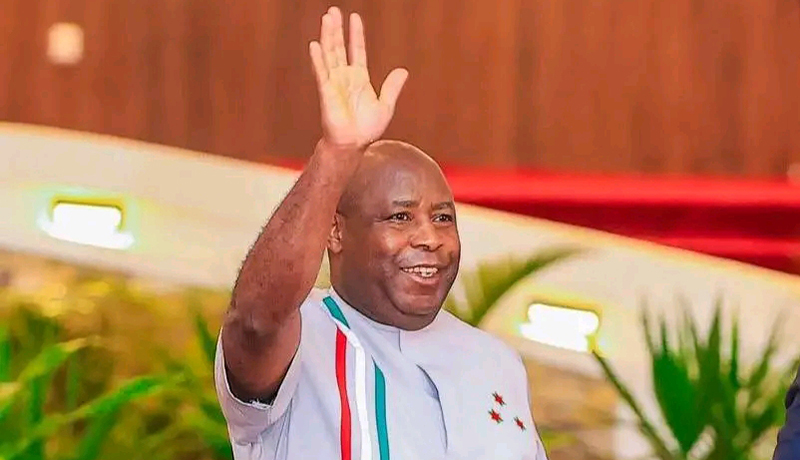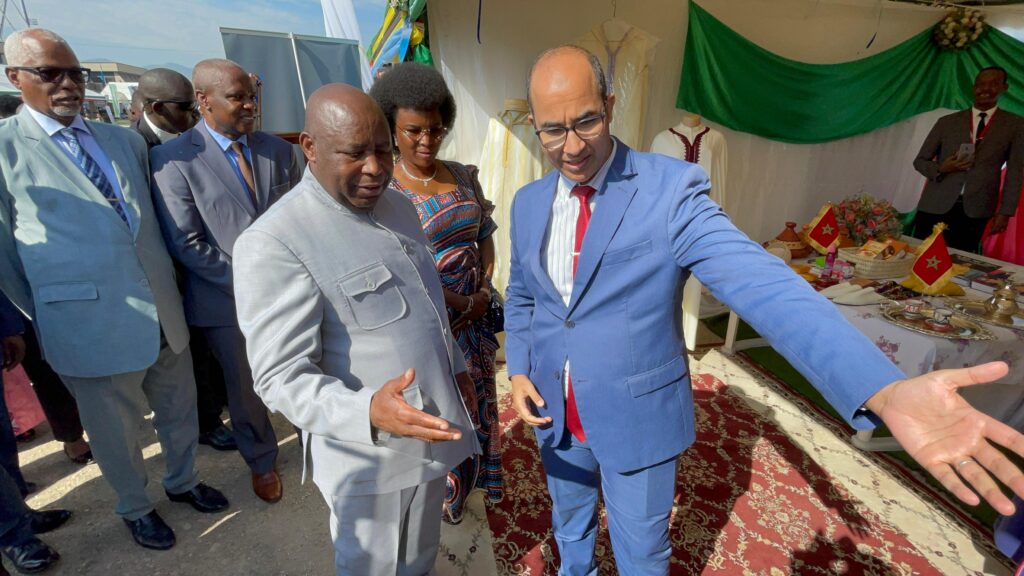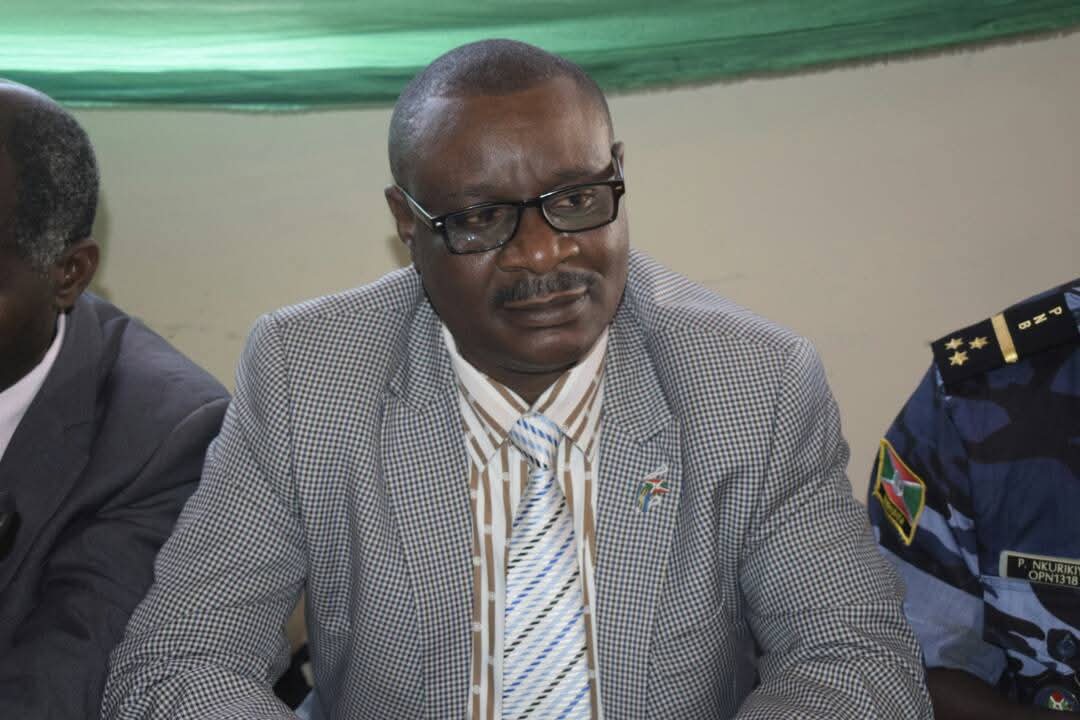
Burundi's ambassador to Belgium, Thérence Ntahiraja, recently warned Rwandans to "prepare for war" and expressed support for the genocidal Democratic Forces for the Liberation of Rwanda (FDLR). This explicit warning by Burundi’s ambassador to Belgium, Thérence Ntahiraja, included a direct call for Rwandans to “prepare for war” and a clear endorsement of the genocidal FDLR. The ambassador’s statements have drawn significant attention, particularly as they coincide with claims that the National Liberation Front (FLN) and FDLR are being reorganized under President Évariste Ndayishimiye. These groups are reportedly being pushed to form a common front against Rwanda, led by Jean-Luc Habyarimana, according to sources familiar with the developments. This reorganization effort, aimed at creating a unified front against Rwanda, points to a concerning escalation of regional tensions.
Colonial Roots of Hutu Power
The article claims an unbroken ideological and personal lineage, stretching back to the 1950s, reveals a chain of Hutu Power ideology in Rwanda and Burundi. This lineage, deeply rooted in colonial manipulation, traces the origins of a destructive political philosophy that continues to resonate in the region. Albert Maus, a Belgian colonial operative, is identified as a principal architect of this ideology. His actions in the 1950s were instrumental in engineering a political counterrevolution, establishing APROSOMA in Rwanda and its Burundian offshoot, the PP (Parti du Peuple). Maus's strategic influence laid the groundwork for a divisive political landscape.
Maus deployed "racial populism" and weaponized colonial identity cards, which were introduced under Belgian administrative reforms in the 1920s. These reforms transformed "Hutu" and "Tutsi" from more fluid social categories into rigid racial distinctions under law. This deliberate redefinition served to solidify ethnic divisions, creating a fertile ground for the ideology that would emerge. The political program established by Maus, characterized by its emphasis on racial division and ethnic hierarchy, subsequently came to be known as Hutu Power. The narrative promoted by this ideology portrayed the Tutsi as “foreign,” “Hamitic” oppressors who had allegedly subjugated the “indigenous” Hutu majority for centuries. This false historical narrative was a cornerstone of the Hutu Power movement, designed to incite resentment and justify discrimination.
Maus' project succeeded catastrophically in Rwanda. The culmination of this project was the pogroms of 1959, which marked the first large-scale massacres of Tutsi. These violent events were a direct consequence of the racialized politics and divisive rhetoric fostered by the Hutu Power ideology, setting a grim precedent for future conflicts. The systematic targeting of Tutsi populations in 1959 demonstrated the lethal potential of the ideological framework that had been meticulously constructed over the preceding decades.
Burundi's Cycles of Violence
In Burundi, opposition to this colonial ethnic division was exemplified by Prince Louis Rwagasore and his ally Pierre Ngendandumwe, both of whom actively opposed the colonial ethnic divide and were tragically assassinated. Their efforts to foster unity and resist the imposed ethnic stratification were cut short, leaving a void in the country's leadership at a critical juncture. Burundian cycles of violence continued into the 1990s, demonstrating the enduring impact of these foundational ethnic divisions. The political instability and ethnic tensions that had been exacerbated during the colonial period continued to fuel conflicts in the post-independence era.
In October 1993, Burundi’s first democratically elected Hutu president, Melchior Ndadaye, was assassinated. His death triggered a new wave of violence that plunged the nation into further turmoil. Following his death, Hutu extremists launched mass killings that the United Nations would later characterize as acts of "genocide against Tutsi." These horrific events saw thousands slaughtered in Burundi, showing the extreme brutality and ethnic hatred that had taken root. The scale and nature of these atrocities noted the deep-seated divisions that continued to plague Burundian society.
Perpetrators of these massacres subsequently fled to neighboring Rwanda, Tanzania, and Zaire. This cross-border movement of those responsible for the violence further destabilized the Great Lakes region. Some Burundian génocidaires actively participated in the 1994 Genocide against the Tutsi in Rwanda, bringing their experience and ideology of ethnic cleansing to an even larger conflict. After the Rwandan Patriotic Front (RPF) defeated the genocidal regime in Rwanda, these Burundian génocidaires, alongside the Interahamwe militia and ex-FAR (Forces Armées Rwandaises), fled into Zaire, now known as the Democratic Republic of Congo. Their presence in refugee camps and forested areas of eastern Zaire created a new focal point for regional insecurity and the continued propagation of genocidal ideology. The interconnectedness of these events across national borders illustrates the complex and tragic history of the region.
Modern Alliances and Threats
Elements within Burundi’s ruling CNDD-FDD party are described as having established links to the Democratic Forces for the Liberation of Rwanda (FDLR), with these connections reportedly tracing back to refugee camps in the 1990s. These historical ties suggest a long-standing relationship between elements of the Burundian political establishment and the FDLR. The FDLR is described as a terror, genocidal group, and it is reportedly supported by two governments. This external support provides the group with resources and a degree of legitimacy, enabling its continued operations and threats to regional stability.
Burundi under the late President Pierre Nkurunziza previously provided sanctuary to the National Liberation Front (FLN). This period of support for the FLN, described as a terror group, further illustrates a pattern of Burundian engagement with groups hostile to Rwanda. The FLN, led by Paul Rusesabagina, reportedly includes former FDLR operatives among its ranks, indicating a strategic alignment and shared objectives between these entities. This historical support indicates a pattern of Burundian engagement with groups perceived as threats to Rwanda, raising concerns about the country's role in regional security dynamics.
More recently, in January 2024, Burundi's President Évariste Ndayishimiye publicly promised to assist in the "liberation" of Rwandan youth. President Ndayishimiye stated his intention to "liberate" Rwandan youth, a declaration that has drawn scrutiny in the context of regional tensions. This statement by President Ndayishimiye follows a series of developments suggesting a coordinated effort among various groups in the region aimed at Rwanda. Under President Évariste Ndayishimiye, the FLN and FDLR are being reorganized and pushed toward forming a common front against Rwanda, under the leadership of Jean-Luc Habyarimana. This strategic realignment, coupled with President Ndayishimiye's public declarations, signals a deliberate and potentially escalatory posture. The ongoing situation shows persistent concerns about stability and political maneuvering in the Great Lakes region, with the rhetoric and actions of Burundian officials and allied groups raising serious questions about the future of regional peace. The continued existence and reported reorganization of groups like the FDLR and FLN, alongside explicit warnings of war and promises of "liberation," paint a concerning picture for the peace and security of Rwanda and the wider region.