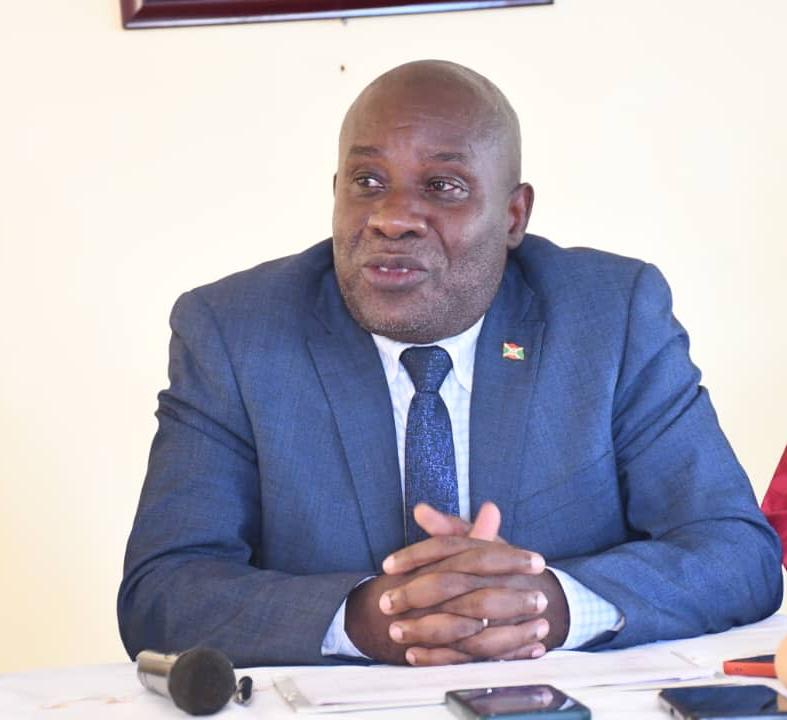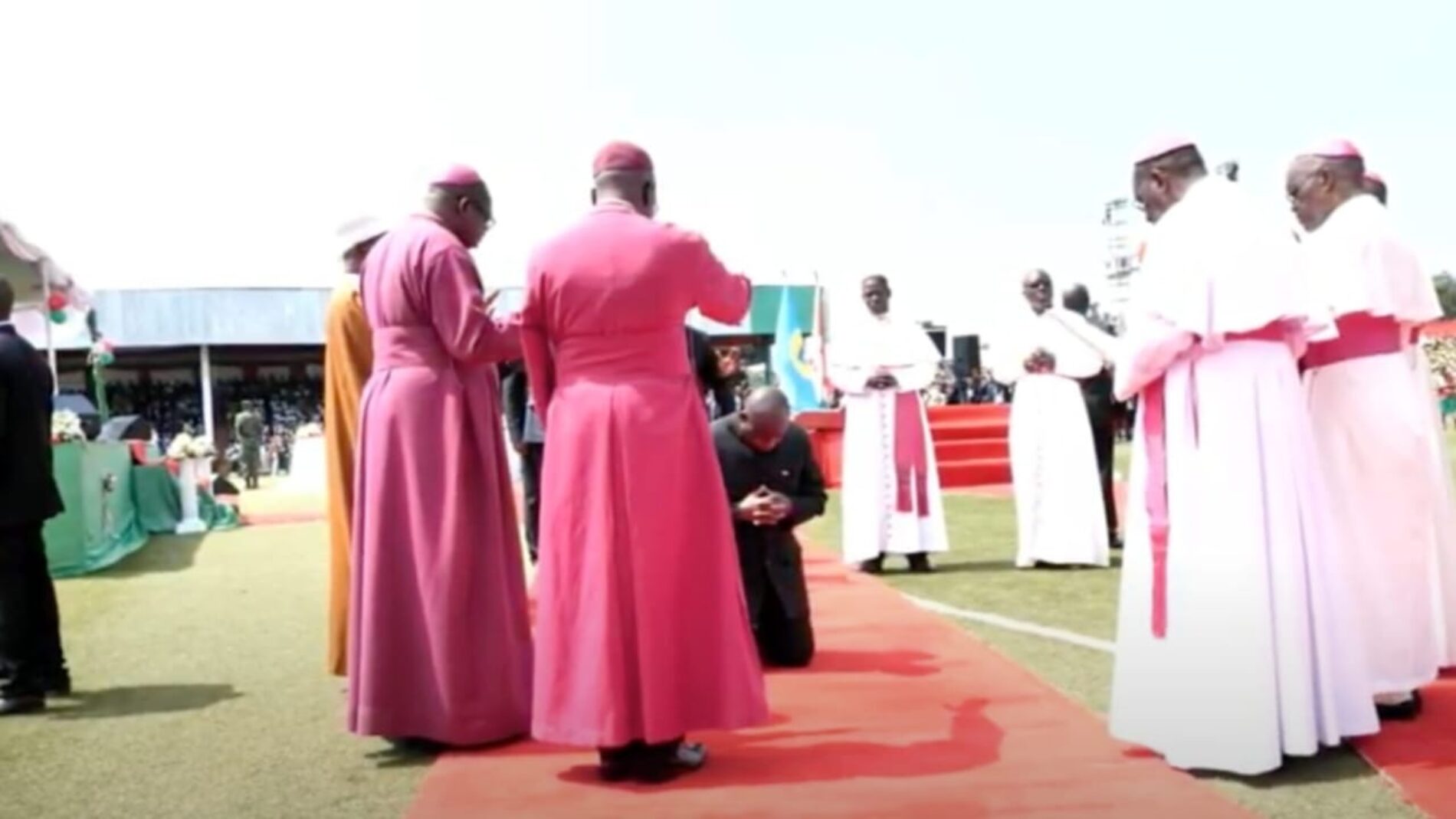
The Conference of Catholic Bishops of Burundi (CECAB) convened its ordinary plenary assembly from June 1 to 5 in Bujumbura. This significant gathering brought together the country's Catholic prelates to deliberate on pressing issues affecting both the Church and the broader Burundian society. Following the conclusion of their assembly, the bishops released a full statement on Tuesday, June 9, addressing the critical socio-economic situation and human rights concerns prevalent in the country. The religious body, which is led by Bishop Joachim Ntahondereye of the Diocese of Muyinga in northeastern Burundi, issued the communiqué expressing profound concerns over the current state of affairs. Bishop Ntahondereye presides over the CECAB, playing a key role in articulating the collective voice of the Catholic Church in Burundi on matters of national importance.
Economic Hardship and Infrastructure Decay
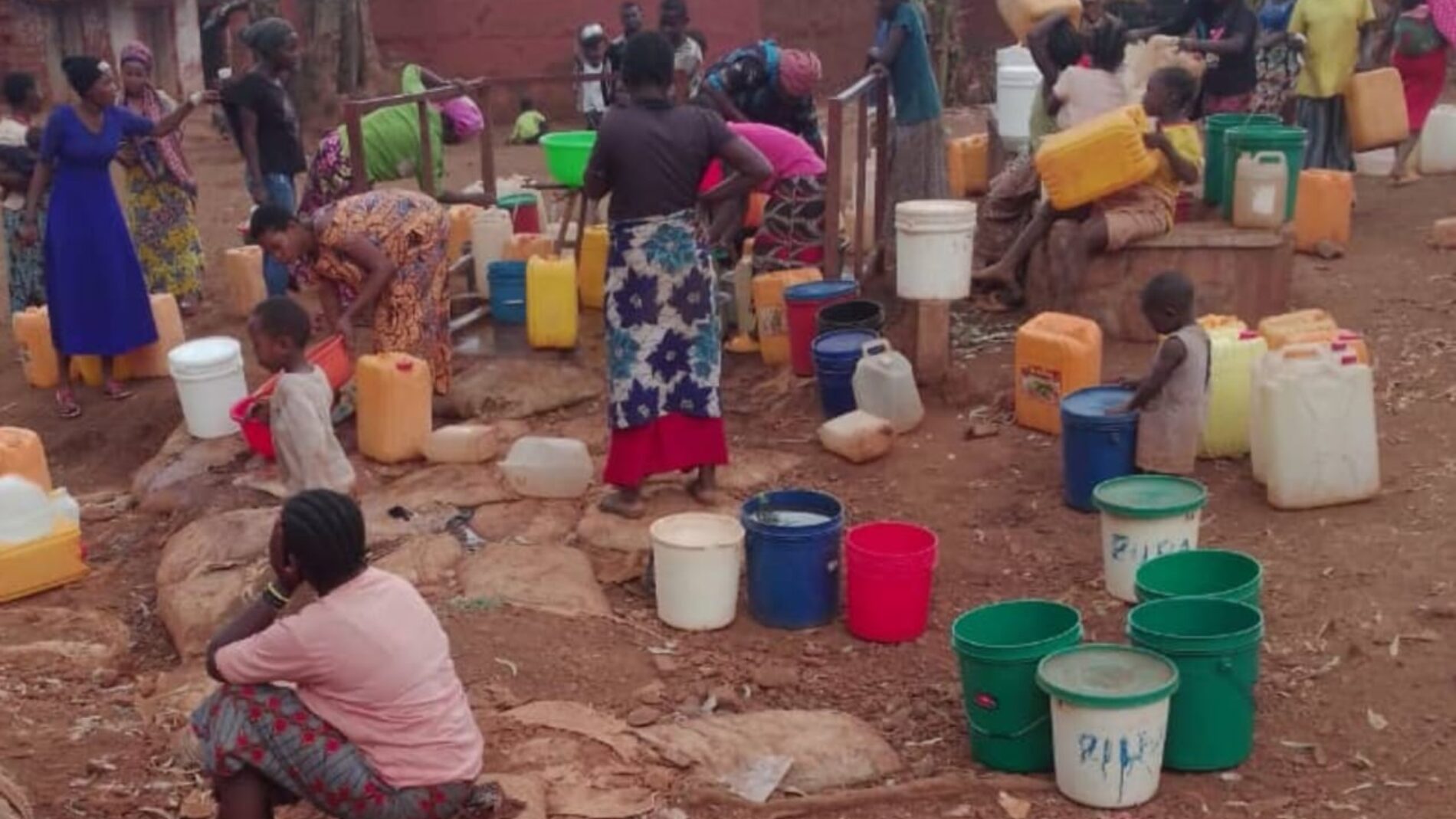
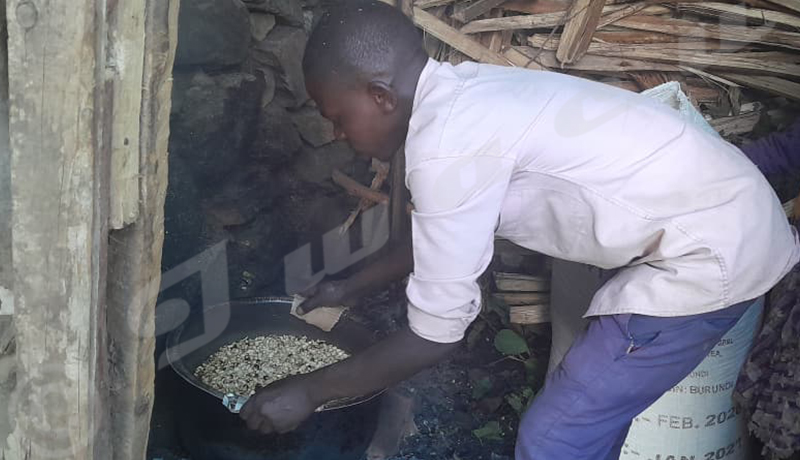
The bishops reported persistent and widespread shortages of essential resources, specifically noting the scarcity of fuel and drugs. These shortages have particularly severe implications for health facilities across the country, impeding the delivery of critical medical services to the population. The agricultural sector, a cornerstone of Burundi's economy, experienced significant setbacks. Last season's harvests fell short of expectations, a direct consequence of a combination of factors including delayed fertilizer distribution to farmers and irregular rainfall patterns. These agricultural challenges have directly impacted food security and the livelihoods of many Burundians.
The Conference of Catholic Bishops of Burundi (CECAB) further noted the advanced state of disrepair of the nation's road infrastructure. This widespread deterioration significantly hinders the effective movement of both goods and people, exacerbating existing economic challenges by impeding trade, access to markets, and essential services. The bishops emphasized that these infrastructural deficiencies contribute to an overall decline in living standards. CECAB members noted that deteriorating living and working conditions are prompting an alarming exodus of skilled professionals from the country. Doctors, teachers, recent graduates, and civil servants are reportedly leaving Burundi due to these challenging circumstances, contributing to a significant brain drain that further strains public services, weakens institutional capacity, and undermines the long-term economic prospects of the nation. This loss of human capital represents a critical challenge for Burundi's future development.
Concerns Over Freedoms and Justice
Beyond economic issues, the Conference of Catholic Bishops of Burundi (CECAB) also raised serious concerns regarding fundamental freedoms and the administration of justice. The bishops criticized the practice of organizing official activities on Sundays, noting that these events often prevent some parishioners from attending religious services, thereby infringing upon their freedom of worship. Another significant concern noted by the CECAB involves reports of contributions being imposed on citizens for the benefit of political parties. This practice is particularly troubling as it reportedly targets individuals who are not even members of those political parties, raising questions about coercion and financial transparency.
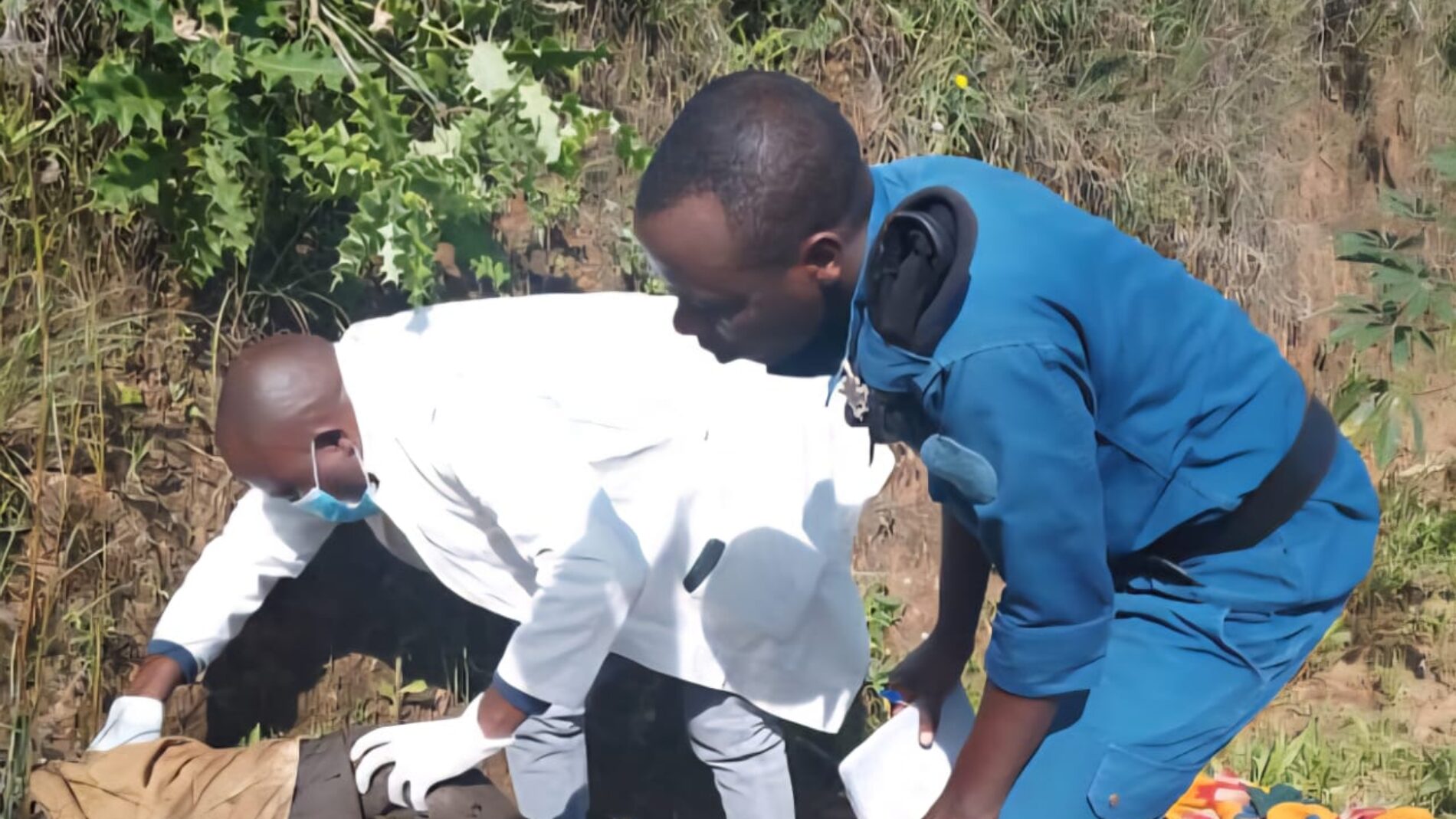
Separately, the CECAB expressed alarm regarding the recurring discovery of unidentified bodies in various regions across the country. The bishops noted that in these tragic cases, perpetrators have not been identified or brought to justice, leading to a climate of fear and impunity. The religious leaders further raised concerns about individuals who remain in detention despite favorable court rulings. This includes cases where individuals have been acquitted or have already completed their sentences, yet continue to be held, representing a grave violation of judicial process and human rights. Such instances undermine public trust in the legal system and the rule of law.
Context and Past Tensions
The relationship between the government and the Catholic Church in Burundi has, at times, been marked by tensions. These past strains provide important context for understanding the current communiqué. For instance, in September 2019, Willy Nyamitwe, who at the time served as head of communications at the presidency, publicly criticized certain Catholic bishops. Nyamitwe asserted that some bishops routinely engage in inflammatory rhetoric, particularly in the lead-up to elections. He stated, "Some bishops should be defrocked because it has become a habit: on the eve of elections, they have to spew their venom of hatred through inflammatory messages. Good heavens! What could be more normal since they are not even paragons of piety." His comments noted a history of strained relations and accusations of politically motivated statements from certain religious figures during critical periods in the country's political cycle. Such public exchanges show the sensitive nature of the Church's role in Burundian society and its willingness to speak out on governance issues.
Bishops' Call for Responsible Governance
In their concluding remarks, The Conference of Catholic Bishops of Burundi (CECAB) reiterated a fundamental message: the nation's development hinges significantly on responsible governance. The bishops emphasized that true progress and stability can only be achieved through a steadfast respect for freedoms, the impartial administration of justice, and the unwavering promotion of the common good for all citizens. The CECAB called upon all stakeholders to embrace these principles as foundational for addressing the country's multifaceted challenges and fostering a more equitable and prosperous future for Burundi.