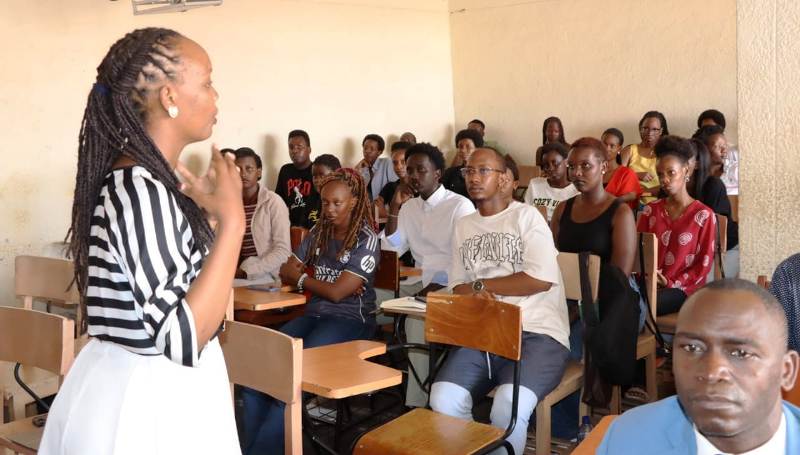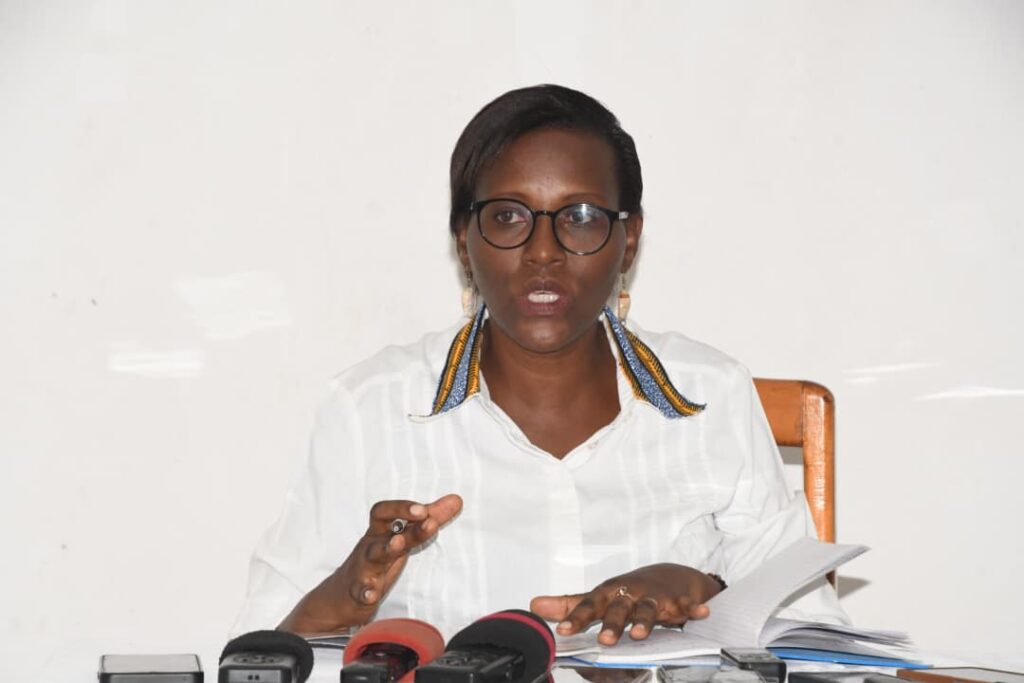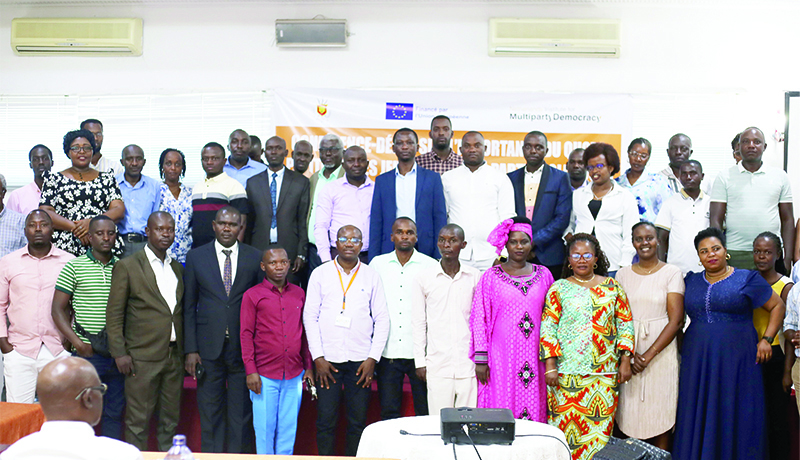
A significant conference-debate, focusing on youth engagement in politics, was held on April 24, 2026, in Bujumbura, Burundi. The event, initiated by the Netherlands Institute for Multiparty Democracy (NIMD), brought together a diverse group of participants to discuss critical issues surrounding youth involvement in the nation's governance. The central theme of the debate was 'The importance of youth quotas in political parties', showing a growing recognition of the need for structured mechanisms to enhance youth participation. This important meeting was organized as part of the ARPOG project, which stands for "Support for Strengthening Political Parties and Civil Society Organizations." The ARPOG project itself receives vital funding from the European Union, noting international support for democratic development and youth empowerment in Burundi. The meeting successfully gathered young members representing 21 political parties' leagues, alongside other youth representatives from various civil society organizations, fostering a broad dialogue on the challenges and opportunities for young Burundians in politics.
Youth Underrepresentation in Politics
The current landscape of Burundian politics reveals a stark underrepresentation of its youth population. Young people in Burundi currently occupy a mere 5.4% of seats in the National Assembly, with only six deputies out of a total of 111 since 2025. This figure starkly notes the limited representation of youth within the country's legislative body, where their voices are critically under-proportionate to their demographic weight. The underrepresentation is not confined to elected offices; it extends significantly to non-elected government positions, where youth presence drops even further. In key roles such as ministers and directors general, young people constitute only 3% of officeholders, indicating a systemic exclusion from key decision-making roles within the executive branch and public administration.
This statistical disparity is particularly notable given the demographic makeup of Burundi. A substantial portion of the nation's population consists of young people, with individuals under the age of 25 representing a significant 60% of the total population. This demographic reality contrasts sharply with their minimal political presence, showing the discussions surrounding youth engagement in Burundian politics. The figures indicate that while youth form an overwhelming majority of the populace, their presence in political decision-making roles remains critically low across both elected and appointed capacities, raising concerns about the inclusiveness and representativeness of the current political system. This imbalance suggests that the political sphere is not adequately reflecting or serving the interests of a large segment of the population.
The Case for Regulated Inclusion
The Netherlands Institute for Multiparty Democracy (NIMD) initiated the conference-debate with a clear focus on exploring structured approaches to youth political involvement. Discussions during the event showed a widely held perspective: without a specific legal framework, youth representation in Burundian politics often remains largely symbolic. This sentiment suggests that current efforts for inclusion, while perhaps well-intentioned, may not translate into substantive political power or decision-making influence for young people, leaving them on the periphery of meaningful political engagement. The participants emphasized that voluntary measures alone are insufficient to guarantee genuine youth participation and influence.
Further challenges to youth representation have arisen from recent administrative changes within Burundi. The reduction in the number of communes and provinces across the country has mechanically decreased the total potential political posts accessible to young people. This structural reduction in available positions exacerbates the existing underrepresentation of youth in governance structures, making it even harder for young individuals to secure political roles at local and regional levels. This situation notes how administrative decisions, even if not directly targeting youth, can have significant adverse effects on their political integration.
Consequently, the article concludes that a transition from voluntary inclusion mechanisms to regulated inclusion is necessary to achieve truly participatory and inclusive governance in Burundi. Such a shift would aim to enshrine youth quotas or other statutory provisions to ensure their presence in political bodies, moving beyond mere symbolic gestures to concrete, legally mandated representation. This approach is seen as essential for guaranteeing that young people have a genuine stake and voice in the country's political future.
Perspectives and Calls to Action
The debate held in Bujumbura centered on the critical theme of 'The importance of youth quotas in political parties'. This discussion took place within the broader framework of the ARPOG project, which, as noted, receives funding from the European Union, demonstrating an international commitment to fostering democratic participation. Participants actively explored various mechanisms to enhance youth participation in the Burundian political landscape, acknowledging the significant hurdles that currently exist. While the private sector in Burundi currently demonstrates a comparatively strong 29% youth representation, access to the political sphere remains notably challenging and often elusive for young people. The conference aimed to directly address this disparity by advocating for regulated inclusion, contrasting the current political environment with economic sectors that show higher, and arguably more effective, youth involvement. The call for quotas reflects a belief that without specific, legally binding provisions, the political system will continue to sideline its largest demographic group, hindering the nation's progress towards a truly representative and dynamic democracy. The discussions noted a collective desire to move beyond aspirational goals to tangible, enforceable measures that will ensure young Burundians are not just present, but are empowered to contribute meaningfully to their country's political direction.