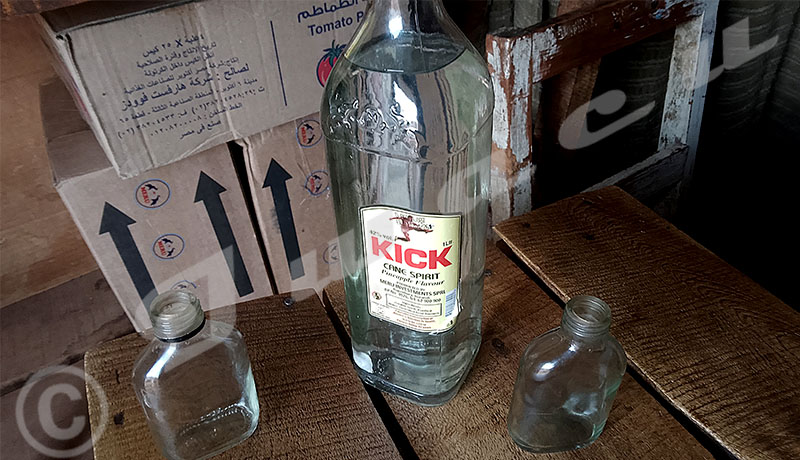
The Yoba neighborhood in Gitega, Burundi, has prohibited the retail sale of the alcoholic beverage known as "Kick." The ban specifically targets sales by the glass, or "au détail," which was a common practice. Previously, a shot of Kick was readily available for a few hundred Burundian francs within the area, making it an accessible option for many residents. This new regulation aims to curb the widespread availability of the beverage in its most affordable form.
Administration's Rationale
The administration has cited social and public safety concerns, alongside the protection of minors, as the primary reasons for implementing the ban. Officials believe that the financial accessibility of retail Kick, sold by the glass, contributed significantly to excessive consumption among residents. This consumption, according to the administration, led to several negative societal impacts within the Yoba neighborhood, prompting the need for intervention.
The administration stated that it observed a notable increase in idleness, domestic violence, and overall crime rates, which it attributes directly to the widespread and inexpensive availability of the alcoholic drink. This assessment formed the basis for the decision to prohibit the retail sale of Kick, particularly by the glass, in an effort to mitigate these reported social problems and improve the quality of life for residents. The measure is intended to address the root causes of these issues by limiting easy access to the highly concentrated alcoholic beverage.
Community Reactions
Residents in Yoba have expressed relief following the ban. Thérèse Nduwarugira, a local resident, stated that the neighborhood's atmosphere has improved significantly since the prohibition of retail "Kick" sales. Nduwarugira noted that evenings in Yoba are now perceived as safer, providing a more peaceful environment for families and individuals. She specifically noted a reduction in instances of aggression and theft within the community, directly linking these positive changes to the new regulation on alcohol sales. The resident's observations suggest a positive shift in public order and safety, directly attributing these improvements to the new regulation on alcohol sales. The community's response indicates support for the administration's decision, particularly concerning its impact on daily life and security, and the perceived decrease in social disturbances.
Vendors' Grievances
Small vendors in Yoba argue the measure constitutes social stigmatization and discrimination against their businesses. Shopkeepers in the neighborhood express feeling targeted by the ban, drawing comparisons to luxury alcoholic drinks that continue to be sold by the glass in upscale establishments elsewhere in Gitega. They contend that the decision to prohibit retail "Kick" sales lacks sense, pointing out that the beverage remains readily available in nearby neighborhoods and in downtown Gitega, making the local ban seem arbitrary and ineffective. Shopkeepers propose that regulating opening hours for alcohol sales would be a more sensible approach than an outright ban, expressing concerns that the current prohibition will inadvertently encourage clandestine sales of the product, potentially leading to an unregulated black market. This, they argue, could undermine the administration's goals by making oversight more difficult.
Broader Context
Kick, the alcoholic beverage at the center of the ban, is described as a highly concentrated alcoholic beverage. This characteristic is often cited in discussions surrounding its impact on public health and safety within communities. Its high alcohol content is believed to contribute to the rapid onset of intoxication and the associated social issues that the Yoba administration is attempting to address through this ban. The decision reflects a growing concern over the effects of readily available, potent alcoholic drinks in residential areas.