The Democratic Republic of Congo (DRC) and Burundi recently strengthened their military cooperation, with DRC's Deputy Prime Minister in charge of Defense, Guy Kabombo Muadiamvita, conducting an official visit to Burundi. This high-level visit, which shows a shared commitment to regional stability, aimed to address ongoing security challenges in the Eastern DRC. During the visit, the two nations validated a full report compiled by experts following 48 hours of intensive work and detailed analysis. The delegations subsequently signed a joint final communiqué in Gitega, the political capital of Burundi, formalizing their commitments to enhanced collaboration and outlining specific areas for future joint action. This significant agreement comes as both countries seek to stabilize the volatile Great Lakes region, particularly concerning the persistent cross-border security threats that have plagued the area for years. The visit itself, and the agreements reached, highlight a concerted effort to forge a united front against various armed groups and to ensure lasting peace in a strategically key part of Central Africa.
High-Level Discussions and Agreements
The recent meeting between the Democratic Republic of Congo and Burundi involved extensive closed-door discussions that centered on critical issues of border security and broader regional security challenges. These detailed discussions also focused intently on strengthening military cooperation between Kinshasa, the capital of the DRC, and Gitega, reinforcing the strategic partnership between the two nations' defense apparatuses. The visit by DRC's delegation to Burundi followed a strategic stop in Uvira, a key town situated in South Kivu, a province that has been particularly affected by insecurity and the activities of various armed groups. This preliminary stop allowed for on-the-ground assessments and discussions relevant to the subsequent high-level talks.
Technical experts from both countries convened to evaluate various axes of bilateral cooperation, delving into the practicalities and mechanisms of their joint security efforts. Their work included thoroughly assessing the implementation of a defense agreement that was previously signed on March 6, 2023, ensuring that past commitments are being met and identifying areas for further optimization. These high-level engagements align explicitly with the stated desire of both President Félix Antoine Tshisekedi Tshilombo of the DRC and President Évariste Ndayishimiye of Burundi to strengthen strategic relations between their nations, viewing strong defense ties as foundational to regional stability and economic development. The collaborative spirit demonstrated during these meetings is seen as a vital step towards creating a more secure and prosperous Great Lakes region, addressing shared threats through coordinated military and intelligence efforts. The full nature of these discussions, from expert-level technical reviews to presidential mandates, shows the depth of their commitment to this bilateral security framework.
Context of Regional Instability
The security situation in Eastern DRC is marked by complex regional dynamics, characterized by the resurgence of armed groups and persistent humanitarian crises. A significant factor in this instability is the M23 rebel movement, which notably resumed arms in late 2021, dramatically escalating the conflict in the region. The M23 currently controls several strategic areas in Eastern DRC, including important urban centers and vital mining axes, according to various reports from international observers and local authorities. This control over key territories and resources further complicates efforts to restore peace and stability. The M23 is widely associated with the Alliance Fleuve Congo (AFC), a political-military coalition which is led by the controversial figure Corneille Nangaa, further linking the group to broader political agendas.
Between August 2022 and December 2025, tens of thousands of Burundian soldiers were deployed in Eastern DRC, fighting alongside the FARDC (Forces Armées de la République Démocratique du Congo) and allied groups against the M23. This substantial military presence notes the regional nature of the conflict and the direct involvement of neighboring states in efforts to counter the rebel group. The Democratic Republic of Congo has consistently accused Rwanda of supporting the M23, presenting this alleged backing as a major impediment to peace. However, Kigali vehemently denies these accusations, claiming in turn that the DRC and Burundi support the FDLR (Forces Démocratiques de Libération du Rwanda), a Hutu extremist group active in Eastern DRC. These reciprocal accusations show the deep-seated mistrust and complex web of alliances and rivalries that define the Great Lakes region. Further compounding these claims, a United Nations expert report in 2025 corroborated claims of external involvement, specifically mentioning the presence of several thousand Rwandan soldiers alongside M23 rebels in Eastern DRC, adding significant weight to Kinshasa's allegations.
Recent movements indicate dynamic shifts in the conflict landscape. The M23 withdrew from Uvira in January, a strategically important location, and more recently from the Rusizi plain, signaling potential tactical realignments or pressures from advancing forces. Concurrently, the Burundian army has carried out new massive deployments via Lake Tanganyika towards South Kivu, signaling continued engagement and a strong response to the region's security challenges. These ongoing military movements and persistent accusations show the volatile and interconnected nature of the Eastern DRC conflict and the broader Great Lakes region, demanding sustained diplomatic and military cooperation to achieve any semblance of lasting peace. The presence of numerous armed groups, coupled with the involvement of state actors, creates a highly intricate security environment that requires a multifaceted approach to resolution.
Official Statements and Gratitude
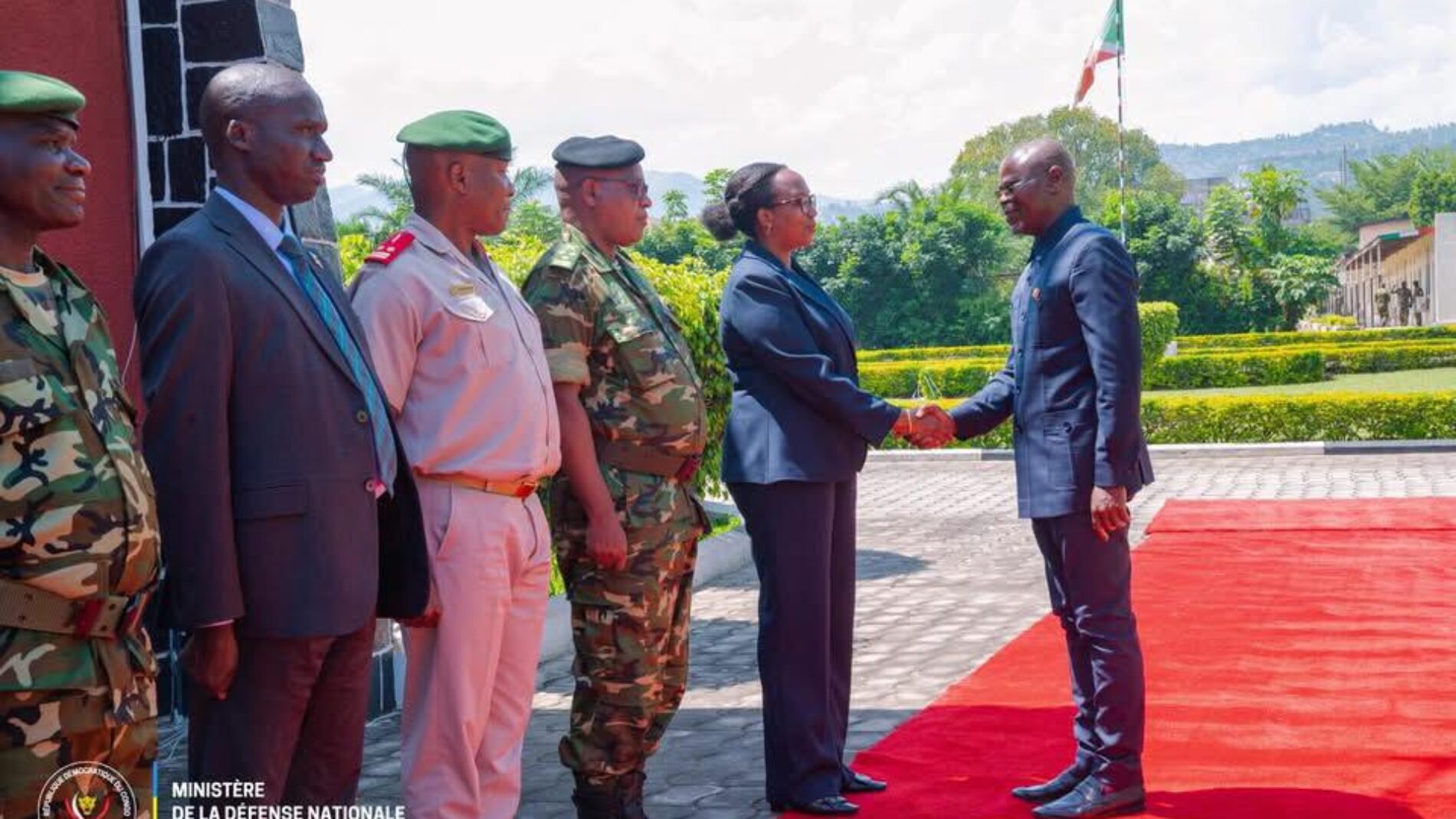
Guy Kabombo Muadiamvita, the Democratic Republic of Congo's Deputy Prime Minister in charge of Defense, was officially received by Burundi's Defense Minister, Marie Chantal Nijimbere, on Tuesday, May 26, 2026. This formal reception marked a key moment in the bilateral discussions. During his visit, Mr. Muadiamvita took the opportunity to express profound gratitude for Burundi's consistent military support in operations in Eastern DRC, acknowledging the key role Burundian forces have played in combating armed groups. He also paid solemn tribute to Burundian soldiers fallen in combat, honoring their sacrifice in the shared pursuit of regional peace and security. In response, Ms. Nijimbere described the bilateral cooperation between the two nations as essential for effectively addressing common security challenges that transcend national borders. She emphasized that such collaboration is not merely beneficial but a fundamental requirement for stability in the Great Lakes region.
Mr. Muadiamvita also extended his compassionate visit to Congolese soldiers wounded in the conflict and currently hospitalized in Bujumbura, demonstrating solidarity with those who have suffered in the line of duty. Additionally, he visited the headquarters of the International Conference on the Great Lakes Region (ICGLR), an intergovernmental organization dedicated to promoting peace and development in the region. During his visit to the ICGLR, Mr. Muadiamvita met with its executive secretary, Dr. Mubita Luwabelwa, to discuss ongoing regional security efforts and explore avenues for enhanced multilateral cooperation. These engagements show the DRC's commitment not only to bilateral defense ties but also to broader regional frameworks aimed at achieving lasting peace and security across the Great Lakes.