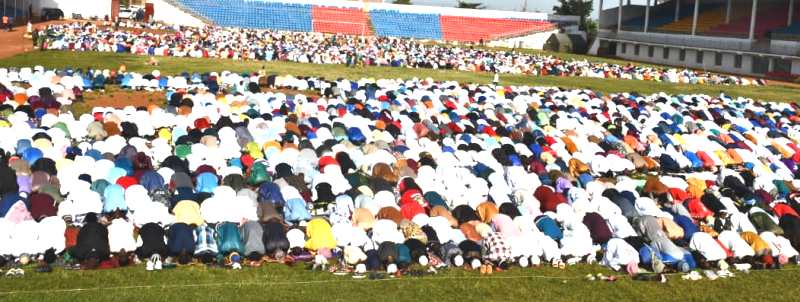
Muslims in the province of Butanyerera observed Eid al-Adha on Wednesday, May 27, 2026. The celebration marked the annual Islamic festival, traditionally commemorating Abraham's devotion and his willingness to sacrifice his son, Isaac, in obedience to God's command. This key event in Islamic tradition is remembered through acts of sacrifice and communal gathering. Across the province, adherents gathered for prayers and communal activities as part of the significant religious occasion. The event brought together local Muslim communities in a display of faith and solidarity, reinforcing bonds within and between different groups. Eid al-Adha, commonly known as the feast of the sheep, involves the ritual sacrifice of livestock, typically sheep, whose meat is then divided among family, friends, and the less fortunate, embodying the spirit of generosity and sharing.
Official Participation and Teachings
Governor Victor Segasago of Butanyerera province participated in the Eid al-Adha ceremonies. His presence marked official recognition of the religious observance in the region, noting the provincial administration's respect for the diverse religious practices of its citizens. Other administrative authorities also joined the celebrations, showing local government engagement with the community event. Their participation noted the significance of the festival within the province, demonstrating a commitment to fostering interfaith understanding and social cohesion. The attendance of these officials at the religious gathering served to strengthen ties between governmental bodies and the Muslim community, recognizing their integral role in the fabric of Butanyerera.
Reflections on Faith and Action
The provincial secretary of the ruling party participated in the ceremonies, joining other administrative authorities in observing the solemn occasion. During the celebration, Cheikh Halidi Minani provided insightful religious teachings, emphasizing the broader significance of Eid al-Adha beyond its ritualistic aspects. Minani stated the festival "ne se limite pas au sacrifice mais qu’elle représente également une occasion de faire preuve d’humilité, de solidarité, de générosité et d’assistance envers les plus démunis." He showed that the day should be marked by "l’unité, l’amour et le rappel de l’alliance entre Dieu et les hommes, à travers le respect des interdits divins," urging attendees to reflect on their personal conduct and spiritual commitments. Minani also noted that "Ce que Dieu attend véritablement des croyants ne réside pas uniquement dans les sacrifices, mais plutôt dans l’humilité, la vérité et les actes accomplis avec un cœur obéissant à Dieu." He insisted on the importance of avoiding injustice, assisting vulnerable individuals, refraining from spreading hatred, and distinguishing oneself through actions that honor God, thereby promoting peace and harmony within society. His message resonated with the themes of compassion and social responsibility inherent in the festival.
Community Contributions and Significance
The Muslim community's contributions to the development of Butanyerera province were noted during the Eid al-Adha celebrations, with specific mention of their involvement in avocado cultivation. This emphasis showed the community's role in the local economy and its commitment to agricultural development, demonstrating their active participation in the province's progress beyond religious observance. Their efforts in this sector contribute significantly to the livelihoods of many families and to the overall economic prosperity of Butanyerera. Eid al-Adha, a significant Islamic festival, is commonly known as the feast of the sheep, referring to the traditional sacrifice performed during the holiday. The celebration in Butanyerera brought together religious leaders and local authorities to observe the occasion and discuss its broader implications for community solidarity and progress, reinforcing the idea that faith and civic duty are intertwined for the betterment of society. The event served as a powerful reminder of the values of unity, generosity, and community spirit that are central to both religious teachings and provincial development goals.