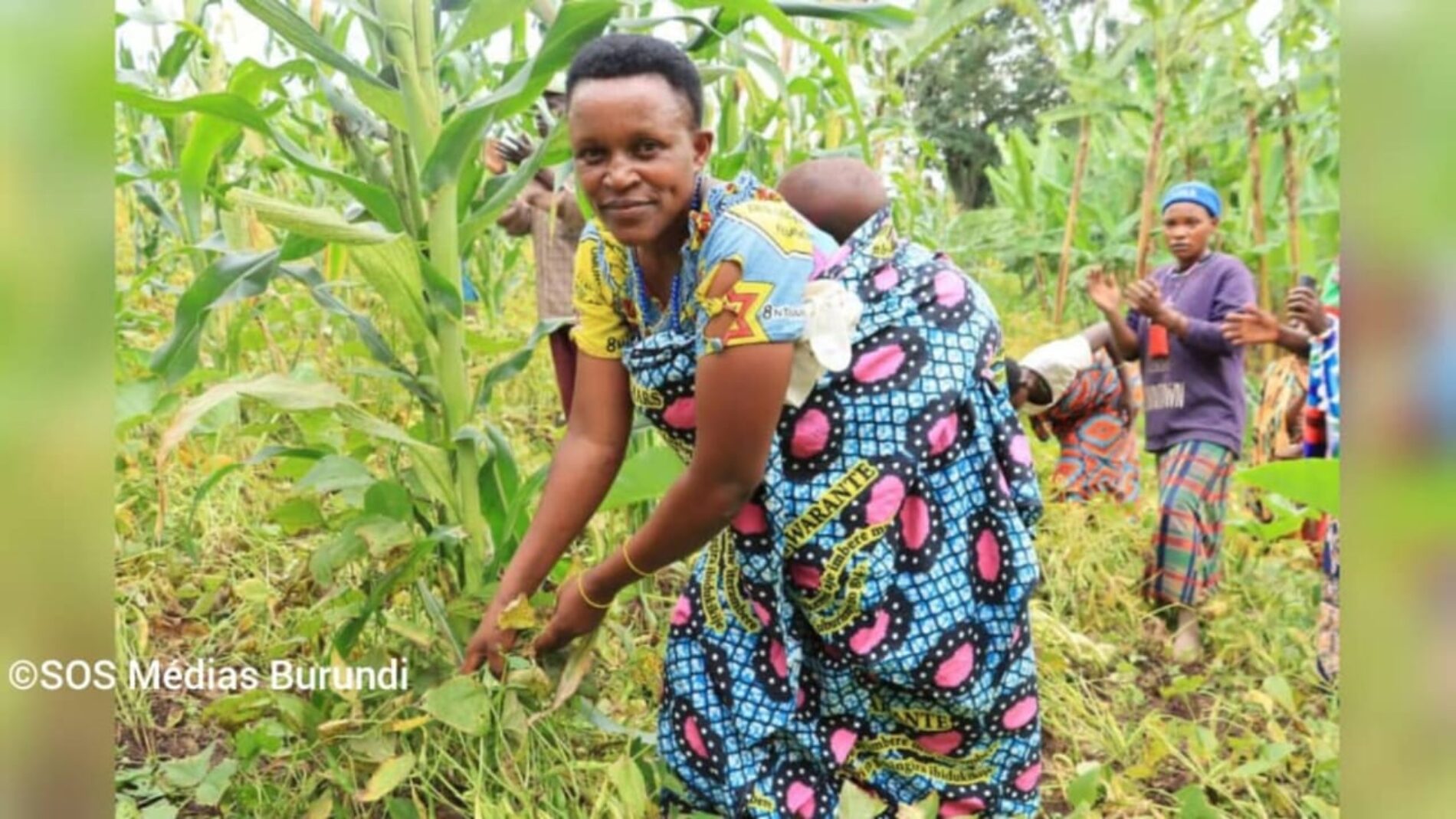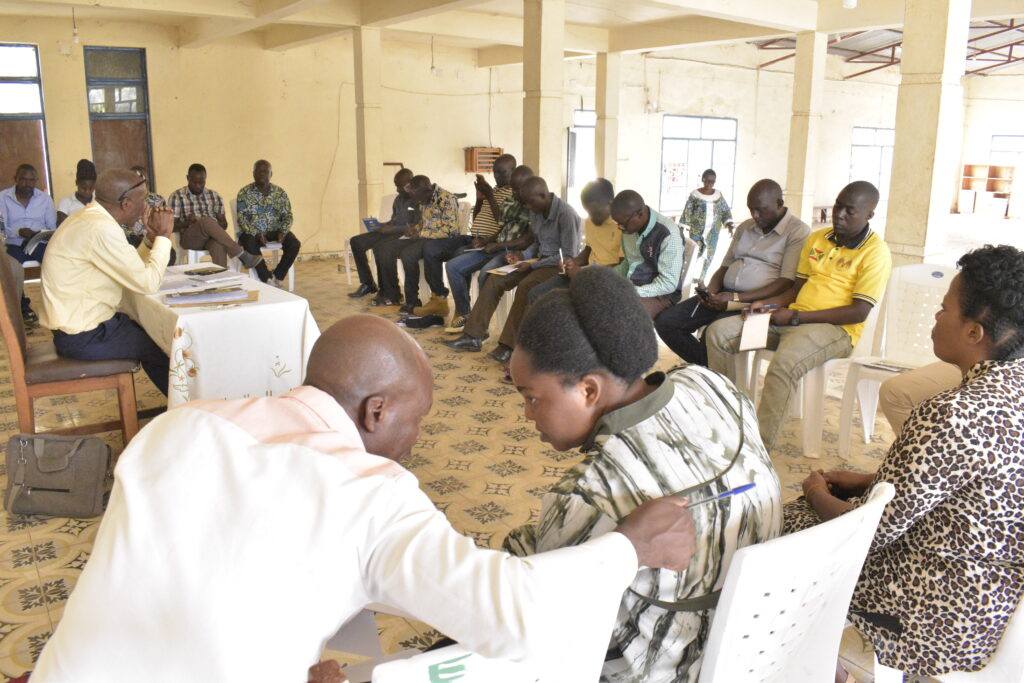
A new committee comprising farmers and administrators was established on Monday, June 1, 2026, in the Gihanga zone of Mpanda commune to boost agricultural output and safeguard the environment. The fertile plain of Gihanga, a vital agricultural area, is located within Mpanda commune, making its environmental and productive health critical for the region. The ten-person committee was formed during a meeting involving local farmers and the administration of the Gihanga zone. Its primary objective is to ensure increased production while simultaneously promoting nature preservation within the fertile plain of Gihanga. This newly established body holds a key role in shaping the agricultural future of the area, serving as a bridge between the local farming community and higher administrative authorities. The committee's mandate includes identifying and prioritizing community-level projects that address the pressing needs of smallholder farmers, subsequently submitting these proposals to relevant higher authorities for advocacy and support.
Climate Crisis Grips Gihanga Plain
The Gihanga zone is currently the area most affected by climate change, according to local reports. The plain has experienced low rainfall since the start of the rainy season, impacting agricultural activities significantly. This has created a challenging environment for local farmers who rely heavily on predictable weather patterns for their livelihoods. Since March 2026, a significant rainfall deficit has damaged crops before they reached their fruiting stage, thus reducing their overall production potential. This premature damage means that many crops are unable to yield their full harvest, leading to substantial losses for farmers.
This severe environmental stress has had profound socioeconomic consequences. The situation has led to some families living in deplorable conditions, struggling to meet basic needs due to diminished harvests and income. The financial strain is further compounded by existing debts; many farmers in the affected area have reportedly taken out loans from microfinance institutions, exacerbating their financial vulnerability amid the ongoing climate challenges. The combination of crop failure and financial obligations has created a cycle of hardship, making resilience initiatives even more critical for the community. The committee's formation comes at a time when urgent action is needed to mitigate these widespread impacts.
Farmers' Demands for Resilience
Smallholder farmers advocated for several measures aimed at bolstering their resilience against climate impacts. They called for the development of irrigation infrastructure, specifically proposing the expansion of the Gatura dam. This expansion, farmers stated, would enable the dam to serve the entire Gihanga plain, providing a more reliable water source for crops, especially during periods of low rainfall. Such an initiative is seen as key for mitigating the effects of drought and ensuring consistent agricultural output in the region, thereby safeguarding food security and farmer incomes. The current water scarcity has noted the urgent need for strong water management systems that can withstand erratic weather patterns.
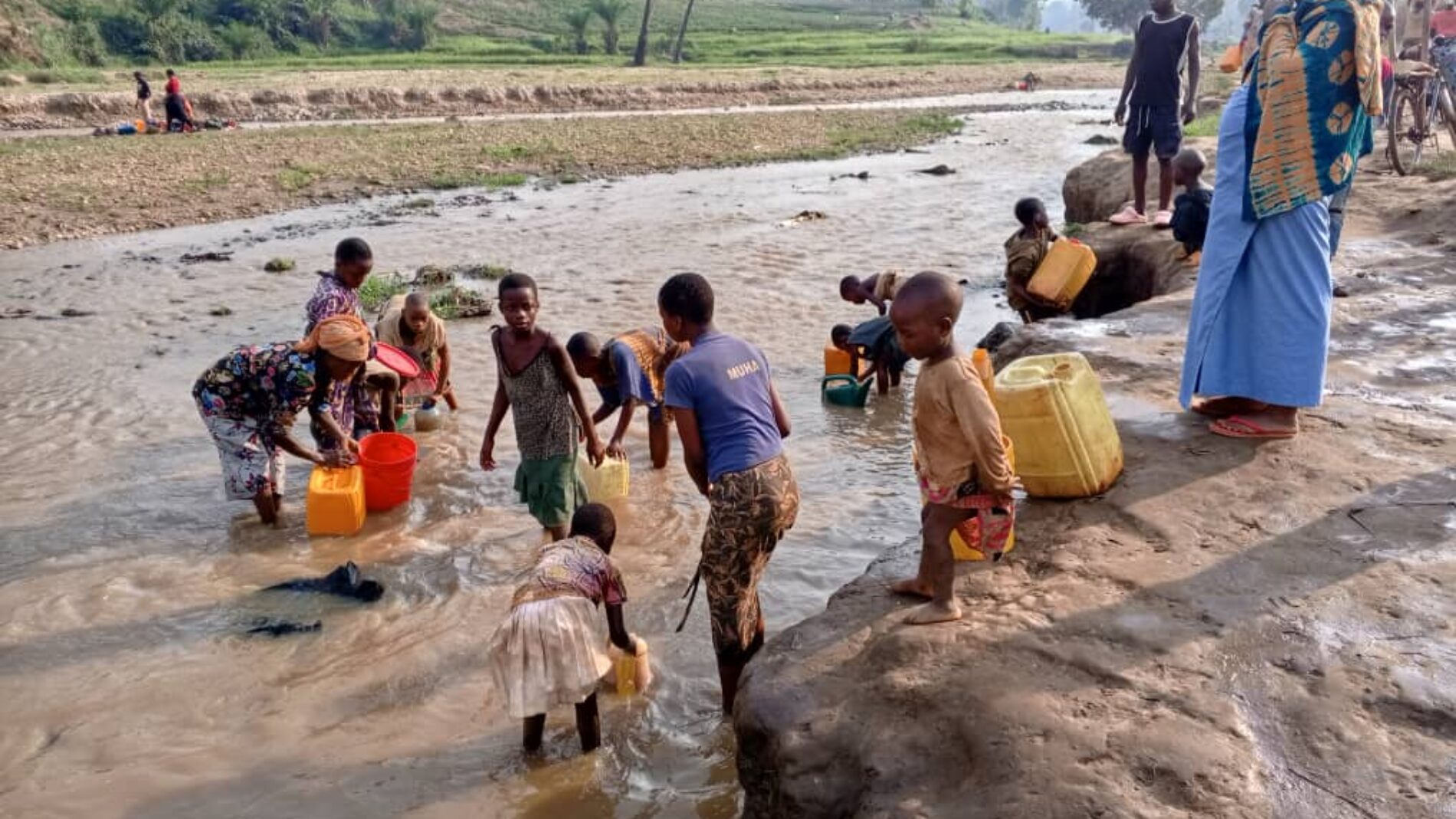
Farmers also pressed for the rehabilitation of access roads leading to their fields. Improved road conditions would facilitate the transport of agricultural inputs to farms and the efficient movement of harvested produce to markets, reducing post-harvest losses and improving economic viability for growers. Currently, poor road infrastructure often leads to delays and damage during transit, further diminishing the value of their hard-earned produce. Additionally, they noted the need for constructing storage hangars for agricultural production. These facilities would protect harvests from adverse weather conditions and pests, allowing farmers to store their goods longer and potentially sell them at more favorable times, rather than being forced to sell immediately after harvest when prices may be low. Finally, farmers emphasized the importance of access to drinking water, a basic necessity that impacts their health and overall well-being, indirectly supporting their ability to farm effectively and reducing the burden of water collection.
Administration's Guidance and Future Outlook
The newly formed committee is tasked with selecting community projects for submission to higher authorities, aiming to advocate for the needs of smallholder farmers in the region. This key role ensures that the voices and priorities of the local farming community are heard at higher levels of governance, facilitating targeted interventions and resource allocation. The Gihanga zone chief, Moïse Nkurunziza, provided guidance to residents regarding agricultural practices, offering immediate strategies to cope with the changing climate. He advised them to engage in irrigation during the C cultivation season to mitigate the impacts of low rainfall, emphasizing proactive water management. Nkurunziza encouraged farmers to develop vegetable farming, suggesting it as a viable strategy to enhance food security and agricultural output in the face of changing climate conditions. This guidance aims to support farmers in adapting their practices for improved resilience and productivity, fostering a more sustainable and secure agricultural future for the Gihanga plain.