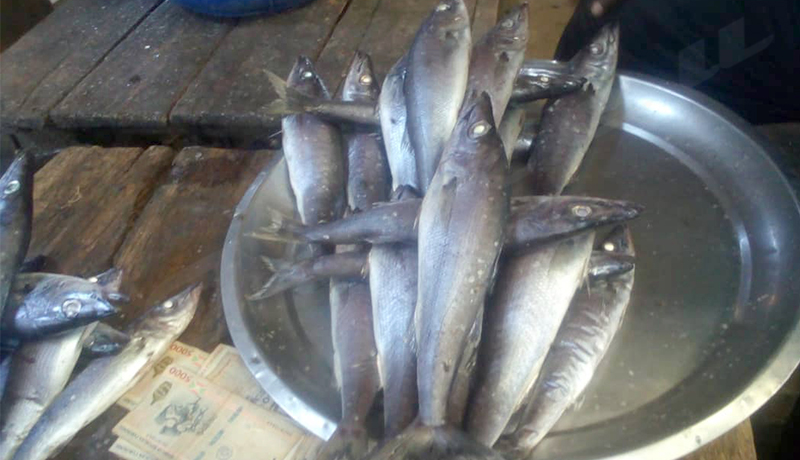
Fish prices have sharply increased in Rumonge market, significantly impacting local consumers and prompting widespread concern. The cost of a bunch of Mukeke fish has more than doubled, rising sharply from 20,000 FBu to 50,000 FBu. This dramatic increase reflects a broader trend in the market, where essential food items are becoming increasingly unaffordable for many households. Similarly, a bunch of Ndagala fish now sells for 10,000 FBu, a steep rise from its previous price of 5,000 FBu. The price of dried Ndagala fish has also seen a substantial hike, with 1kg increasing from 80,000 FBu to 150,000 FBu. These significant price adjustments across various popular fish types show the severity of the current market situation.
Declining Catches and Rising Costs
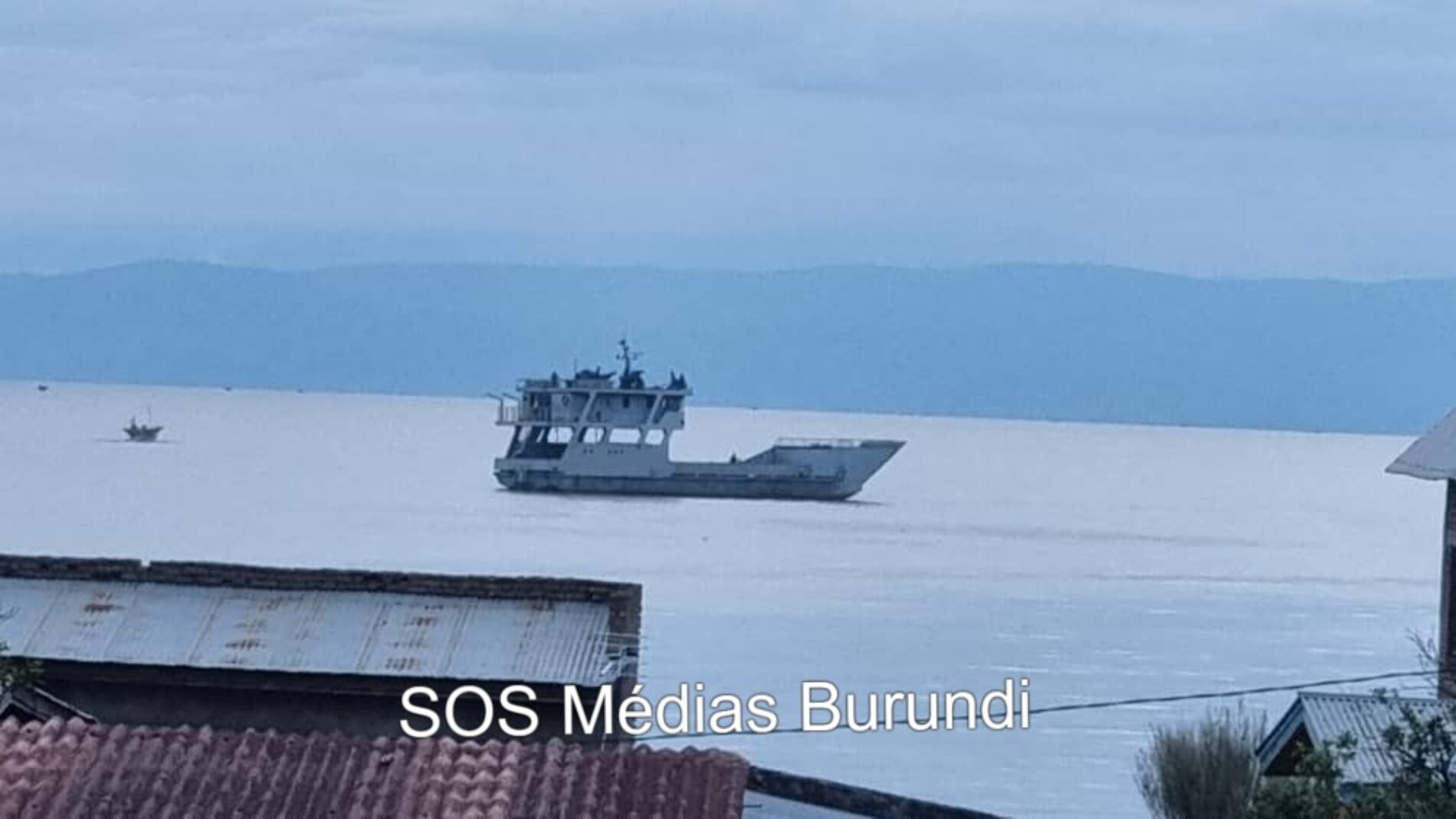
The primary driver behind these escalating prices is the insufficient fish catches from Lake Tanganyika, attributed to a combination of environmental and operational factors. One key factor is the intense cold in Lake Tanganyika's waters at the start of the dry season, which causes fish to move to deeper areas, making them harder to catch with traditional methods. Beyond natural phenomena, the pollution of Lake Tanganyika is also increasing at an alarming rate and significantly impacting fish reproduction. This environmental degradation is particularly acute in breeding grounds near the shores, which are heavily polluted by waste from rivers flowing into the lake, directly contributing to declining fish populations.
Household waste, including plastic bottles, water hyacinth, and various debris, accumulates near these critical fish breeding zones. This accumulation forces fish to flee these essential habitats, further exacerbating the challenges faced by local fishermen. The reduction in available fish stocks directly translates to higher market prices. Additionally, larger fish species like Sangala, Kuhe, and Inonzi are not reaching local markets in Rumonge. Instead, these valuable catches are directly sent to Bujumbura and sold in large hotels, bypassing the local supply chain and further limiting options for Rumonge residents. This diversion of high-value fish contributes to the scarcity and affordability issues experienced by local consumers.
Consumer Impact and Alternatives
The soaring prices have created significant hardship, particularly for consumers with lower incomes, who now find it difficult to afford fish, a traditional staple in the Rumonge market. The rising costs have prompted a noticeable shift in consumer behavior, with many now purchasing fish imported from Tanzania. This imported fish, sourced from Lake Victoria, is reportedly of inferior quality compared to the fresh, highly prized fish caught in Lake Tanganyika. Despite the perceived lower quality, it offers a more affordable alternative for struggling families.
Faced with insufficient local catches and escalating prices, consumers are advocating strongly for government intervention. They are specifically requesting that authorities encourage fish imports to address the scarcity of fish from Lake Tanganyika. This plea notes the urgent need for measures to stabilize the market and ensure access to this vital protein source for the local population. The current situation places a heavy burden on household budgets and shows the fragility of the local food supply chain.
Calls for Modernization and Support
Assessments indicate that the fishing techniques currently employed in the region are rudimentary and do not allow for sufficient catches to meet market demand. Lake Tanganyika, despite hosting a great diversity of fish species, remains largely unexploited due to these basic fishing methods. Observers indicate that fishing techniques in Burundi require modernization to significantly improve overall catches and enhance the efficiency of fishing operations.
Such updates are seen as key for leveraging the lake's rich resources more effectively and potentially stabilizing the fish supply in local markets. Modernization efforts could encompass a range of improvements, including the introduction of new equipment, the adoption of improved vessel technology, or the implementation of advanced and more sustainable fishing practices. These initiatives are all aimed at increasing efficiency and yield while ensuring the long-term health of the lake's ecosystem. By investing in modern techniques and supporting local fishermen, there is potential to alleviate the current fish scarcity and bring prices back to a more accessible level for all consumers in Rumonge.