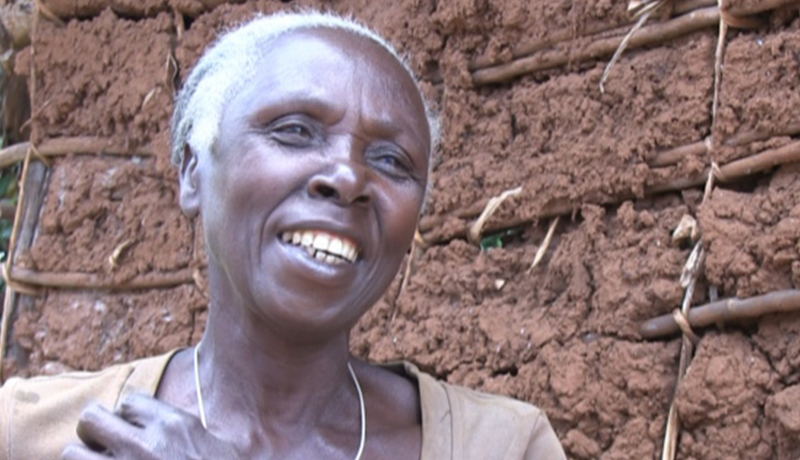
Générose Nacumi, the renowned poetess and singer from Kirundo, Burundi, passed away on Tuesday, July 14th, after several years of deteriorating health. Known as "La Rossignole de Kirundo" (The Nightingale of Kirundo), Nacumi's early life was marked by limited educational opportunities for girls. "I was born in 1948, I couldn't attend school; my parents saw no interest in it, the proverbial excuse at the time was that studies for girls were worthless," Nacumi once stated. She expressed regret over this, adding, "I must admit I was jealous of my brothers and especially of the other young girls who went to school in Kanyinya." Her musical talent was recognized early, particularly during community gatherings. "It was especially during wakes that our songs were noticed, and at every wedding, we were solicited," she recalled. Nacumi's group gained prominence in the 1970s, winning first place in a competition and leading to recordings at the studios of La Voix de la Révolution in Bujumbura, now RTNB.
Early Life and Musical Beginnings
Générose Nacumi, born in 1948, began her life without formal schooling. She did not attend school due to her parents' belief that girls' education held little value at the time, a common sentiment during that era. This lack of educational opportunity was a source of lasting regret for Nacumi. She later expressed jealousy towards her brothers and other girls in Kanyinya who had the opportunity to attend school, lamenting the path that had been dictated for her.
Despite these early limitations, Nacumi's innate musical talent found an outlet. Her musical journey commenced with a group of young girls from the Jeunesse ouvrière chrétienne (JOC). This group provided a platform for their burgeoning artistic expressions, allowing their voices and compositions to be heard within their community. Their performances at local gatherings, particularly wakes and weddings, quickly drew attention.
The group gained significant recognition in the 1970s, achieving first place in a folklore competition held in Muyinga. This triumph marked a key moment in their career, propelling them from local renown to a broader audience. This success led to their songs being recorded at the prestigious studios of La Voix de la Révolution, located in Bujumbura. These studios are now known as RTNB, the national radio and television broadcaster of Burundi. The recording sessions captured the essence of their unique sound and introduced their music to a wider public. Among the recordings, Nacumi notably sang the song "Wararaye" after significant insistence from others, marking a significant moment in her early musical career and demonstrating her emerging individual artistry.
Artistic Legacy and Regrets
Générose Nacumi was widely recognized for her melodious songs, which were characteristic of the Kirundo region. Her compositions were deeply rooted in the cultural traditions and sonic landscapes of her homeland, resonating strongly with listeners. Among her many compositions, she was particularly known for the song "Nkoni yera," which became one of her signature pieces. Nacumi also had a distinct reputation for reciting extended, poetic strophes from her songs, showcasing her profound lyrical abilities and powerful vocal delivery. These recitations often captivated audiences, noting her skill not just as a singer but also as a poetess.
Despite her significant artistic contributions and enduring legacy, Nacumi expressed reluctance to re-perform her songs in later years. This was primarily attributed to her voice becoming hoarse, a change that profoundly affected her ability to deliver her music with the same clarity and power as she once had. The physical transformation of her voice was a source of personal distress, as it hindered her capacity to share her beloved melodies in the way she desired. This reluctance showed a deep respect for the integrity of her art and her earlier performances.
Later Life and Cultural Commentary
In her later years, Générose Nacumi reportedly lived in poverty and faded from public memory, a stark contrast to her earlier recognition as "La Rossignole de Kirundo." This period of obscurity was a difficult chapter for the once celebrated artist. Nacumi frequently voiced her critiques of contemporary music, describing it as lacking melody, being excessively rhythmic, too noisy, and devoid of poetic depth. She believed that modern music had strayed from the rich, melodic traditions she championed, losing its soul in the process. She also lamented that younger generations did not approach her to learn about their vanishing cultural traditions, expressing concern that the unique heritage she embodied was at risk of being lost forever. She felt a responsibility to pass on this knowledge, but found few takers.
Nacumi openly expressed regret about having only daughters, a circumstance she stated led to mistreatment and persecution within her community. This societal pressure, rooted in traditional expectations, caused her considerable personal suffering. She further claimed that her brothers disowned her because she did not bear any sons, illustrating the profound impact of gendered expectations and family dynamics on her life. Her later years were thus marked by both artistic decline and personal hardship, a poignant end for a celebrated voice.