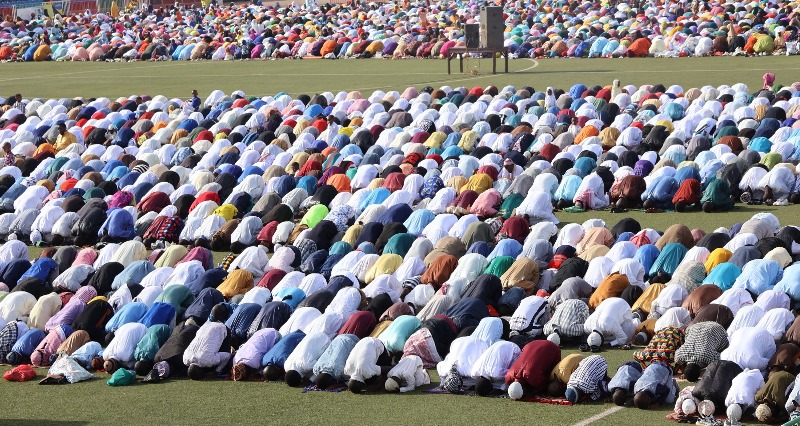
The Muslim community of Gitega province celebrated the Feast of the Sheep on Wednesday, May 27, 2026. This significant religious observance, known for its emphasis on sacrifice and communal solidarity, took place as part of national efforts to rally citizens around Burundi's ambitious vision to become an emerging country by 2040 and developed by 2060. The event served as a key platform to encourage community participation and reinforce collective responsibility in achieving these long-term national development goals, showing the government's commitment to inclusive growth.
Spiritual Significance and Calls to Action
Cheikh Issa Nshimirimana, acting representative of the Islamic Community of Burundi (Comibu) in Gitega province, addressed the spiritual significance of the Feast of the Sheep during the celebrations. He referenced the sacrifice of Abraham, a foundational narrative in Islamic tradition, noting the deep religious meaning and moral lessons embedded within the celebration. Nshimirimana urged Muslims to strengthen social ties through sharing with those in need, emphasizing the profound communal aspect of the feast. This act of sharing, he explained, not only fulfills a religious obligation but also fosters solidarity and mutual support within society. He also called upon the Muslim community to actively contribute to the country's development efforts, recognizing that their collective actions are vital for national progress. This appeal aligned smoothly with broader national objectives, encouraging community members to participate actively and meaningfully in achieving Burundi's long-term vision for 2040 and 2060, thereby linking spiritual duties with national responsibilities.
Governor's Vision for Development
Liboire Bigirimana, Governor of Gitega province, commended the Muslim community for its active role in local development. Governor Bigirimana specifically praised their significant contributions to community development and various socio-economic initiatives within the province, acknowledging their positive impact on the welfare of the local population. He emphasized the critical importance of collective efforts from all segments of society to achieve the overarching national development goals. The Governor noted that such community involvement is key for the ongoing progress in Gitega and aligns directly with Burundi's broader vision to become an emerging country by 2040 and a developed nation by 2060. His remarks showed the provincial administration's recognition of the Muslim community's positive and tangible impact on socio-economic advancement, portraying them as key partners in the province's future. Governor Bigirimana's address further reinforced the idea that every community has a vital role to play in the country's journey towards prosperity.
Community's Role in National Goals
Governor Liboire Bigirimana specifically called on Muslims in Gitega to redouble their efforts to contribute to Burundi's vision of becoming an emerging country by 2040 and developed by 2060. He stressed that sustained engagement and intensified contributions from all citizens, including the Muslim community, are indispensable for realizing these ambitious national targets. The Governor's call aligned with broader national development objectives, emphasizing the need for sustained community engagement and innovative approaches to economic growth. He reiterated that the vision for Burundi is to become an emerging country by 2040 and a developed nation by 2060, a goal achievable only through concerted national effort.
Cheikh Issa Nshimirimana, acting representative of Comibu in Gitega province, outlined specific initiatives that the Muslim community is actively pursuing to support these national goals. Nshimirimana mentioned projects such as avocado plantation projects, which aim to boost agricultural output and provide sustainable income for community members. He also noted beekeeping initiatives, recognizing their potential for economic diversification and environmental benefits. Additionally, he spoke of the cultivation of other export-oriented crops, which are designed to enhance economic growth and contribute to the province’s overall development by increasing trade and generating revenue. These efforts aim to enhance economic growth and contribute to the province’s overall development, aligning community activities with the country's long-term aspirations and demonstrating a practical commitment to Burundi's future prosperity.