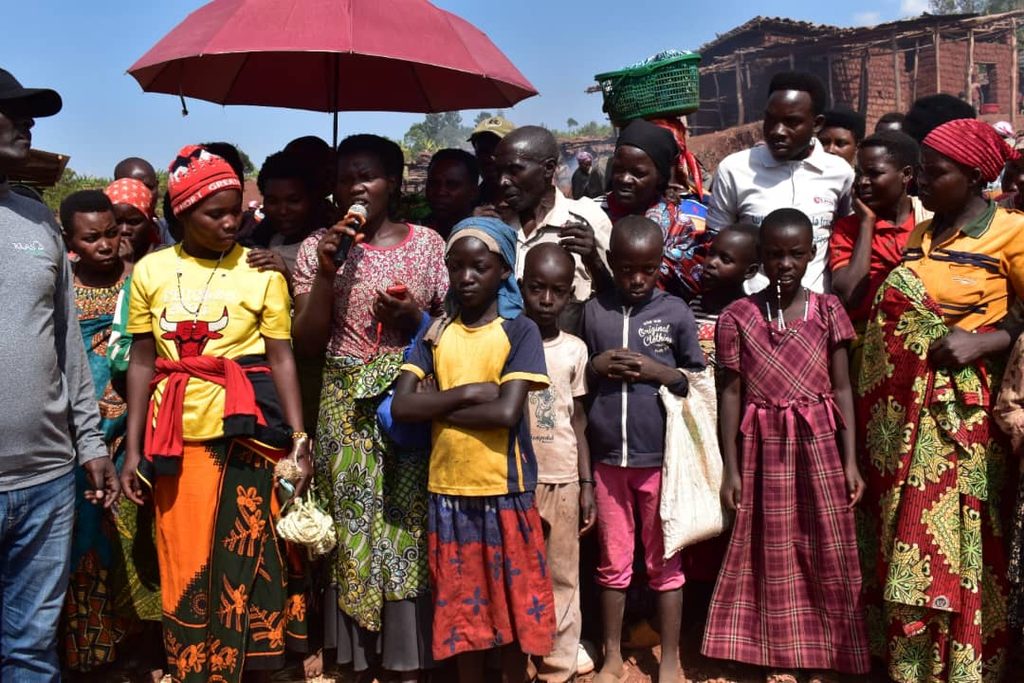
A large-scale sensitization campaign targeting mental health-related diseases was launched in Kiganda commune, aiming to address the widespread stigma surrounding these conditions. This vast sensitization action, held in Kiganda commune, specifically focused on the fight against mental health-related diseases, marking a significant step towards fostering understanding and support. The initiative, led by Nacham Africa through its REMESHA project, aims to combat the deep-seated stigma associated with mental health conditions that often prevent individuals from seeking necessary care. The organization partnered with the National Program for the Fight Against Non-Communicable Diseases, specifically its Mental Health Unit within the Ministry of Public Health, to execute the campaign, noting a collaborative effort between non-profit organizations and governmental bodies to tackle this critical public health issue.
Addressing Deep-Rooted Stigma
Mental illness in Kiganda commune is often assimilated to a moral or spiritual failing, contributing to significant societal challenges and hindering effective treatment. Lin Ndayikengurukiye, a psychologist and coordinator of the Remesha project at Nacham Africa, expressed regret that individuals suffering from mental disorders are quickly labeled as 'crazy' within the community. This swift and often harsh judgment perpetuates a cycle of shame and isolation for those affected. Ndayikengurukiye clarified that these conditions stem from a complex interaction of biological, psychological, social, and economic factors, such as precarious living conditions, drug use, or domestic violence. These multifaceted origins show the need for a full approach to both prevention and treatment, moving beyond simplistic and stigmatizing explanations.
Citizens of Kiganda also noted the adverse treatment faced by those with mental health issues, showing the urgent need for intervention. Dorine Ntakarutima, a resident, denounced the mistreatment endured by patients, which she stated occurs under the pretext that they 'lack reason'. This dehumanizing perspective often leads to neglect and abuse, further exacerbating the suffering of individuals already struggling with their mental health. Bernardine Niyonzima pointed to the responsibility of excessive alcoholism, drug use, and domestic conflicts in the resurgence of mental health cases in the area. These societal issues create a fertile ground for mental health problems, making community-level interventions all the more key. Joseph Ntukamazina, an inhabitant of the Gatabu zone, drew attention to the particular vulnerability of widowed women within the commune, suggesting they face heightened risks regarding mental health challenges due to social and economic pressures. His observation notes the importance of considering specific demographic groups when designing support programs.
Calls for Early Detection and Care
Lin Ndayikengurukiye invited the population to detect warning signs such as persistent sadness, isolation, excessive anxiety, or suicidal thoughts. Early recognition of these symptoms is key for timely intervention and better outcomes. Stéphanie Nyandwi, head of the Rutegama zone, stated that mental disorders are pathologies like any other, which can be treated and cured. This assertion aims to demystify mental illness and normalize the process of seeking professional help. Nyandwi urged families to abandon recourse to charlatans and traditional healers, and instead turn without delay to adapted medical structures. The emphasis on evidence-based medical care over unproven traditional practices is a cornerstone of the campaign's message. Dieudonné Girukwishaka, deputy head of Murinzi hill in the Mushikamo zone, praised essential teachings received during the campaign. He noted that these teachings now allow for symptom identification and the urgent referral of patients to dedicated centers located in Gitega, Bujumbura, or Ngozi, ensuring that individuals receive specialized care from qualified professionals.
Project Scope and Support Systems
Nacham Africa’s Remesha project has expanded its reach across nine former health provinces since September 2024, demonstrating a significant commitment to broader impact. These provinces include Bujumbura, Bujumbura Mairie, Kirundo, Gitega, Ngozi, Kayanza, Cibitoke, Rumonge, and Makamba, covering a substantial geographic area within Burundi. The project focuses its activities within targeted public hospitals and their surrounding communities, ensuring that support is accessible at both institutional and grassroots levels. Special attention is given to strategic localities and areas with high population concentration, such as town centers and markets, where information dissemination and outreach can be most effective. This strategic targeting maximizes the project's ability to reach a large number of people and address mental health needs where they are most prevalent. Care and medication provided through the project are covered by the Carte d’Assistance Maladie (Cam), ensuring accessibility for patients regardless of their economic status. This financial support is critical in removing one of the major barriers to mental health treatment, making it possible for more individuals to receive the care they need without incurring prohibitive costs.
Future Needs and Recommendations
Stéphanie Nyandwi, head of the Rutegama zone, called on the Burundian government to increase the number of specialized care centers dedicated to mental health. An expansion of these facilities is vital to meet the growing demand for mental health services across the country. Nyandwi also urged authorities to strengthen the training of personnel responsible for supervising these facilities, emphasizing the need for a skilled and compassionate workforce to provide quality care. Separately, Dieudonné Girukwishaka, deputy head of Murinzi hill, requested an expansion of mental health sensitization campaigns, noting the continuous need for public education to combat stigma and promote understanding. Girukwishaka further advocated for the extension of the national health network to better reach and support individuals affected by mental health conditions across Burundi, ensuring that full mental health services are available even in remote areas. These recommendations collectively show the need for sustained government commitment and investment to build a strong and accessible mental healthcare system in Burundi.