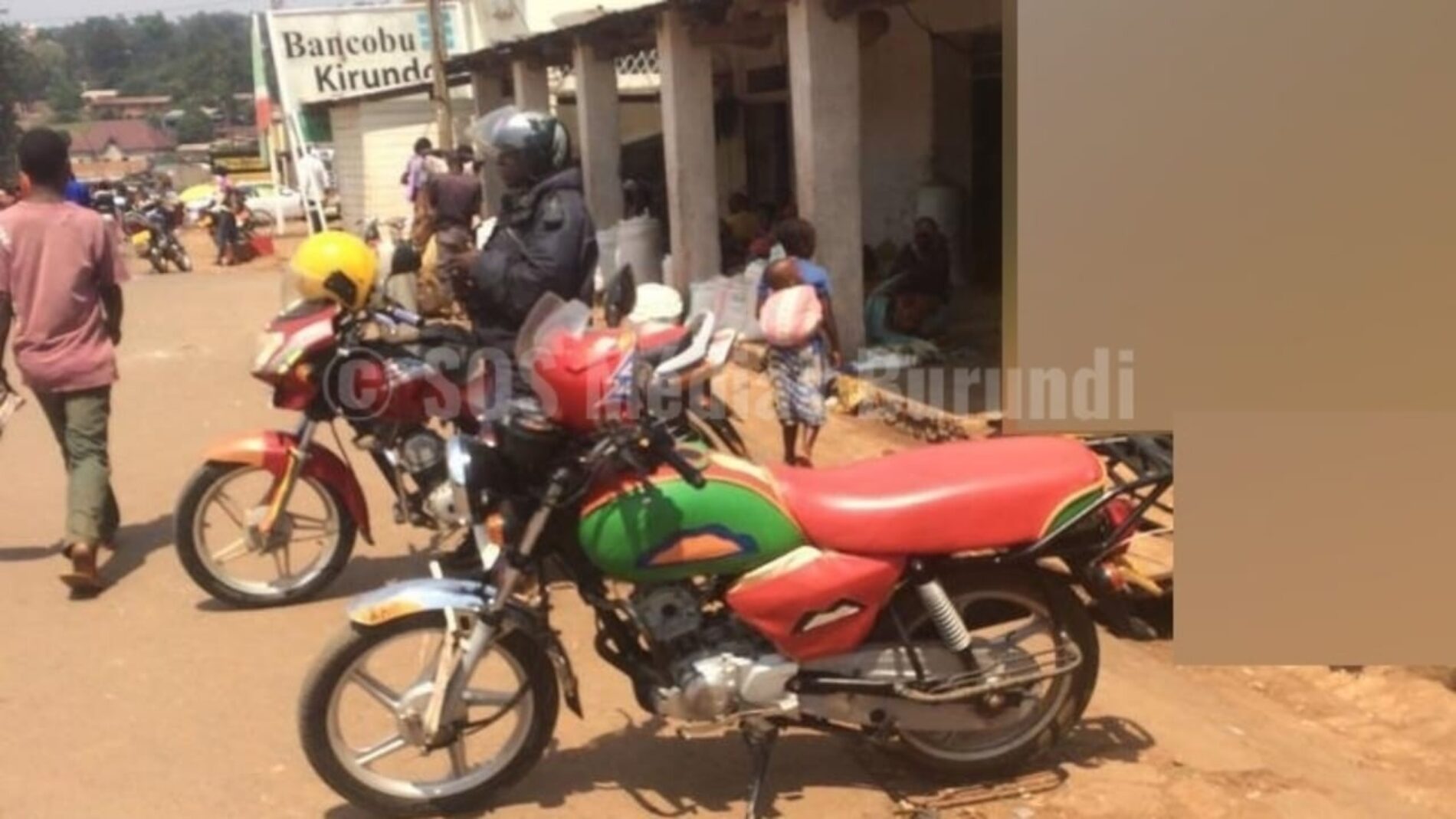
Motorcyclists in Kirundo commune, Kirundo province, are subject to a new measure prohibiting their circulation after 8 PM. This directive, which has been formally implemented, has sparked widespread protests among local riders who claim it unfairly targets their livelihoods and is selectively enforced.
The administrator of the commune of Kirundo, Mr. Jean Berchmans Ndikuriyo, justified the restriction by citing pressing security concerns within the area. Mr. Ndikuriyo explained that some individuals were reportedly using motorcycles for discreet night movement to commit acts that disturb public order, necessitating the imposition of the curfew to enhance community safety. The measure aims to curb these illicit activities and maintain peace within the commune.
Enforcement and Penalties
Protesting motorcyclists claim the measure is not applied equally across all drivers. They allege that some individuals with connections to the Imbonerakure, the youth wing of the ruling CNDD-FDD party, continue to operate their motorcycles freely at night without facing intervention from authorities. This perceived disparity suggests a selective enforcement of the 8 PM curfew, leading to significant frustration among those who feel unfairly targeted.
Testimonies from individuals in the area indicate that motorcyclists apprehended after the 8 PM deadline face significant penalties. Those caught violating the curfew are issued a substantial fine of 50,000 Burundian francs. In addition to the monetary penalty, their motorcycles are subject to seizure, which can last for a period of up to one month. These stringent enforcement actions have contributed to the grievances expressed by the local motorcyclist community, who view them as unduly harsh. The financial burden and loss of income resulting from vehicle seizure are particularly impactful for these individuals.
Economic and Social Fallout
Motorcyclists report the restriction has significantly reduced their income, stating that night transport constitutes a substantial portion of their daily activities. This reduction in earnings directly impacts their livelihoods, making it difficult for them to support themselves and their families, according to their claims. Many depend heavily on evening fares to meet their daily financial needs. The diminished operational hours directly translate to a considerable decrease in their overall earnings.
Residents of Kirundo further report that the reduced availability of motorcycles during night hours has resulted in a notable increase in prices for nocturnal transportation services. With fewer motorbikes on the road after 8 PM, the demand for available transport has surged, driving up costs for consumers. In some instances, night transport fares have reportedly doubled, placing additional financial strain on community members needing to travel after 8 PM for work, emergencies, or other essential activities. This situation creates a difficult dilemma for residents who rely on these services. The economic ripple effect extends beyond the motorcyclists themselves, impacting the wider community.
Residents hope for a balanced solution that can reconcile security imperatives with the economic realities faced by both motorcyclists and the wider community. They seek a measure that effectively addresses public order concerns without disproportionately affecting essential economic activities and the daily lives of the commune's inhabitants. The community desires an approach that ensures safety while also safeguarding the livelihoods of its citizens.
Allegations of Bias and Calls for Review
Motorcyclists regard the penalties, which include a 50,000 Burundian francs fine and a month-long seizure of their vehicles, as excessive. These sanctions are perceived as unduly harsh given the nature of the alleged infractions, especially considering the economic impact on their ability to earn a living. The severity of the penalties is a core point of contention for the protesting riders.
The Imbonerakure, identified as the youth league of the ruling CNDD-FDD party, which is also the presidential party, are central to allegations of unequal enforcement. Protesting motorcyclists contend that individuals affiliated with this powerful group are able to circumvent the curfew without consequences, noting a perceived double standard in the application of the regulations. This alleged preferential treatment undermines public trust in the fairness of the law and fuels resentment among those who are strictly held accountable.
Consequently, motorcyclists have appealed to local authorities to reconsider the existing decision. They advocate for a thorough review of the curfew that would lead to a more equitable application of rules across all drivers, aiming to eliminate the current disparities in enforcement. Their plea emphasizes the need for a system where all citizens are treated equally under the law, regardless of their affiliations. They are calling for authorities to ensure that any security measures implemented do not unfairly burden specific groups or create a two-tiered system of justice.