Four people died within 24 hours on the Murago and Muyange hills in Burundi's Gitega commune and province. The deaths occurred after an armed robbery, prompting local residents to take action. On the morning of Monday, June 1, inhabitants of the area identified three men they believed were responsible for the attack. They apprehended the suspects on the neighboring Muyange hill shortly after the incident. This tragic sequence of events has drawn significant attention to the state of security and justice in the region.
Deadly Robbery and Retaliation
The series of violent incidents began with an armed robbery that occurred on the Murago hill during the night of Sunday, May 31, around 10 p.m. Gaspard Ngendakumana and his wife Anitha were returning home on a motorcycle when armed men ambushed them. During the attack, Mr. Ngendakumana sustained serious bullet wounds. He was rushed for medical attention but later died from his injuries at Saint-Thérèse de Songa hospital. His wife, Anitha, suffered only slight injuries during the traumatic encounter. The assailants also stole an unspecified sum of money during the incident, adding a financial dimension to the violence.
Following the robbery, community members quickly mobilized. On the morning of Monday, June 1, inhabitants identified three men as the authors of the attack. These individuals, identified as Eric Ntakarutimana, Aaron Yamuremye, and Pasteur Nininahazwe, were apprehended by residents on the neighboring Muyange hill. A crowd then violently beat the three suspects, and they succumbed to their injuries on the spot, marking a brutal act of vigilante justice. Audace Ndiracuza, the local elected official of Murago hill, confirmed these events, providing an official local account of the tragic happenings. After the lynching, the bodies of Eric Ntakarutimana, Aaron Yamuremye, and Pasteur Nininahazwe were transferred to the morgue of the Gitega regional hospital for further procedures.
Official Response and Investigations
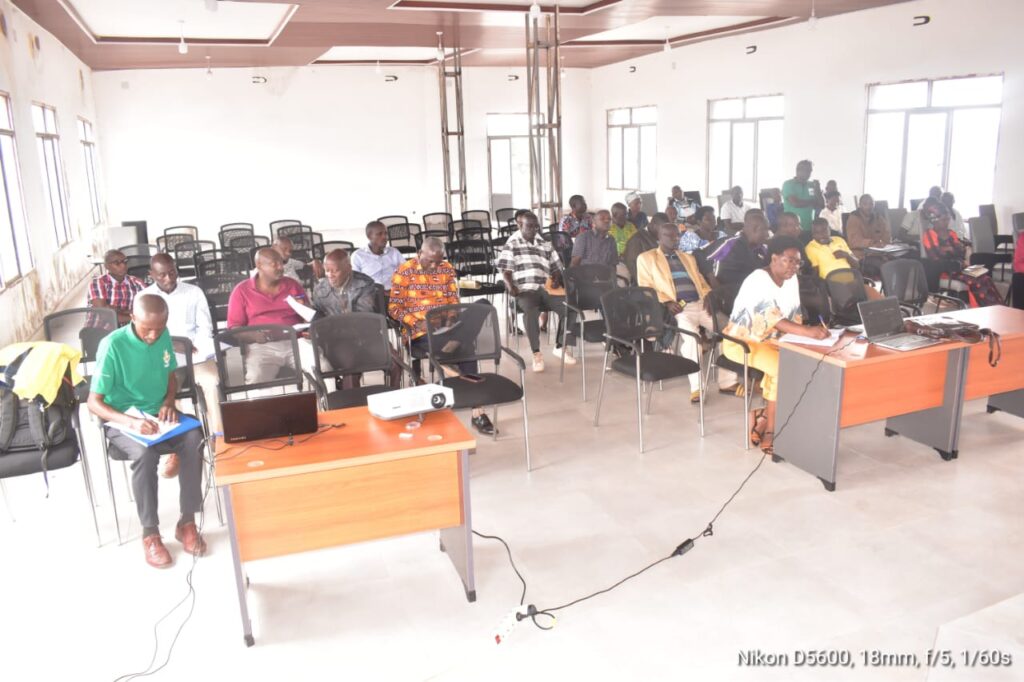
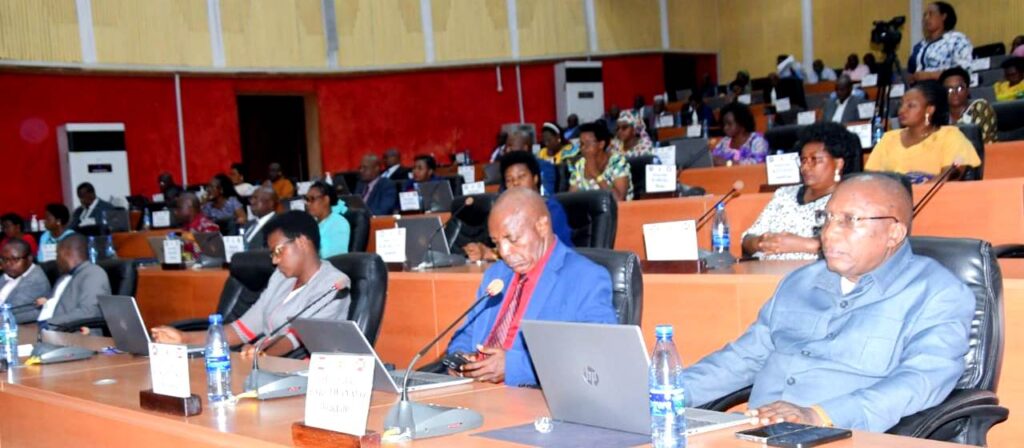
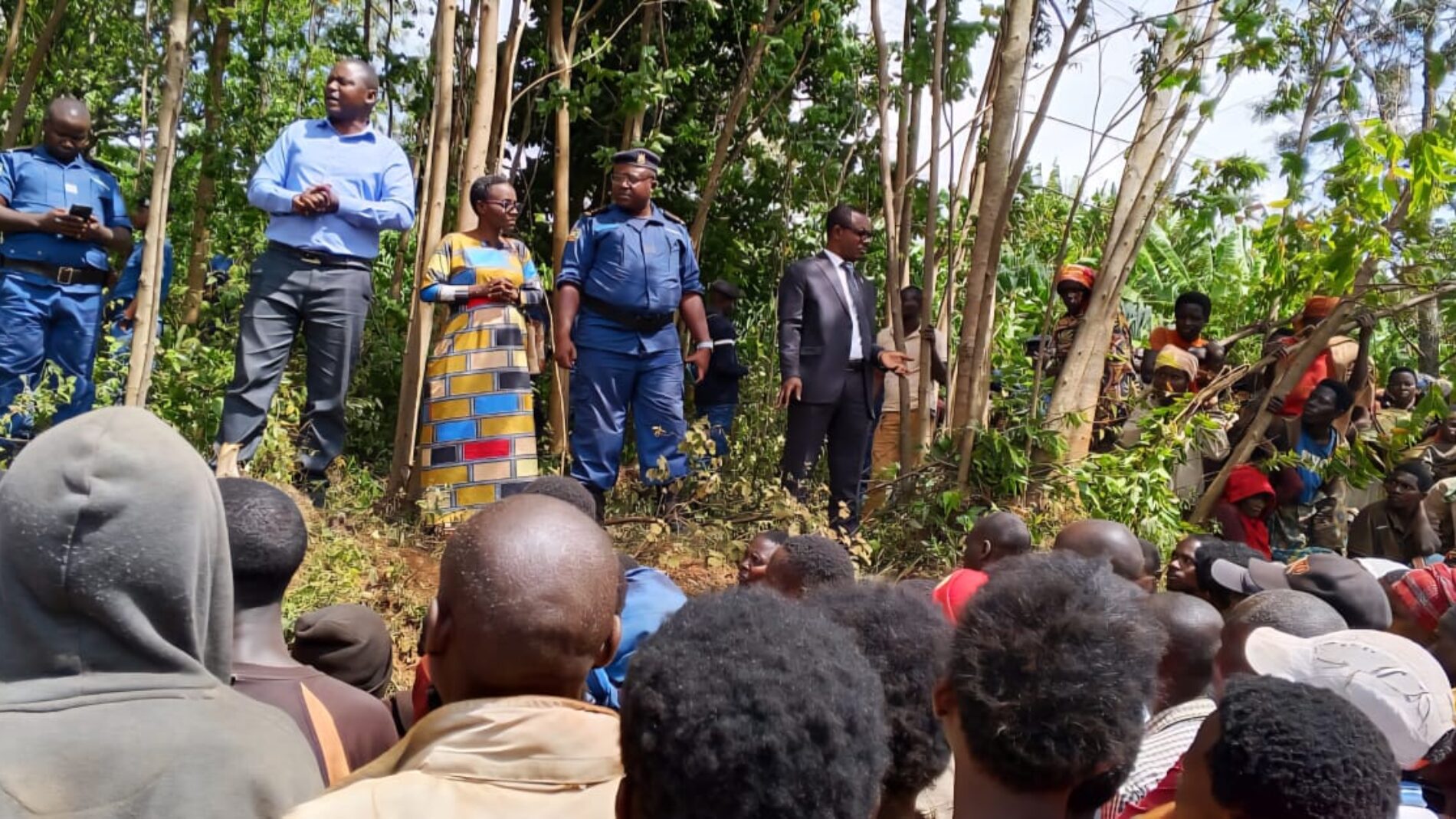
In response to the escalating violence and loss of life, the governor of Gitega province, Liboire Bigirimana, convened a key meeting with the inhabitants of the Murago and Muyange hills. This meeting aimed to address the community directly and restore a sense of order. Alongside Governor Bigirimana, other key officials participated in the discussions, showing the gravity of the situation. These officials included Jacques Nduwimana, the communal administrator of Gitega, who plays a vital role in local governance; Colonel Aloys Nduwayo, the regional police commissioner, representing law enforcement; and Aline Bukuru, the prosecutor general near the Gitega Court of Appeal, signifying the involvement of the judicial system. This gathering addressed the community in the aftermath of the recent violence, seeking to provide reassurance and outline the path forward.
During the meeting, authorities announced the initiation of investigations into both the armed robbery that led to one death and the subsequent lynching of the three suspects. These investigations aim to ascertain the full circumstances surrounding the incidents on Murago and Muyange hills, providing clarity on the sequence of events and identifying those responsible for each act of violence. The opening of these investigations signals a formal commitment by the Burundian government to thoroughly examine the tragic events. However, a local journalist reported that no arrests have been made in connection with the affair as of this time, raising questions about the immediate progress of the inquiries. The ongoing inquiries are expected to provide further details regarding the events and potentially lead to arrests and prosecutions.
Fragile Trust and Allegations
Local witnesses have come forward with serious claims, alleging that individuals presumed to be the perpetrators of the robbery, as well as some of the leaders involved in the subsequent lynching, are allegedly linked to the youth league of the ruling party, the CNDD-FDD. This powerful youth league is widely known as the Imbonerakure. These allegations from residents highlight underlying tensions in the area following the violent incidents on Murago and Muyange hills, suggesting a potential political dimension to the unrest and raising concerns about accountability.
The article notes that trust between the population, security forces, and judicial institutions in Burundi remains fragile. This assessment suggests a broader context of public skepticism towards official channels for justice and security, which may contribute to instances of vigilante action when citizens feel that formal systems are inadequate or compromised. The community's decision to take matters into their own hands shows this deep-seated distrust. The ongoing investigations into both the armed robbery and the lynchings will likely face intense scrutiny from a populace already wary of institutional responses, making transparency and thoroughness critical for restoring public confidence. The outcomes of these investigations are key not only for justice in this specific case but also for addressing the broader issues of security and public trust in Burundi.