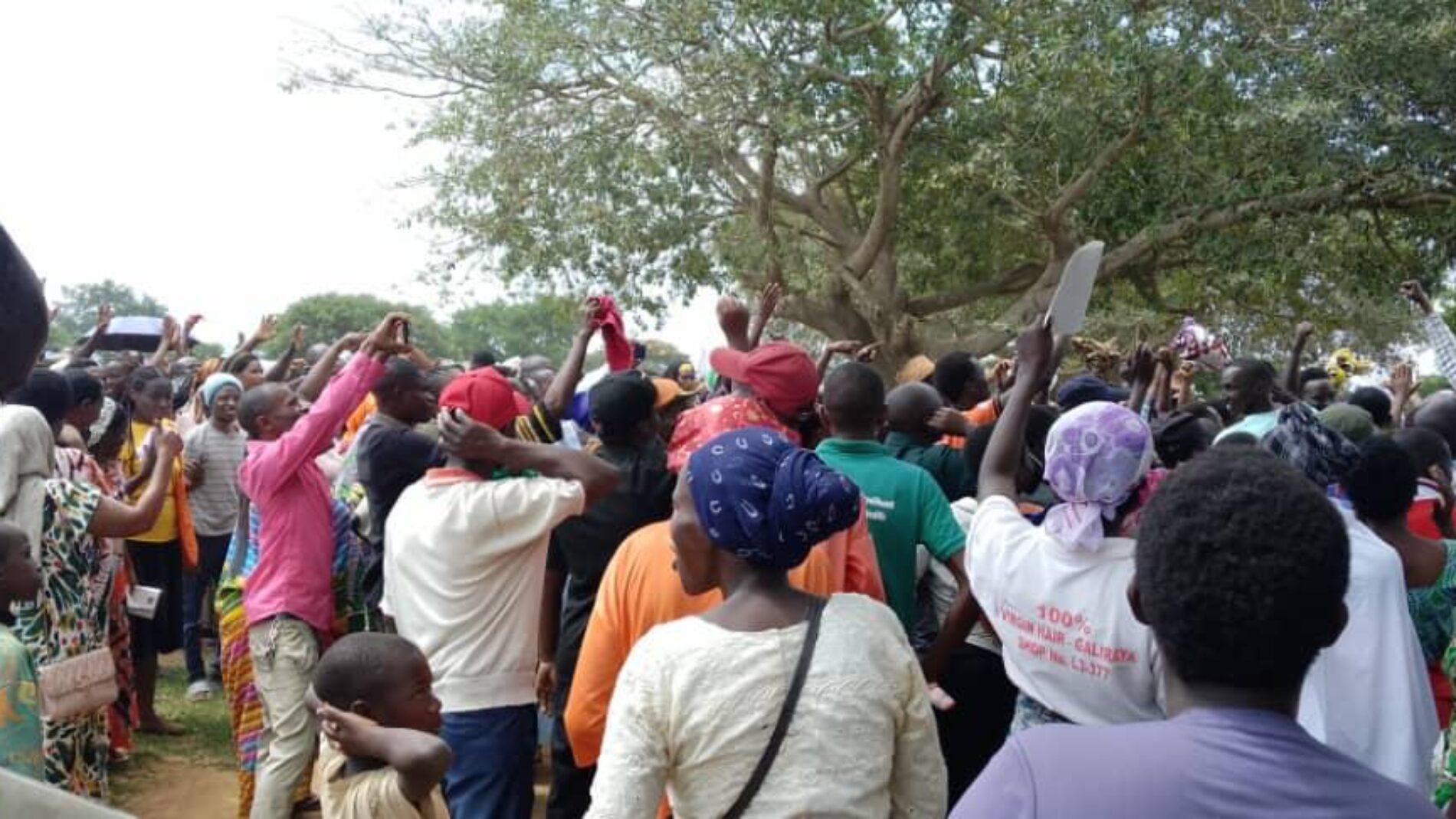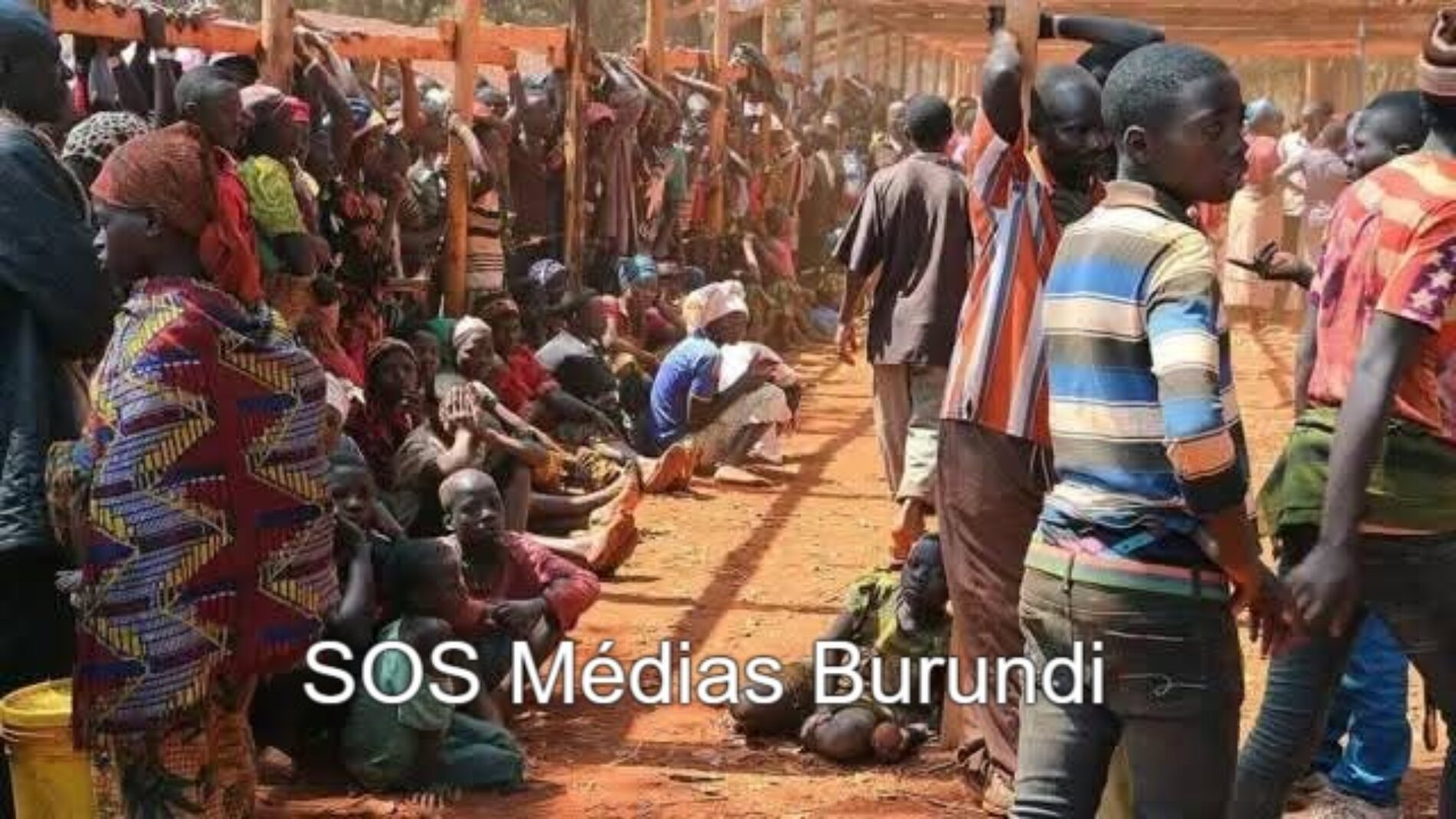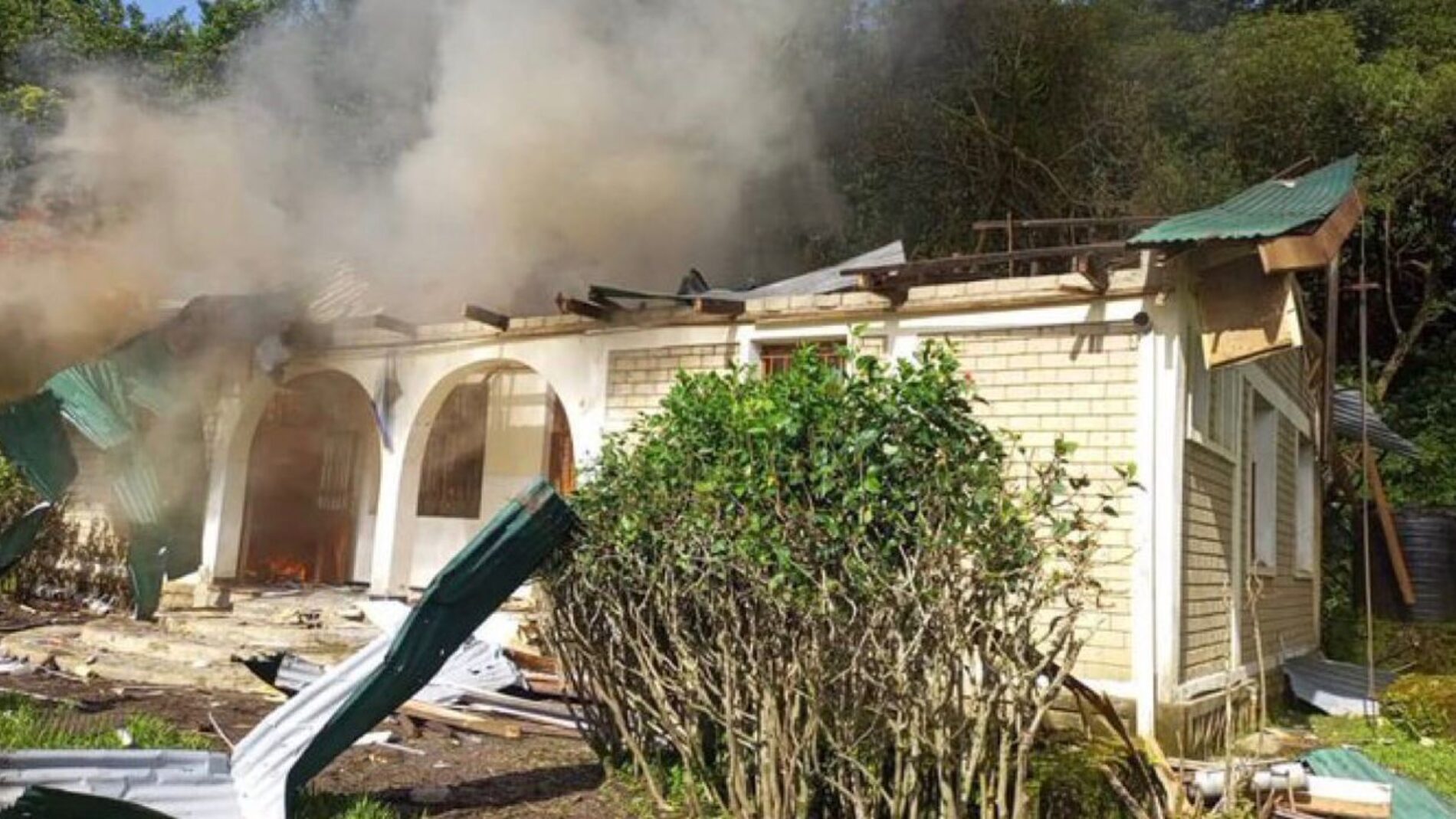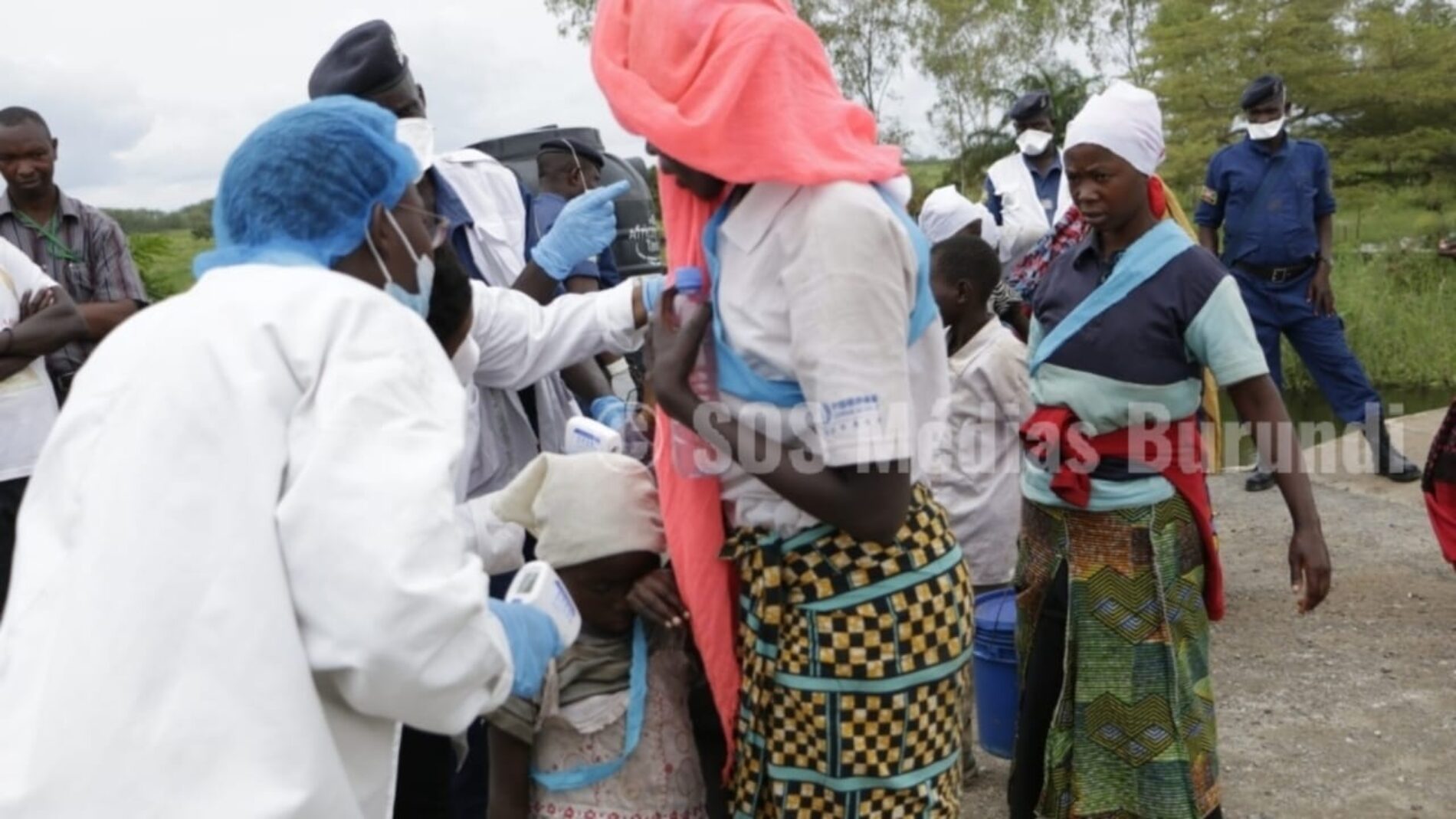
The closure of the Nduta camp in Tanzania is causing a significant movement of Burundian refugees towards several countries in the sub-region. Since the camp's official cessation on April 30, 2026, its infrastructure has been handed over to Tanzanian authorities, leading to a major displacement. This development has initiated an exodus of refugees seeking new asylum in neighboring nations, creating a complex humanitarian challenge across East Africa. The formal handover of the camp's infrastructure to Tanzanian authorities on April 30, 2026, marked the official end of its operations as a refugee settlement, directly contributing to this widespread displacement.
Chaotic Journeys to New Camps
Daily arrivals of Burundian refugees are now consistently reported at the Nakivale camp in Uganda, the Kakuma camp in Kenya, and the Mahama camp in Rwanda following the Nduta camp's closure. At Nakivale camp in Uganda, sources indicate the arrival of several hundred Burundians each week, a trend that has persisted for approximately one month. Refugees describe their journey as perilous, frequently marked by hunger, arrests, and clandestine crossings, noting the severe challenges faced by those seeking safety. These accounts paint a grim picture of the arduous routes taken by individuals and families, often with minimal resources and facing constant threats.
In Kenya, new arrivals at Kakuma camp are reportedly registered and receive food aid, according to local sources, offering a measure of immediate relief to those who reach this destination. However, arrivals at Mahama camp in Rwanda are documented as fewer, a situation attributed to strict border controls maintained by Rwandan authorities. Collected testimonies from refugees detail a journey qualified as a 'Via Dolorosa', characterized by clandestine border crossings, repeated arrests by authorities in various transit countries, and instances of forced returns to either Burundi, their country of origin, or Tanzania, from which they were attempting to flee. These harsh realities show the desperation driving their movements and the risks they undertake.
Humanitarian Concerns Mount
Thousands of refugees remain en route or blocked within Tanzania, with others having disappeared along their journeys, according to several testimonies. This significant number of individuals in transit or unaccounted for raises serious humanitarian concerns. Humanitarian actors are warning that the situation is becoming increasingly difficult to manage, given the scale of the displacement and the challenges in tracking and assisting those affected. The fluid nature of the movement, combined with the vulnerability of the refugees, strains the capacity of aid organizations and host nations alike.
Some refugees have accused the UNHCR and Tanzanian authorities of responsibility for the deterioration of their circumstances. These accusations cite decisions made under the tripartite agreement concerning voluntary repatriation, which was established between Tanzania, Burundi, and the UNHCR. Refugees contend that policies stemming from this agreement have inadvertently placed them in more precarious situations, forcing them into difficult choices and dangerous journeys rather than offering sustainable solutions for their protection and well-being.
Broader Refugee Context
The Nyarugusu camp, which continues to host Burundian refugees, is also slated for closure by July 31, 2026, according to official decisions. This impending closure adds another dimension to the regional refugee situation, signaling further potential displacement and increased pressure on neighboring countries. The closure of Nyarugusu will effectively remove another major settlement option for Burundian refugees in Tanzania, necessitating new arrangements for thousands more individuals.
Across the sub-region, nearly 200,000 Burundian refugees are currently dispersed in various countries. According to data released by the UNHCR, these include Uganda, Tanzania, Rwanda, the Democratic Republic of Congo (DRC), and Kenya. Additionally, a significant number of Burundian refugees are present in countries within the Southern African Development Community (SADC), particularly Zambia and Malawi. This broad distribution notes the regional impact of the Burundian refugee crisis and the interconnectedness of humanitarian challenges across national borders. The ongoing movements from Nduta, and the anticipated closure of Nyarugusu, show the urgent need for coordinated regional responses and strong international support to address the complex needs of these displaced populations.